

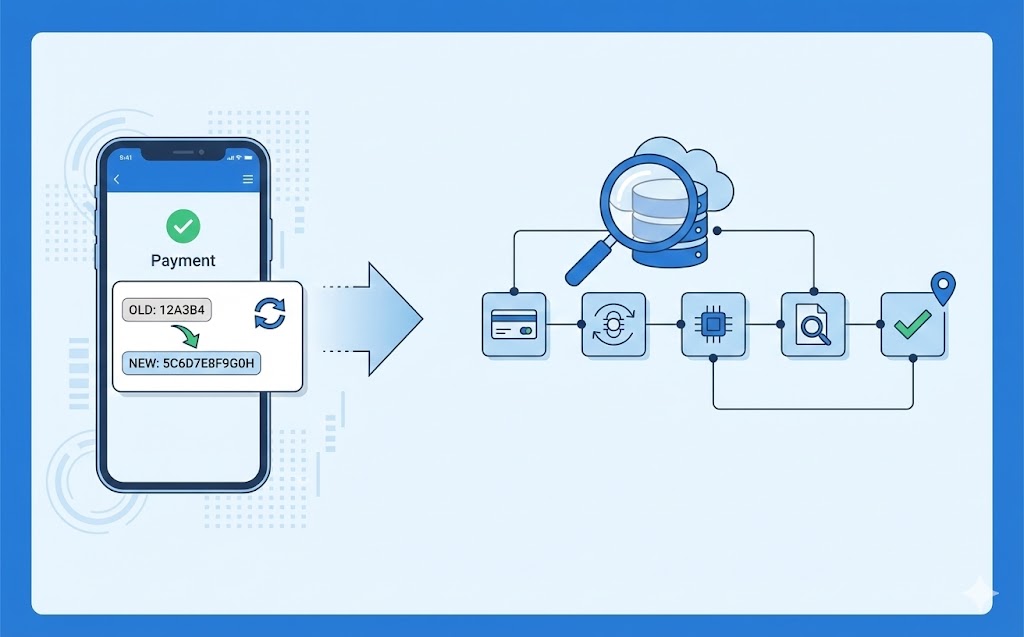
The recent update to UPI Transaction IDs introduces longer, more complex identifiers, enhancing the security and efficiency of digital payments. These unique IDs are crucial for tracking transactions, serving as proof of payment, and resolving issues like stuck payments. Users can easily find these updated IDs in their payment applications and bank statements. Understanding these changes helps ensure clearer payment tracking and a more reliable digital payment experience for everyone. Always double-check details for safe transactions.
Digital payments have become a common part of our daily lives, making it easier to pay for things, send money to friends, and manage our finances. Among the many ways we pay digitally, Unified Payments Interface (UPI) stands out as a popular and efficient method. Every time you make a payment using UPI, a special code is created to identify that specific transaction. This is called a UPI Transaction ID. Recently, there have been some changes to how these IDs look, and it’s helpful to understand what these updates mean for you and your payment tracking.
Understanding Your UPI Transaction ID
When you send money or pay for something online, it’s natural to want to know that your payment has gone through correctly and safely. This is where your UPI Transaction ID plays a crucial role.What Exactly Is a UPI Transaction ID?
Imagine you send a letter through the post. To make sure it reaches the right person, the postal service gives it a unique tracking number. A UPI Transaction ID is very much like that tracking number for your digital payment. It’s a special code, usually a mix of numbers and letters, that is created every single time you complete a transaction using a UPI-enabled application. This ID acts as a digital fingerprint for your payment, making it entirely unique from any other transaction ever made.Why These Unique Numbers Are So Important for Your Digital Payments
These unique IDs are incredibly important for several reasons. Firstly, they serve as your official proof of payment. If you ever need to confirm that you paid someone, or if a merchant asks for proof, your transaction ID is the key piece of information. Secondly, if there’s ever a problem with a payment – perhaps it gets stuck, or you accidentally send money to the wrong person – this ID helps your bank or payment service provider quickly find and investigate the specific transaction. Without it, finding your payment among millions of others would be like looking for a needle in a haystack. It ensures that every payment can be traced, making the system reliable and trustworthy.The Recent Change to UPI Transaction IDs
Digital payment systems are always being improved to make them faster, safer, and more efficient for everyone. The recent update to UPI Transaction IDs is part of this ongoing effort.What’s New with How UPI Transaction IDs Look?
You might have noticed that the transaction IDs now appear a little different from before. While they still consist of numbers and letters, they might seem a bit longer or more complex. This isn’t a major change to how you use UPI, but rather a subtle update to the structure of the ID itself. The core idea remains the same: each payment gets a unique identifier. This adjustment ensures that the system can continue to handle the ever-growing number of digital transactions with precision.Why Did This Update Happen?
These updates usually happen for good reasons, aiming to make your digital payment experience even better. One main reason for this change is to improve the overall security and efficiency of the payment network. As more and more people use digital payments, the system needs to be robust enough to handle a massive volume of transactions without any mix-ups. By making the IDs more complex and distinct, it helps the underlying payment systems to track each transaction more accurately. It also makes the system more secure, preparing it for future advancements and ensuring that your payments are handled with the highest level of care.How This Change Appears When You Make a Payment
When you make a payment using your preferred application, the process itself hasn’t changed. You will still enter the amount, select the recipient, and confirm the transaction as usual. Once your payment is successful, the updated transaction ID will be displayed on your screen, usually on the confirmation page. You will also find it in your transaction history within the application and often in the SMS confirmation you receive from your bank or payment service. So, while the ID might look a bit different, finding it and using it remains straightforward.Tracking Your Payments with the New ID
Understanding how to find and use your updated transaction ID is important for managing your digital payments effectively.Finding Your Updated Transaction ID
After a successful payment, the transaction ID is usually shown prominently on the confirmation screen of your payment application. It’s a good habit to quickly note it down or take a screenshot, especially for important payments. You can always find it again in the “History” or “Transactions” section of your payment application. Additionally, your bank will typically send you an SMS message or an email confirming the transaction, which will also include this unique ID. Looking at your bank statement online will also show you the transaction ID for each payment you’ve made.Using the New ID to Check Your Payment Status
If you ever need to check the status of a payment, perhaps to confirm it has reached the recipient, your transaction ID is your best friend. You can usually find a “check status” or “contact support” option within your payment application. When you reach out to customer support for your bank or payment service, providing this ID will allow them to quickly locate your specific transaction. This saves time and ensures that you get accurate information about your payment.What to Do if Your Payment Gets Stuck
Occasionally, a payment might get stuck, meaning the money has left your account but hasn’t reached the recipient. This can be a bit worrying, but having your transaction ID makes resolving such issues much easier. If this happens, keep calm and immediately contact the customer support of your bank or the payment application you used. When you explain the problem, they will ask for the transaction ID. This number is vital for them to trace the payment, understand where it got stuck, and help you resolve the issue, whether it means the payment eventually goes through or the money is returned to you.Keeping Your Digital Payments Safe and Sound
While the transaction ID helps with tracking and resolving issues, keeping your digital payments safe and sound requires a few more steps. Always ensure your phone is locked with a strong password or fingerprint. Be careful about sharing your personal details or payment information with anyone you don’t trust. The transaction ID itself is a piece of information that helps you track payments, but it’s not something you should share widely with unknown individuals. Always use official applications and websites for your payments.The Benefits of This Update for You
These updates to the UPI Transaction ID system are not just technical changes; they bring real benefits that make your digital payment experience smoother and more reliable.Making Payment Tracking Clearer and More Accurate
With the updated IDs, the system can distinguish between transactions with even greater precision. This means there’s less chance of confusion, especially when many payments are happening at the same time. For you, this translates into clearer payment records and more accurate tracking. If you need to reconcile your spending or confirm a payment, the unique and robust nature of the new IDs makes that process much more straightforward and reliable.Helping Digital Payment Systems Work Better
The changes also contribute to the overall health and efficiency of the digital payment ecosystem. By making the transaction IDs more advanced, the systems that process these payments behind the scenes can work more smoothly. This can lead to faster transaction processing times and fewer errors. Ultimately, a more efficient system means a better and more dependable experience for everyone who uses digital payments.Improving the Security of Your Online Transactions
Enhanced transaction IDs contribute to the security framework of digital payments. More complex and unique identifiers can make it harder for any unauthorised attempts or errors to occur within the system. While security also relies on many other layers, such as encryption and strong authentication, this update adds another layer of robustness. It helps ensure that each payment is uniquely identified and securely processed, giving you greater confidence when you make online transactions.What You Should Always Remember
Navigating the world of digital payments is mostly easy, but it’s always good to keep a few key things in mind to ensure everything goes smoothly.Always Double-Check Your Payment Details
Before you hit that ‘send’ or ‘pay’ button, take an extra moment to double-check everything. Make sure the amount is correct, and, most importantly, confirm that you are sending money to the right person or business. A simple mistake here can be difficult to fix, even with a transaction ID. Taking a few seconds to verify these details can save you a lot of trouble later on.Knowing Where to Find Help if You Need It
It’s reassuring to know that help is always available if you encounter any issues. If you have a problem with a UPI payment, your first point of contact should be the customer support of the payment application you used. They are equipped to help you with transaction-related queries. If the issue persists or is related to your bank account, then contacting your bank’s customer service directly is the next step. Always use official contact numbers and websites to ensure you are speaking to genuine support staff.Staying Informed About Digital Payment News
The world of digital payments is constantly evolving, with new features, security updates, and improvements being introduced regularly. Staying informed about these changes, especially from official sources like the National Payments Corporation of India (NPCI) or the Reserve Bank of India (RBI), is a wise move. This helps you understand how these systems work, how to use them safely, and how to take advantage of any new benefits. Being knowledgeable ensures you can use digital payments confidently and effectively.Author

FAQs
What is a transaction ID?
It is a unique code, made of numbers and letters, created every time you make a payment using a digital payment application. It works like a tracking number for your payment.
Why is the transaction ID important?
It acts as your proof of payment. If there's a problem, this ID helps your bank or payment service find and investigate your payment quickly.
What has changed about how transaction IDs look?
They might now appear a bit longer or more complex, but they still use numbers and letters. Each payment still gets a unique code.
Why were the transaction IDs updated?
The updates help to make the payment network more secure and efficient. They allow the system to handle many transactions accurately and prepare for future improvements.
How do I see the new transaction ID?
The updated ID will be shown on your screen after a successful payment, usually on the confirmation page. You will also find it in your application's history and often in bank messages.
Where can I find my transaction ID?
You can usually find it on the confirmation screen of your payment application, in the "History" section, in an SMS or email from your bank, or on your online bank statement.
What should I do if my payment gets stuck?
If your payment gets stuck, contact the customer support of your bank or the payment application you used straight away. Give them your transaction ID so they can help trace it.
How can the new transaction IDs help me?
The updated IDs make tracking your payments clearer and more accurate. They also help the digital payment systems work better and improve the security of your online transactions.
