

In India, digital payment transactions have seen an incredible surge, crossing billions monthly in recent years, demonstrating a powerful shift away from traditional cash. This rapid adoption highlights how quickly people and businesses are embracing new ways to manage their money and make purchases. The ease and speed of these transactions are fundamentally changing how daily financial activities are conducted across the nation.
This widespread acceptance points towards a significant change in people’s habits, moving towards a more cashless society. We’re seeing a new “scan and pay” culture emerge, where quick, digital transactions are becoming the norm for everything from roadside vendors to large retail stores. This article explores what this cultural shift means and examines the role of companies like Paytm in making these changes happen.
What Is Scan And Pay Culture?
Scan and pay culture refers to the widespread habit of using your mobile phone to complete payments by simply scanning a special code. Instead of handing over physical money or swiping a card, you use an app on your smartphone to instantly transfer funds. It’s a modern, quick, and often more convenient way to pay for goods and services in your daily life.
Understanding Digital Transactions
Digital transactions are simply exchanges of money that happen electronically, without any physical cash changing hands. Think about paying for your electricity bill online, buying groceries using an app, or even sending money to a friend through your phone. These are all examples of digital transactions, making financial activities faster and often easier to track than traditional methods. They’ve become an essential part of modern life, helping people manage their finances with greater ease and efficiency.
How Quick Payments Work
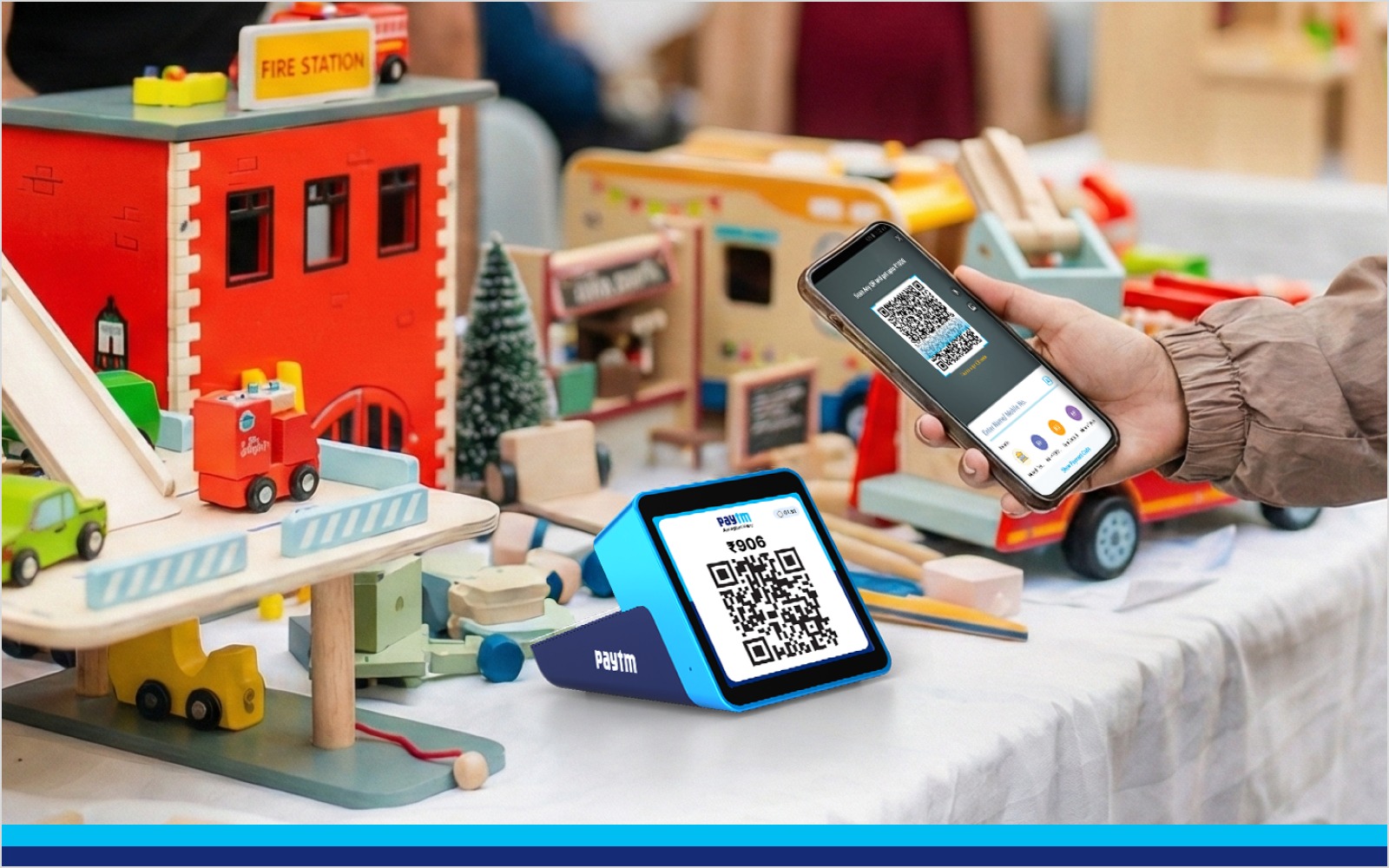
Quick payments, especially those using the scan and pay method, rely on clever technology to make transactions almost instant. Here’s how it generally works: a shop or service provider displays a unique code, often called a QR code. You then open a payment app on your smartphone, select the “scan and pay” option, and point your phone’s camera at the code. The app instantly recognises the merchant’s details. You then enter the amount you need to pay and confirm the transaction, usually with a PIN or fingerprint. The money moves from your bank account directly to the merchant’s, often through systems like the Unified Payments Interface (UPI), within seconds.
Why People Choose This
People are increasingly choosing scan and pay for many good reasons. Firstly, it’s incredibly fast; you don’t have to count change or wait for a card machine. Secondly, it’s very convenient, as you almost always have your phone with you, making it easier than carrying a wallet full of cash. It also offers a cleaner, more hygienic way to pay, as there’s no physical contact with money. For businesses, every transaction is recorded digitally, which helps with accounting and tracking sales.
Imagine Sunita, a busy vegetable vendor in Bengaluru. Before scan and pay, she’d spend precious minutes counting out change for each customer, especially during peak hours. Now, customers simply scan her code, enter the amount, and she gets an instant confirmation. This saves her time, reduces errors, and allows her to serve more customers quickly, making her daily routine much smoother.
The Growth Of Digital Payments In India
India has witnessed an extraordinary boom in digital payments, transforming how transactions are conducted across cities and villages. What was once a niche option for tech-savvy individuals has now become a mainstream method for millions. This growth isn’t just about convenience; it’s about reshaping the economic landscape and bringing more people into the formal financial system.
What Are These Payments?
Digital payments cover a broad range of electronic transactions. This includes paying for your online shopping, settling utility bills through an app, topping up your mobile phone, or making small purchases at your local corner shop using a QR code. Essentially, any transaction where money moves from one account to another without physical cash is a digital payment. They are designed to be fast, secure, and accessible, catering to the diverse needs of a modern economy.
Benefits For You
Embracing digital payments brings several clear benefits directly to you. Firstly, there’s the unmatched convenience; you can pay for almost anything, anywhere, anytime, using just your phone. Secondly, it offers enhanced security because you don’t need to carry large amounts of cash, reducing the risk of theft or loss. Thirdly, every digital transaction leaves a clear record, which can be incredibly helpful for managing your budget, tracking expenses, and even for tax purposes.
Pro Tip: Always check your transaction history in your payment app regularly. This helps you keep track of your spending and quickly spot any unauthorised transactions, giving you better control over your money.
Government’s Important Push
The Indian government has played a crucial role in accelerating the adoption of digital payments. Through various initiatives and policies, it has actively encouraged citizens and businesses to move towards a cashless economy. Efforts like promoting the Unified Payments Interface (UPI) and making digital infrastructure widely available have been key. These government pushes have created a supportive environment, making it easier and more appealing for everyone to embrace digital ways of paying, driving financial inclusion across the country.
How Do QR Codes Make Payments Easy?
QR codes have become a familiar sight everywhere, from tiny tea stalls to large supermarkets. These simple black and white squares are at the heart of the scan and pay revolution, making digital transactions incredibly straightforward for everyone. They remove the need for complex account numbers or card details, simplifying the entire payment process.
What A QR Code Is
A QR code, which stands for “Quick Response” code, is essentially a type of barcode that can store a lot of information. Unlike traditional barcodes that are read in one direction, QR codes are two-dimensional, meaning they can be read both horizontally and vertically. This allows them to hold more data, such as website links, contact details, or, in the case of payments, the merchant’s bank account information. Your smartphone camera can easily scan and decode this information in an instant.
Simple Steps To Pay
Paying with a QR code is designed to be incredibly simple, making it accessible even for those new to digital transactions. Here are the usual steps:
- Open your payment app: Launch your preferred payment application on your smartphone.
- Select “Scan”: Look for the “scan” or “scan QR” option within the app. This will usually activate your phone’s camera.
- Point and scan: Aim your phone’s camera at the merchant’s QR code. The app will automatically read the code and display the merchant’s name.
- Enter amount: Carefully enter the exact amount you need to pay.
- Confirm: Review the details (merchant name, amount) and then confirm the payment, often by entering your PIN or using biometric authentication like a fingerprint.
- Receive confirmation: Both you and the merchant will receive an instant notification that the payment was successful.
Common Confusion: Sometimes, a QR code scan might seem to fail, leading to confusion. Often, this isn’t a system error but simply due to poor lighting, a blurry camera lens, or holding the phone too close or too far from the code. Try adjusting your position or cleaning your camera lens before assuming a technical issue.
Keeping Your Money Safe
While QR code payments are convenient, keeping your money safe is always important. Payment apps use strong encryption to protect your transaction details, meaning your information is scrambled and unreadable to others. You’ll also typically need to enter a Personal Identification Number (PIN) or use your fingerprint for every transaction, adding an extra layer of security. Always ensure you’re scanning a legitimate merchant’s code and double-check the merchant’s name and amount before confirming any payment. Staying vigilant is your best defence against potential fraud.
Paytm’s Contribution To Mobile Payments
The landscape of digital payments in India wouldn’t be the same without the significant influence of companies like Paytm. From its early days, the company has been at the forefront of making mobile payments a reality for millions, playing a pivotal role in shaping the nation’s digital payment habits. Its widespread presence and continuous innovation have helped embed scan and pay into the fabric of daily life.
The Company’s Beginnings
Paytm emerged at a time when digital payments were still a relatively new concept for the average Indian. It started with a focus on mobile recharges and bill payments, quickly establishing itself as a reliable platform for these essential services. This early specialisation allowed it to build a strong user base and gain trust, laying the groundwork for its expansion into a full-fledged payment ecosystem. Its initial success demonstrated a clear demand for simpler, more accessible digital financial tools.
Making Payments Accessible
One of Paytm’s most significant contributions has been its commitment to making digital payments accessible to a broad audience, including those who were less familiar with technology. It simplified the process of setting up accounts and making transactions, removing many of the barriers that might have prevented people from adopting digital methods. By focusing on a user-friendly experience, it helped demystify digital finance for countless individuals and small businesses.
Reaching Many People
The company successfully reached a vast number of people by tailoring its services to the diverse needs of the Indian market. It didn’t just target urban populations; it actively expanded its reach into smaller towns and rural areas, ensuring that the benefits of digital payments were available everywhere. This widespread adoption was also driven by its ability to integrate with various services, making it a versatile tool for everyday transactions.
Consider Ramesh, a small tea stall owner in a bustling market. A few years ago, his business was entirely cash-based. When Paytm introduced its QR codes, Ramesh was initially hesitant. However, seeing his customers increasingly prefer digital payments, he decided to give it a try. Now, a simple QR code displayed on his stall allows customers to pay instantly with their phones, boosting his sales and making transactions quicker. Ramesh often says, “It’s like having a bank in my pocket, but easier.”
Driving Payment Innovations
Paytm has consistently driven innovation in the payment space, introducing features that have significantly enhanced the user experience and security. From offering instant audio confirmations for merchants to developing seamless ways for users to link their bank accounts, its focus has always been on making digital payments smoother and more reliable. These innovations have not only benefited its own users but have also pushed the entire industry to evolve and improve.
How Do We Measure A Habit Shift?
Understanding whether a “scan and pay” culture has truly taken root involves looking beyond just the number of transactions. It’s about observing fundamental changes in how people behave and prefer to conduct their financial activities. A genuine habit shift means that digital payments are no longer just an alternative but have become the preferred, almost automatic, choice for many.
What “Habit Shift” Means
A “habit shift” means a fundamental change in people’s usual way of doing something. In the context of payments, it means moving away from automatically reaching for cash or a card, and instead, instinctively choosing to pay with your phone by scanning a code. It’s when the new method becomes the default, comfortable, and preferred way, rather than just an occasional option. This shift reflects a deeper integration of digital payments into daily routines.
Signs Of Changing Behaviour
There are several clear signs that indicate a habit shift is occurring. You’ll notice more people, across all age groups, using their phones to pay at various places – from small street vendors to large supermarkets. Businesses, too, are actively encouraging digital payments by displaying QR codes prominently and even offering incentives. When people begin to feel uncomfortable or inconvenienced by situations that only accept cash, that’s a strong indicator that a new habit has formed.
Quick Context: A strong indicator of a habit shift in payments is when people start leaving their homes with less cash, or even no cash at all, feeling confident that they can manage all their purchases digitally. This shows a deep trust and reliance on the new payment methods.
Looking At Payment Numbers
Beyond observable behaviour, actual payment numbers provide concrete evidence of a habit shift. We look at:
- Transaction Volume: How many digital transactions are happening each day, month, and year? A steadily increasing number indicates growing adoption.
- User Growth: How many new users are signing up for digital payment apps? This shows expanding reach.
- Merchant Adoption: How many businesses, especially small and medium ones, are now accepting digital payments? Widespread acceptance is key.
- Average Transaction Value: While not always a direct indicator of habit, changes here can reflect how people use digital payments for different types of purchases.
Here’s a quick comparison to illustrate the shift:
| Feature | Old Way of Payments (Cash) | New Way of Payments (Scan & Pay) |
| Speed | Can be slow (counting change) | Instant |
| Convenience | Requires carrying physical money | Only needs your phone |
| Security | Risk of loss/theft of cash | Secured by PINs, encryption; less physical risk |
| Record Keeping | Manual tracking needed | Automatic digital records |
| Accessibility | Limited by cash availability/ATM proximity | Available anywhere with network and QR code |
| Hygiene | Handling physical currency | Contactless |
Your Role In The Digital Payment Journey
You are not just a passive observer in this digital payment revolution; you are an active participant. Every time you choose to scan and pay, you contribute to the growth and normalisation of this new culture. Your choices help shape the future of how money moves, making it more efficient and inclusive for everyone.
Convenience In Daily Life
Digital payments bring unparalleled convenience directly into your daily life. Imagine you’re at a local market, buying fresh produce. Instead of fumbling for change, you can simply scan a QR code and pay instantly. Or perhaps you’re splitting a bill with friends at a restaurant; a quick transfer on your phone resolves it in seconds. This ease extends to paying for transport, refuelling your vehicle, or even donating to a charity. Your phone becomes your personal payment assistant, simplifying countless everyday tasks.
Protecting Your Money
While digital payments offer great convenience, protecting your money remains your responsibility. Always use strong, unique PINs for your payment apps and never share them with anyone. Be cautious of suspicious links or messages that ask for your personal or payment details. Always double-check the merchant’s name and the amount before confirming a transaction. Regularly reviewing your transaction history helps you spot any unusual activity quickly. By being vigilant, you can enjoy the benefits of digital payments securely.
Including Everyone Financially
Your participation in digital payments also plays a vital role in financial inclusion. When you use scan and pay, you support businesses, especially small ones, that might not have traditional card machines. This allows them to participate more easily in the digital economy. Furthermore, as more people adopt digital methods, it encourages a wider financial ecosystem that can serve everyone, including those who previously had limited access to banking services. You’re helping build a more connected and equitable financial future for all.
The Future Of Scan And Pay
The journey of scan and pay is far from over; it’s an evolving landscape with exciting possibilities ahead. As technology advances and user habits solidify, we can expect even more seamless, secure, and integrated payment experiences. The future promises a world where digital transactions are even more embedded into our daily lives, making financial interactions almost invisible.
What Comes Next
The future of scan and pay will likely see an even deeper integration into our lives. We might see more innovative ways to pay, perhaps through voice commands or even by simply walking out of a store with items, where payment happens automatically. Expect more personalised experiences, where payment apps understand your spending habits and offer tailored insights or rewards. The goal is to make payments so effortless that you barely notice them happening, freeing up your time for more important things.
New Payment Technologies
Beyond QR codes, new payment technologies are constantly emerging to enhance the scan and pay experience. We’re already seeing the rise of contactless payments using Near Field Communication (NFC), where you simply tap your phone or card. Biometric authentication, like fingerprint or facial recognition, is becoming more common for confirming payments, adding an extra layer of security and convenience. Voice-activated payments are also gaining traction, allowing you to complete transactions with simple spoken commands. These innovations aim to make payments even faster, safer, and more intuitive.
Staying Secure Online
As payment technologies evolve, so does the importance of staying secure online. Future systems will incorporate even more advanced security features, such as artificial intelligence to detect fraudulent activities in real-time. However, user awareness will always be critical. You’ll need to remain educated about new threats and best practices for protecting your digital identity and financial information. Governments and payment providers will continue to work together to build robust, secure infrastructures, but your active participation in maintaining personal security remains paramount.
Conclusion
Understanding Scan & Pay Culture – Is Paytm Leading the Habit Shift? can help you make informed decisions. By following the guidelines outlined above, you can navigate this topic confidently.
How does scan and pay work for everyday purchases?
What are the key differences between traditional cash and scan and pay transactions?
How can I troubleshoot if my QR code payment fails to scan or process?
Why is adopting scan and pay beneficial for both individuals and small businesses in India?
Is paying with QR codes a secure method, and what measures are in place to protect my money?
What role has the Indian government played in accelerating the shift towards digital payments like scan and pay?
What if I want to track my expenses effectively; is scan and pay better than cash for this?
Beyond QR codes, what new payment technologies can we expect to see integrated into the scan and pay experience in the future?
Author

