

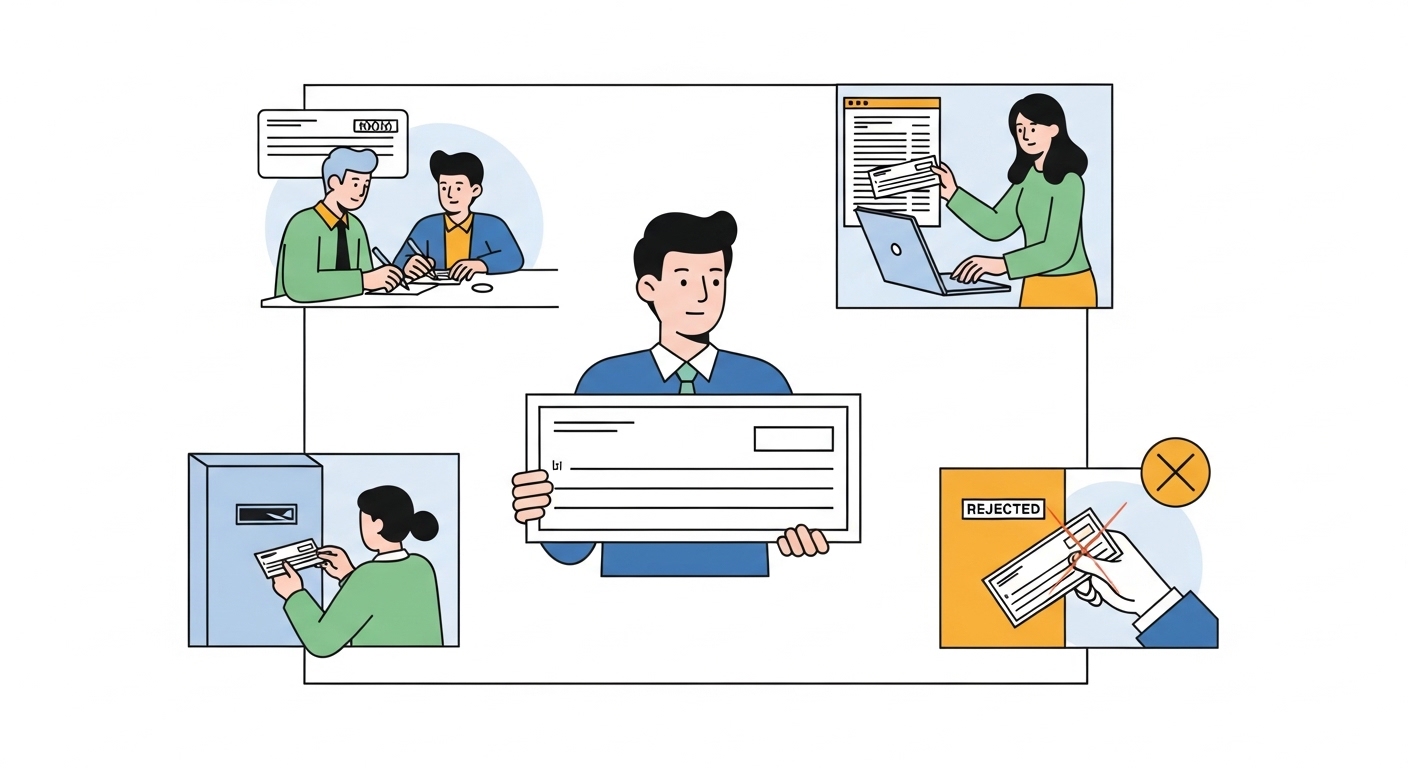
Your financial health is a crucial part of your future, and understanding your CIBIL report is a key step in managing it well. This report acts as a detailed record of your borrowing and rePayment History. By learning how to read it, especially parts like ‘Days Past Due’ (DPD) and ‘Write-Off’ status, you can make informed decisions that protect your financial well-being. This guide will help you understand these important terms and how they affect your ability to borrow money in the future.
What is a CIBIL Report and Why It Matters
What Your CIBIL Report Is
A CIBIL report, also known as a Credit Information Report (CIR), is like a financial report card that shows how you have managed borrowed money over time. It contains all your credit accounts, such as loans (home, car, personal) and credit cards, along with your payment history for each. This report is put together by credit bureaus, like CIBIL, which are regulated by the Reserve Bank of India (RBI). They collect information from banks and other lending institutions.
Why Your CIBIL Report is Important for Your Future
Your CIBIL report is incredibly important because it tells lenders how responsible you are with money. When you apply for a new loan or a credit card, banks and other financial companies will look at this report. A good report shows that you pay your debts on time, which makes lenders more likely to approve your applications. It can also help you get better interest rates, meaning you pay less money back in total.
Who Uses Your CIBIL Report
Many different organisations use your CIBIL report to make decisions. These include:
- Banks and Non-Banking Financial Companies (NBFCs): They use it to decide whether to give you a loan or a credit card, and what interest rate to offer.
- Housing Finance Companies: For home loans.
- Vehicle Finance Companies: For car or two-wheeler loans.
- You, the Individual: It is wise for you to check your own report regularly to ensure all information is correct and to understand your financial standing.
Your CIBIL Score Explained
What Your CIBIL Score Represents
Your CIBIL score is a three-digit number, usually ranging from 300 to 900, that summarises the information in your CIBIL report. It is a quick way for lenders to judge your creditworthiness. A higher score means you are seen as a more reliable borrower, while a lower score suggests you might be a higher risk. Most lenders prefer to see a score of 750 or above.
How Your CIBIL Score is Calculated
Many factors contribute to your CIBIL score. The most important ones include:
- Payment History: Whether you pay your loan instalments and credit card bills on time. This is the biggest factor.
- Amount Owed: How much money you currently owe across all your loans and credit cards.
- Length of Credit History: How long you have been using credit.
- New Credit: How often you apply for new loans or credit cards.
- Types of Credit: Having a healthy mix of different types of loans (e.g., a home loan and a credit card) can be beneficial.
The Benefits of a Good CIBIL Score
Having a strong CIBIL score offers several advantages:
- Easier Loan Approvals: Lenders are more likely to approve your applications for various loans and credit cards.
- Better Interest Rates: You may qualify for lower interest rates, saving you money over the life of the loan.
- Higher Credit Limits: Banks might offer you higher credit limits on your credit cards.
- Faster Processing: Applications with a good CIBIL score often get processed more quickly.
Understanding Days Past Due (DPD)
What DPD Means on Your Report
DPD stands for “Days Past Due.” It indicates how many days you have been late in making a payment for a loan instalment or a credit card bill. For example, if your report shows “DPD 030,” it means you were 30 days late in paying that particular instalment. “DPD 000” means you paid on time.
How DPD Shows Up in Your CIBIL Report
In your CIBIL report, DPD information is usually listed month-by-month for each of your loan accounts and credit cards. You will see a series of numbers under each account, showing your payment status for each month. This detailed view allows lenders to see your payment behaviour over time.
The Effect of DPD on Your CIBIL Score
Even a single instance of DPD can negatively affect your CIBIL score. The longer the DPD period (e.g., 60 days late compared to 30 days late), the more severe the impact. Consistent DPDs show lenders that you may struggle to manage your repayments, making them hesitant to lend you money in the future.
Steps to Resolve DPD Issues
If you find DPDs on your report, it is important to act quickly:
- Pay Outstanding Dues Immediately: Clear any missed payments as soon as possible.
- Contact Your Lender: If you anticipate difficulty in making a payment, speak to your bank or lender beforehand. They might offer solutions or a payment plan.
- Set Up Reminders: Use automatic payment reminders or set up direct debits to ensure you never miss a due date.
- Review Your Budget: Ensure your monthly income can comfortably cover your loan repayments.
What “Write-Off” Status Means
Defining a Loan Write-Off
A loan “write-off” is a serious status on your CIBIL report. It means that the lender has given up on actively trying to recover the money you owe because they believe it is unlikely to be paid back. While the loan is removed from the lender’s active books, it is crucial to understand that the debt itself is not forgiven; you still legally owe the money.
Reasons Why a Loan Becomes a Write-Off
Lenders typically write off a loan after a prolonged period of non-payment and when all their efforts to recover the debt have failed. Common reasons include:
- Long-Term Non-Payment: If a borrower has not made any payments for a very long time, often 180 days or more (meaning DPD 180+).
- Untraceable Borrower: When the borrower cannot be contacted or located.
- Exhausted Recovery Efforts: The lender has tried various methods, such as reminders, collection agents, and legal notices, without success.
The Serious Impact of a Write-Off on Your CIBIL Report
A written-off loan has a profoundly negative impact on your CIBIL report and score. It signals to all future lenders that you are a very high-risk borrower.
- Severely Damaged CIBIL Score: Your score will drop significantly, making it extremely difficult to get any new loans or credit cards.
- Stays on Report for Years: A write-off status remains on your CIBIL report for up to 7 years from the date it was written off, affecting your financial opportunities during this period.
- High-Risk Label: You will be seen as an unreliable borrower by virtually all financial institutions.
What to Do if Your Loan is Written Off
If you find that one of your loans has been written off, take these steps:
- Contact the Lender: Get in touch with the original lender to understand the exact outstanding amount.
- Negotiate a Settlement: Try to negotiate a partial or full settlement of the debt. Even settling for a lower amount is better than leaving it as a “written-off” status, as a “settled” status, while still negative, is generally viewed slightly less severely.
- Seek Professional Advice: Consider speaking to a financial advisor or credit counsellor for guidance on how to manage the situation and improve your financial standing over time.
- Remember the Debt Remains: Even if written off, the debt still exists, and the lender may pursue legal action to recover it.
How to Access and Review Your CIBIL Report
Simple Steps to Get Your CIBIL Report
You are entitled to one free full CIBIL report each year. Here is how you can get it:
- Visit the Official CIBIL Website: Go to the official website of TransUnion CIBIL.
- Fill in Your Details: Provide your personal information, such as your name, date of birth, PAN card number, and address.
- Verify Your Identity: You will usually need to answer some questions related to your credit history or verify through an OTP sent to your registered mobile number/email.
- Download Your Report: Once verified, you can download your complete CIBIL report.
Key Things to Check in Your Report
When you receive your CIBIL report, carefully review it for accuracy:
- Personal Details: Ensure your name, date of birth, address, and identification numbers (PAN, Aadhaar) are correct.
- Account Information: Check all listed loans and credit cards. Are they all yours? Are the loan amounts and repayment statuses correct?
- Payment History: Look for any DPDs or “written-off” statuses. Verify if these are accurate.
- Enquiries: See who has accessed your report. These should only be lenders you have applied to.
Correcting Mistakes on Your CIBIL Report
If you find any errors in your CIBIL report, it is crucial to get them corrected immediately:
- Raise a Dispute: You can raise a dispute directly on the CIBIL website.
- Provide Evidence: Clearly explain the mistake and provide any supporting documents you have (e.g., payment receipts, bank statements).
- CIBIL Investigation: CIBIL will then investigate the matter with the respective lender.
- Update: Once the error is confirmed, your report will be updated. This process can take a few weeks. Correcting errors can significantly improve your CIBIL score.
Building and Maintaining a Healthy CIBIL Profile
Good Habits for a Strong CIBIL Score
Cultivating good financial habits is the best way to build and maintain a healthy CIBIL profile:
- Always Pay On Time: Make sure all your loan instalments and credit card bills are paid by their due dates.
- Keep Credit Utilisation Low: Try not to use up your entire credit card limit. Using less than 30% of your available credit is generally recommended.
- Maintain a Mix of Credit: Having a balanced mix of secured loans (like home or car loans) and unsecured loans (like personal loans or credit cards) can be positive.
- Avoid Too Many New Applications: Applying for many loans or credit cards in a short period can lower your score.
Why Paying Your Dues On Time is Crucial
Paying your dues on time is the single most important factor in maintaining a strong CIBIL score. It demonstrates financial discipline and reliability to lenders. Consistent on-time payments prevent DPDs and the severe consequences of a loan write-off, ensuring your access to future credit remains open.
Smart Ways to Manage Your Borrowings
- Create a Realistic Budget: Understand your income and expenses to ensure you can comfortably afford your loan repayments.
- Set Up Auto-Debit: Automate your payments for loans and bills to avoid missing due dates.
- Borrow Responsibly: Only take on debt that you are confident you can repay without strain.
- Regularly Monitor Your Report: Check your CIBIL report at least once a year to catch any errors or issues early.
Taking Charge of Your Financial Well-being
Understanding your CIBIL report, including the meanings of DPD and “write-off” status, is a vital step in managing your financial future. By being proactive, paying your dues on time, and regularly reviewing your report, you can build a strong CIBIL profile. This will not only make it easier to access financial services when you need them but also open doors to better terms and opportunities, ultimately putting you in charge of your financial well-being.
Author

