

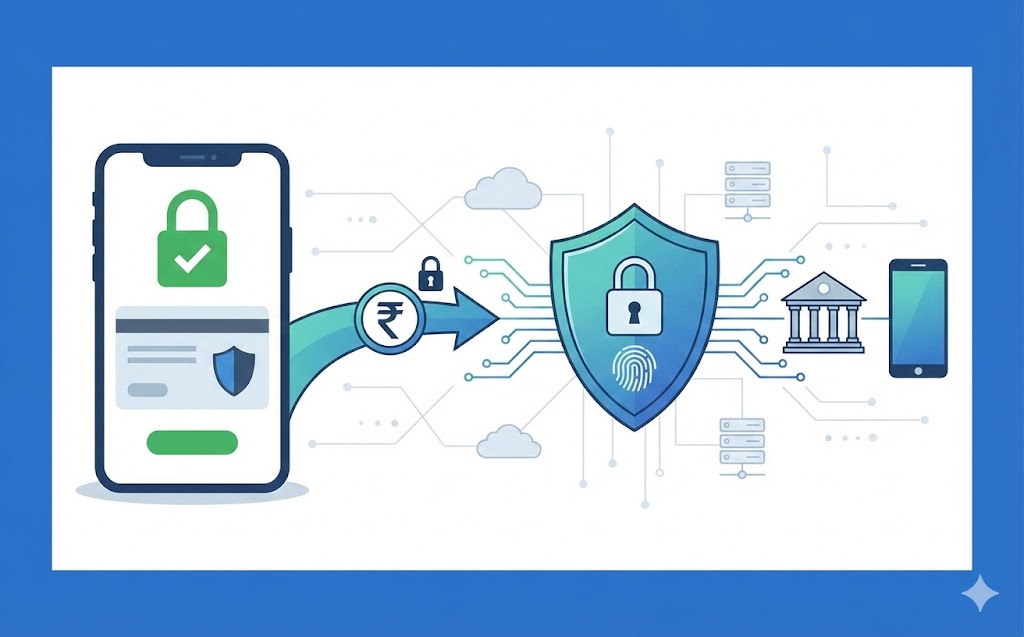
UPI offers a secure and convenient way to make digital payments in India. Its safety relies on features like unique PINs, data encryption, and multi-factor authentication. The National Payments Corporation of India (NPCI) and the Reserve Bank of India (RBI) provide robust regulatory oversight, ensuring high security standards. Users contribute to safety by guarding their PINs and using official applications. This evolving system is built on trust and continuous improvement.
In today’s fast-paced world, paying for things has become incredibly easy, often just a tap or a scan away on your mobile phone. One of the most popular ways to do this in India is through a system called UPI. You might use it to buy groceries, pay for your travel, or even send money to friends and family. It’s wonderfully convenient, but it’s perfectly natural to wonder: is UPI a secure way to handle your hard-earned money? Let’s explore how this digital payment method keeps your transactions safe and what you can do to protect yourself.
What Exactly Is UPI?
UPI stands for Unified Payments Interface. Think of it as a special system that lets you send or receive money directly between bank accounts using just your mobile phone. It’s like having your bank account in your pocket, ready to make payments anytime, anywhere.Making Payments Simple and Quick
Imagine needing to pay someone, but you don’t have their bank account number, or perhaps you’re in a hurry. UPI solves this by letting you link your bank account to a mobile application. Then, you can make payments using a unique ID (like an email address but for money) or by scanning a QR code. The money moves almost instantly, making transactions incredibly fast and hassle-free. It truly makes financial dealings straightforward and quick for everyone.Who Makes Sure UPI Works Safely?
The entire UPI system is developed and managed by an organisation called the National Payments Corporation of India (NPCI). They are a special body set up by the Reserve Bank of India (RBI) and the Indian Banks’ Association. NPCI acts like the central conductor of an orchestra, making sure all the different banks and payment apps work together smoothly and, most importantly, safely. The RBI, as the country’s central bank, also sets strict rules and guidelines to ensure that all digital payment systems, including UPI, are secure and trustworthy. This means there are powerful organisations constantly overseeing and improving the safety of your payments.How UPI Keeps Your Money Protected
When you make a payment using UPI, several layers of security are working behind the scenes to keep your money and information safe. It’s not just one thing, but a combination of clever technologies and rules.Your Secret PIN: A Special Key
Every time you want to make a payment or send money using UPI, you need to enter a special four or six-digit number called your UPI PIN. Think of this PIN as the secret key to your digital wallet. Without this key, no one can authorise a transaction from your account, even if they have your phone. It’s a crucial step that ensures only you can approve payments.Data Encryption: Like a Secret Code
When you send money or information through UPI, it doesn’t travel across the internet in a way that anyone can easily read. Instead, it gets scrambled into a secret code using a process called encryption. This is like putting your message into a locked box that only the intended recipient (your bank or the recipient’s bank) has the key to unlock. If anyone tries to snoop on your transaction, they would only see jumbled, unreadable characters, keeping your financial details private.Two-Step Checks: Double Safety
UPI often uses what’s known as multi-factor authentication, which simply means there are at least two different ways you prove you are you. For instance, you need your phone (something you have) and your UPI PIN (something you know). This double-check makes it much harder for unauthorised people to access your account, even if they manage to get hold of one piece of your information. It’s like needing two different keys to open a very important safe.Always Watching for Trouble: Fraud Detection
The systems behind UPI, along with your bank, are constantly monitoring transactions. They use smart computer programmes and algorithms that look for anything unusual or suspicious. If a payment seems out of character for you – for example, a very large amount sent to a new recipient in a strange location – the system might flag it for review or even temporarily block it to protect you. This ‘always watching’ approach helps to catch potential fraud before it can cause problems.Your Bank’s Role in Security
Remember, UPI links directly to your bank account. This means your bank plays a vital role in keeping your money safe. They have their own robust security systems, fraud prevention teams, and customer support channels. If you ever have a concern or notice something wrong, your bank is your first point of contact and is responsible for addressing your security issues related to your account.Your Part in Staying Safe with UPI
While UPI has many built-in security features, you also have a very important role to play in keeping your money safe. Think of it as a team effort!Guarding Your Secret PIN
Your UPI PIN is the most important secret you have for digital payments. Never, ever share it with anyone, not even friends, family, or someone claiming to be from your bank or a payment service. No legitimate organisation will ever ask you for your PIN. Choose a PIN that isn’t easy to guess, like your birthday or part of your phone number, and consider changing it regularly.Being Smart About Messages and Links
Be very careful about unexpected messages or links you receive, especially if they ask you to click something or provide personal details. These could be ‘phishing’ attempts, where fraudsters try to trick you into giving away your information. Always check the sender’s identity carefully and if something looks suspicious, it’s best to ignore it or delete it.Always Double-Check Before You Pay
Before you hit the ‘pay’ button, take a moment to double-check everything. Make sure the recipient’s name or ID is correct, and that the amount you’re sending is exactly what you intend. A quick check can prevent accidental payments to the wrong person or for the wrong amount.Using Only Official Apps
Always download and use UPI-enabled applications only from official app stores, like the Google Play Store for Android phones or the Apple App Store for iPhones. Unofficial apps might not have the same security features and could put your money at risk.What to Do If You Spot Something Wrong
If you ever notice an unauthorised transaction, receive a suspicious message, or suspect any fraudulent activity, act quickly. Contact your bank immediately through their official helpline or website to report the issue. The sooner you report it, the better your chances of resolving the problem.Answering Your Security Questions
It’s natural to have questions when it comes to the security of your money. Here are some common concerns addressed:Can Someone Else Use My UPI Account?
It is extremely difficult for someone else to use your UPI account without your knowledge. They would need physical access to your mobile phone and your secret UPI PIN. As long as you keep your PIN confidential and your phone secure, your account remains protected.Is My Personal Information Safe?
Yes, your personal information is kept safe. When you use UPI, your sensitive details are encrypted and handled according to strict privacy policies set by the NPCI and RBI. Your full bank account number is not usually shared with the recipient; instead, a virtual payment address or a masked number is used, adding another layer of privacy.What If My Phone Gets Lost?
If your phone is lost or stolen, you should immediately contact your mobile network provider to block your SIM card. You should also contact your bank to temporarily disable or deregister your UPI services. Since your UPI PIN is needed for any transaction, a lost phone alone doesn’t grant access to your funds, but taking these steps adds extra protection.Why You Can Trust UPI
UPI has quickly become a cornerstone of digital payments in India, and its widespread adoption is built on a foundation of trust and robust security.Strong Rules and Guidelines
The entire UPI system operates under the strict oversight of the Reserve Bank of India (RBI) and the National Payments Corporation of India (NPCI). These bodies regularly update rules and guidelines, ensuring that all banks and payment service providers maintain the highest security standards. This regulatory framework means that your payments are always protected by a strong legal and technical safety net.Constantly Getting Better
The technology behind UPI is not static; it is constantly evolving. Banks and NPCI are always working to introduce new security features, improve fraud detection systems, and make the user experience even safer. This commitment to continuous improvement means that UPI remains at the forefront of secure and convenient digital payments, giving you peace of mind with every transaction.Author

FAQs
What is UPI?
UPI stands for Unified Payments Interface. It is a system that allows you to send or receive money directly between bank accounts using your mobile phone.
Who makes sure the payment system works safely?
The National Payments Corporation of India (NPCI) develops and manages the system. The Reserve Bank of India (RBI) also sets strict rules and guidelines to ensure all digital payments are secure.
How does my secret PIN keep my money safe?
Your secret four or six-digit PIN is needed for every payment. Without this key, no one can authorise a transaction from your account, even if they have your phone.
How is my personal information kept private during payments?
When you send money or information, it is scrambled into a secret code using encryption. This is like putting your message into a locked box that only your bank or the recipient's bank has the key to unlock.
What should I do if my phone is lost or stolen?
You should immediately contact your mobile network provider to block your SIM card. You should also contact your bank to temporarily disable or deregister your payment services.
Can someone else use my payment account if they find my phone?
It is extremely difficult for someone else to use your account. They would need physical access to your mobile phone and your secret PIN. Keeping your PIN private and your phone secure protects your account.
What is my role in keeping my money safe when making payments?
You play an important part by guarding your secret PIN, being careful about suspicious messages or links, double-checking payment details, and only using official payment applications.
