If you’re thinking about creating a mobile app that allows people to buy things or make payments, getting the payment system right is one of the most important steps. It’s all about making sure your users can pay easily and, most importantly, safely. This guide will help you understand how payment gateways work and how to choose the best one for your app.
What Exactly Is a Payment Gateway and Why Does Your App Need One?
Imagine you’re buying something online or through an app. When you press “pay,” a lot happens behind the scenes very quickly. That’s where a payment gateway comes in!
Understanding What a Payment Gateway Does for You
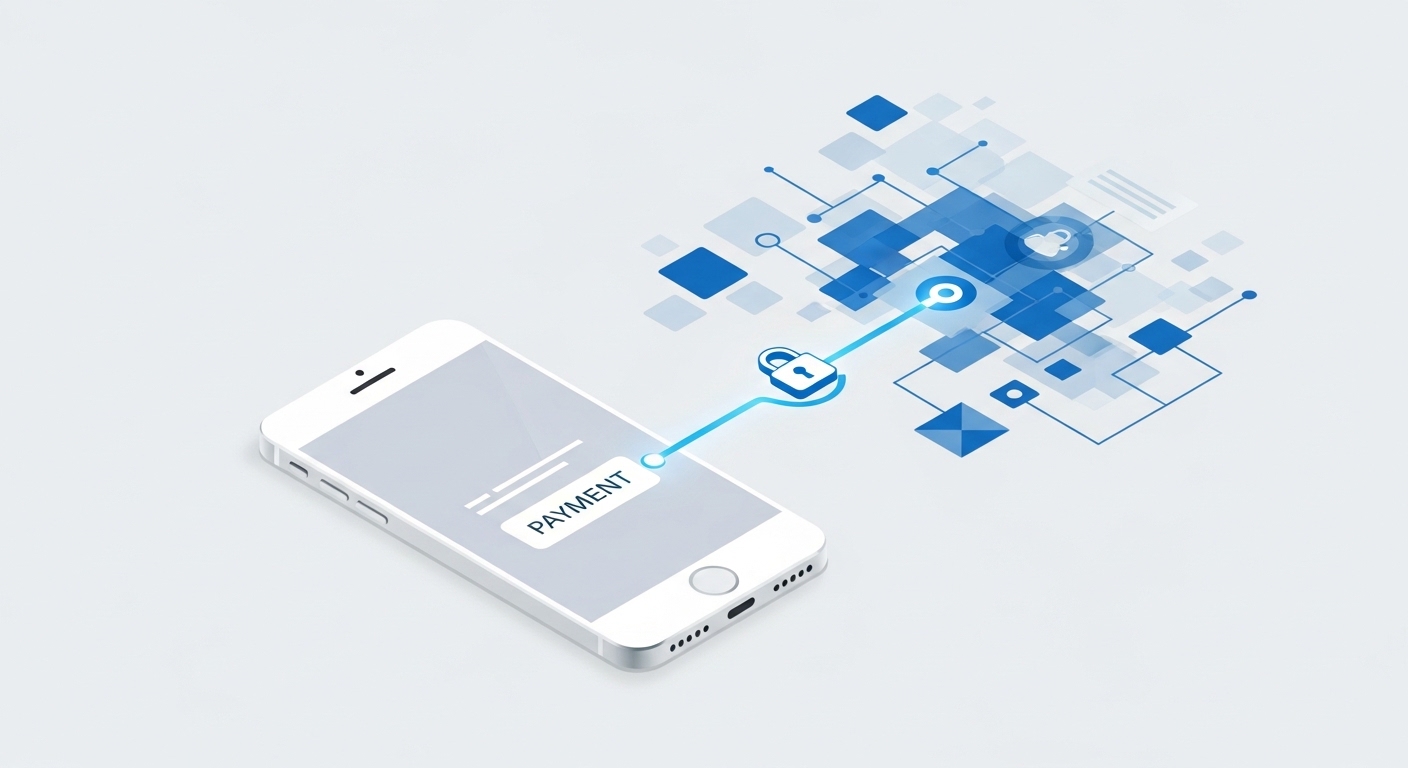
Think of a payment gateway as a super-secure digital bridge. When someone wants to pay for something in your mobile app, this gateway takes their payment details – like their card number – and sends them securely to the bank. It then waits for the bank to say “yes” or “no” to the payment and quickly passes that message back to your app. All of this happens in just a few seconds, keeping everyone’s financial information safe and sound.
Why Your Mobile App Really Needs a Good Payment System
Having a reliable payment system is crucial for your app’s success. Firstly, it makes the buying process smooth and simple for your users. If paying is easy, people are much more likely to complete their purchases and come back to your app. Secondly, and perhaps most importantly, a good payment gateway ensures that all transactions are secure. This builds trust with your users, letting them know their money and personal details are protected.
How These Gateways Connect Your App to the Banks
When a user enters their payment details into your app, the payment gateway acts as the middleman. It encrypts (scrambles) this sensitive information so that no one can snoop on it. Then, it sends these scrambled details to the user’s bank for approval. Once the bank confirms the payment, the gateway sends a message back to your app, telling it that the transaction was successful. It’s a bit like a secret handshake between your app and the banks, all happening at lightning speed.
Choosing the Best Payment Gateway for Your Mobile App
Picking the right payment gateway is a big decision. You want one that fits your app perfectly and makes life easy for your users and for you.
Important Things to Consider When Picking One
When you’re looking at different options, think about what your app does, who your users are, and where they live. Does your app sell physical products, digital services, or something else entirely? Will your users be making small, frequent payments or larger, occasional ones? These questions will help guide your choice.
Making Sure It Works Perfectly with Your App
A good payment gateway should integrate smoothly with your mobile app. This means it should be easy for your developers to connect it without causing any problems or making your app complicated to use. It should feel like a natural part of your app, not something bolted on.
Understanding the Costs: What You’ll Pay in Fees
Payment gateways usually charge fees for their services. These can include a small fee for each transaction, a monthly fee, or even a setup fee. It’s important to understand all these costs upfront so you know exactly what you’ll be paying. Look for clear pricing without hidden charges.
How Easy Is It to Set Up and Use?
You’ll want a payment gateway that is straightforward to set up and manage. For your users, the payment process itself should be simple and intuitive, requiring as few steps as possible to complete a purchase.
Getting Help When You Need It: Customer Support
Even with the best systems, sometimes things don’t go as planned. Good customer support from your payment gateway provider is essential. You’ll want to know that you can get quick and helpful assistance if you encounter any issues or have questions.
Making Payments Smooth and Safe for Your Users
Designing a Simple and Easy Way for People to Pay
Keep the payment process streamlined. Ask for only the necessary information and make sure the steps are clear. A simple, uncluttered design helps users feel confident and reduces the chance of them giving up before completing a purchase.
Keeping Payment Information Super Safe and Private
Protecting your users’ financial details is paramount. You must ensure that sensitive information, like card numbers, is always handled with the highest level of security and privacy. This trust is vital for your app’s reputation.
Using Clever Security Tricks Like Tokenisation
One smart way to keep card details safe is through something called tokenisation. This means that instead of storing the actual card number, the system replaces it with a unique, random code (a “token”). If someone were to try and steal data, they would only get these useless tokens, not the real card details.
Handling Payments That Don’t Go Through Gracefully
Sometimes, a payment might fail. When this happens, it’s important to tell your user clearly why it failed and what they can do next. Was there an issue with their bank? Did they type something wrong? Clear messages prevent frustration and help them try again.
Making refunds Simple and Quick for Everyone
Just as important as making payments easy is making refunds simple. If a user needs a refund, the process should be straightforward and quick. A smooth refund experience builds loyalty and shows you care about your customers.
Following the Rules: Important Guidelines for Mobile Payments
Understanding the Rules About Keeping Personal Data Private
There are strict rules about how you must collect, store, and use people’s personal information. You need to make sure you understand and follow these data protection guidelines to protect your users’ privacy and avoid legal problems.
Meeting Strict Security Standards for Card Payments (Like PCI DSS)
If your app handles card payments, you’ll need to meet specific security standards, such as the Payment Card Industry Data Security Standard (PCI DSS). These are a set of rules designed to ensure that all companies that process, store, or transmit credit card information maintain a secure environment. Adhering to these standards is not just a good idea; it’s often a requirement.
Following Advice from Key Authorities (Such as the Reserve Bank of India and NPCI)
In India, bodies like the Reserve Bank of India (RBI) and the National Payments Corporation of India (NPCI) set important guidelines for digital payments. These guidelines ensure that payment systems are secure, efficient, and fair for everyone. It is essential for your app to comply with their directives to operate legally and safely within the Indian payment ecosystem.
What “Know Your Customer” (KYC) Means for Your App
“Know Your Customer,” or KYC, is a process where businesses verify the identity of their users. This is a crucial step to prevent fraud, money laundering, and other illegal activities. Depending on the type of payments your app handles, you might need to collect and verify certain identification documents from your users, as per regulatory requirements.
Best Practices for Connecting Your Payment Gateway
Using the Right Tools to Link Everything Up Smoothly
Payment gateway providers offer tools like Application Programming Interfaces (APIs) and Software Development Kits (SDKs). These are like instruction manuals and ready-made building blocks that help your developers connect your app to the payment gateway efficiently and securely.
Testing Everything Carefully Before Your App Goes Live
Before your app is available to the public, it is incredibly important to test every part of the payment process. Make sure payments go through, failures are handled correctly, and refunds work as they should. Thorough testing prevents problems and ensures a great experience for your users.
Keeping Your Payment System Updated and Secure
Technology and security threats are always changing. You must regularly update your payment gateway’s software and your app’s security features to protect against new risks and keep everything running smoothly.
Watching How Payments Are Doing and Fixing Issues Fast
It’s a good idea to monitor your payment transactions regularly. This helps you spot any unusual activity or problems quickly. If an issue arises, being able to identify and fix it fast will minimise disruption for your users and protect your app’s reputation.
Looking Ahead: The Future of Mobile App Payments
New and Exciting Ways People Are Paying
We’re already seeing many new payment methods, like scanning QR codes, using fingerprints or facial recognition, and even paying with just a tap of a phone. Staying aware of these innovations can help your app offer modern and convenient ways to pay.
Staying Prepared for Changes in Technology and Rules
The digital payment landscape is dynamic, with new technologies and regulations emerging constantly. Being flexible and ready to adapt to these changes will ensure your app remains relevant, secure, and compliant in the long run.
Author
