

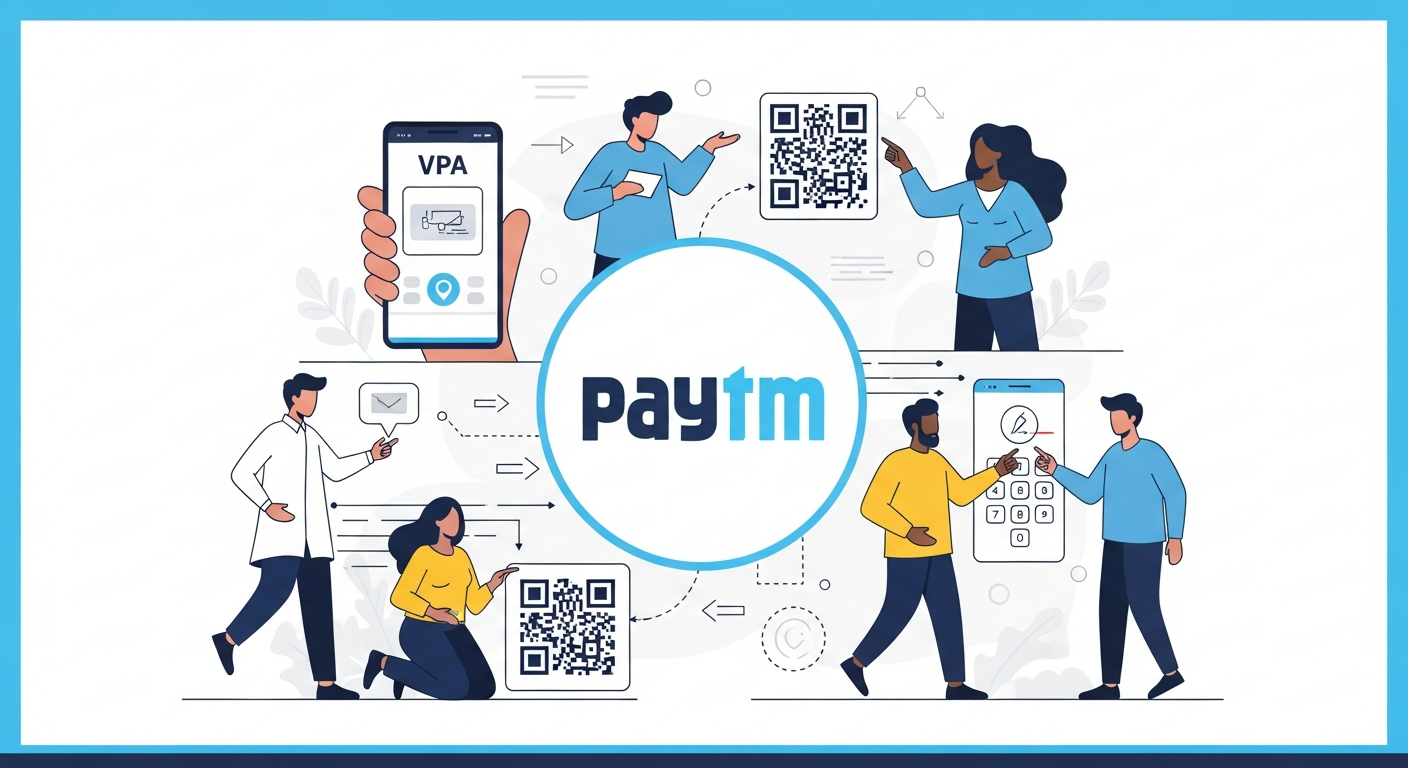
Choosing a trusted digital payments platform is crucial for modern businesses. This guide highlights essential factors like robust security, regulatory compliance, and high reliability to protect your funds and customer data. Learn about key features such as diverse payment acceptance, easy setup, clear reporting, and excellent customer support. Follow practical steps to select the best platform, ensuring your business flourishes securely in the evolving digital payment landscape.
In today’s fast-paced world, how we pay for things has changed a lot. Gone are the days when cash was king; now, digital payments are becoming the norm for many businesses, big and small. If you run a business, choosing the right digital payments platform is a really important decision. It’s not just about making sales, but also about keeping your money and your customers’ details safe. This guide will help you understand what to look for and how to pick a platform you can truly trust.
Understanding Digital Payments for Your Business
Digital payments are more than just a trend; they are a fundamental part of how modern businesses operate. Let’s explore why they are so crucial.What are Digital Payments and Why Do Businesses Need Them?
Simply put, digital payments are when money moves from one person or business to another without using physical cash. This could be through your bank card, a direct bank transfer, or even by scanning a QR code. Businesses need them because they offer a quick, easy, and secure way to accept money, whether your customers are standing in your shop or buying from you online. It’s about making transactions smoother for everyone involved.The Benefits of Accepting Digital Payments for Your Customers
Think about it from your customer’s point of view. When you offer digital payment options, you make their lives much easier. They don’t have to worry about carrying enough cash, and they can pay quickly and conveniently using their preferred method. This convenience often makes customers happier and more likely to complete a purchase, especially if they are shopping online or on the go. It shows you are modern and customer-focused.How Digital Payments Help Your Business Grow
Embracing digital payments can truly help your business flourish.- It allows you to reach a much wider audience, as you can sell to customers who prefer online shopping or those who live far away.
- Transactions are often faster, which means your money comes in quicker and your cash flow improves.
- It gives your business a professional and modern image.
- Digital records of transactions make accounting much simpler and more accurate, helping you understand your business performance better.
What Makes a Digital Payments Platform Trustworthy?
When you choose a platform to handle your money, trust is everything. You need to be sure that your funds and your customers’ information are in safe hands.Keeping Your Money Safe: Security Features You Should Look For
A trustworthy platform uses strong security measures to protect every transaction. You should look for features like:- Encryption, which scrambles sensitive information so only authorised parties can read it – think of it like a secret code.
- Tokenisation, where your customer’s card details are replaced with a unique, meaningless code, making it much harder for fraudsters to steal actual card numbers.
- Two-factor authentication, which adds an extra layer of security, requiring a second step to confirm identity, like a code sent to a phone.
Following the Rules: Regulatory Compliance and Government Oversight
In India, financial services, including digital payments, are closely watched by important bodies like the Reserve Bank of India (RBI) and the National Payments Corporation of India (NPCI). A reliable platform must strictly follow the rules and guidelines set by these authorities. This ensures that your money is handled correctly, your data is protected, and the system operates fairly and safely for everyone. Always check that a platform has the necessary approvals and adheres to these official standards.Reliability: Making Sure Payments Always Go Through
Imagine a customer trying to pay, and the system fails. That’s a lost sale and a frustrated customer! A trustworthy digital payments platform is highly reliable, meaning it works smoothly almost all the time. It should have a very high “uptime,” so you can be confident that payments will always go through without a hitch, keeping your business running smoothly and your customers happy.Protecting Your Business and Your Customers: Fraud Prevention
Unfortunately, fraud is a reality in the digital world. A good payments platform will have advanced tools to spot and stop suspicious transactions before they cause any harm. This protects your business from financial losses and your customers from misuse of their payment details. These systems often use clever technology to identify unusual patterns and flag potential fraud, giving you peace of mind.Key Features to Look for in a Business Payments Platform
Beyond security, certain features make a digital payments platform truly useful for your business.Easy Setup and Simple Use for Your Team
You don’t want to spend ages setting up a complicated system or training your staff. Look for a platform that is easy to get started with and straightforward for your team to use every day. It should have a clear, user-friendly design and integrate well with any existing business tools you might have, like your billing software.Accepting All Kinds of Payments (Cards, Bank Transfers, QR Codes)
Your customers have different ways they like to pay. A versatile platform should allow you to accept a wide range of payment methods. This includes major debit and credit cards (like Visa, Mastercard, and RuPay), direct bank transfers, and common QR code payment systems. Offering variety ensures you don’t miss out on sales because a customer can’t pay their preferred way.Clear Reports and Tracking for Your Business Finances
Keeping track of your money is vital. A good platform will provide you with clear, easy-to-understand reports on all your transactions, sales, and refunds. This might be through a simple dashboard where you can see everything at a glance. These reports are invaluable for managing your finances, doing your accounting, and making smart decisions about your business’s future.Good Customer Support When You Need Help
Even the best systems can sometimes have a hiccup, or you might just have a question. That’s when excellent customer support becomes crucial. Look for a platform that offers responsive and knowledgeable help, perhaps through phone, email, or live chat. Knowing that you can get quick and effective assistance when you need it gives you great confidence.Making Your Choice: Steps to Pick the Best Platform
With so many options, how do you pick the right one for your business? Here’s a practical approach.Thinking About Your Business Needs First
Before you start looking, take a moment to think about what your business truly needs. Are you mainly selling online, in a physical shop, or both? How many transactions do you expect to process each day or month? What specific features are most important to you? Knowing your own requirements will help you narrow down the choices.Checking for Security and Official Approvals
This is a non-negotiable step. Always verify the security measures a platform has in place. Crucially, confirm that the platform is officially approved and complies with all the rules and regulations set by Indian authorities like the RBI and NPCI. This ensures your operations are legal and secure.Reading Reviews and Understanding Experiences
What do other businesses say about using the platform? Spend some time reading reviews from other merchants. Look for consistent feedback on things like reliability, ease of use, and the quality of customer support. Real-world experiences can give you valuable insights.Trying It Out: Testing the Platform
Many digital payment platforms offer a demo or a trial period. If possible, take advantage of this. Test out the setup process, try making a few dummy transactions, explore the reporting features, and even contact their customer support. This hands-on experience will help you see if it’s a good fit for your business before you commit.The Future of Digital Payments for Businesses
Digital payments are always evolving, bringing new opportunities and challenges for businesses.How Digital Payments Will Keep Changing
The world of digital payments is constantly innovating. You can expect to see even faster transaction processing, new and exciting ways to pay (like advanced mobile payment options), and even better integration with other business tools. Staying open to these changes can help your business remain competitive and efficient.Staying Safe and Smart with Your Business Payments
As digital payments continue to evolve, it’s important for you to stay informed. Regularly review the security practices of your chosen platform and make sure it continues to meet the highest standards. Keep an eye on new features that could benefit your business, and always adapt to new ways of working safely and smartly in the digital payment landscape.Author

