

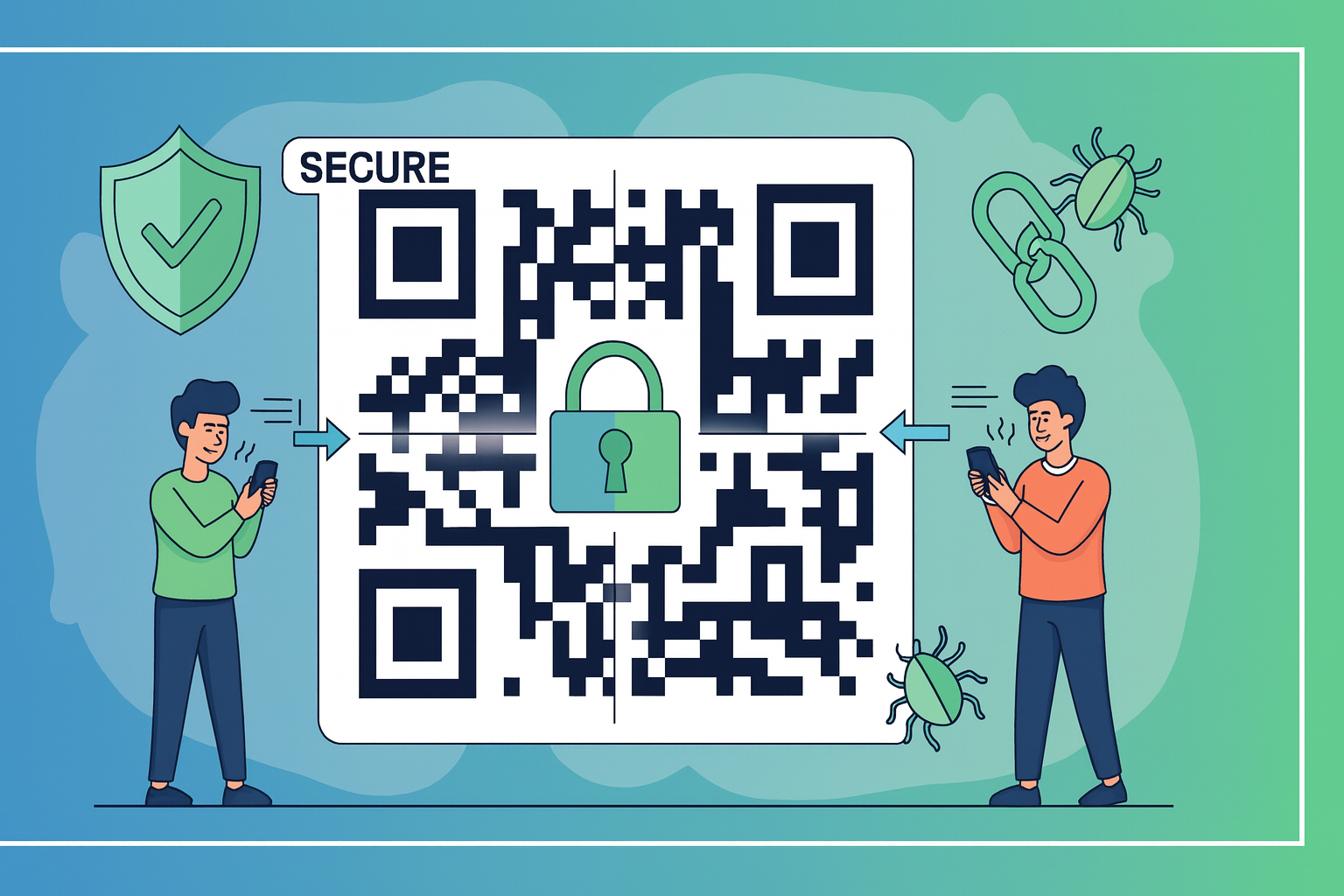
India’s digital payment landscape has seen an incredible surge, with transactions via mobile apps and QR codes crossing over 100 billion annually. This massive shift means that more people than ever before are moving away from physical cash, embracing quick and easy electronic ways to pay for everything from daily groceries to online services. This widespread adoption of digital payment methods has fundamentally changed how we interact with money in our everyday lives.
However, this convenience also presents a unique opportunity for everyone, especially young people, to develop a stronger understanding of their personal finances. By using tools like ‘Scan & Pay‘, you’re not just making a transaction; you’re creating a digital record that can become a powerful instrument for learning about your spending habits, managing your money wisely, and ultimately boosting your financial literacy for a secure future.
What Is Financial Literacy and Why Does It Matter?
Financial literacy is simply knowing how to manage your money well. It’s about understanding how money works, where it comes from, and where it goes. Being financially literate helps you make good decisions about earning, spending, saving, and investing your money.
It matters because it gives you control over your financial life. When you understand money, you’re better prepared for unexpected costs, can save for big goals, and avoid common money troubles. It’s a skill that helps you throughout your entire life, from buying a snack to planning for your education or a future home.
Understanding your money
Understanding your money means you know how much you have, how much you earn, and how much you spend. It’s like having a clear map of your financial situation, showing you all the important details. This clarity helps you feel more confident about your finances.
Making smart choices
When you’re financially literate, you can make smarter choices with your money. You’ll think carefully before buying something, decide if a purchase is truly necessary, and compare options to get the best value. These wise decisions help your money go further.
Planning for your future
Financial literacy is key to planning for your future, whether it’s saving up for a new gadget, a college education, or even a trip. It teaches you how to set goals and work towards them by saving regularly and making sensible financial plans.
Pro Tip: Start learning about money early! The more you know now, the better prepared you’ll be for all of life’s financial decisions.
What Are Digital Payments?
Digital payments are simply ways to pay for things using electronic methods instead of physical cash. Instead of handing over banknotes or coins, you use technology like your phone, a computer, or a card to move money from one account to another. It’s a modern and often faster way to handle transactions.
These methods have become incredibly popular because they offer convenience and speed. You don’t need to carry a wallet full of cash, and you can make payments from almost anywhere, at any time. This has transformed how we shop, pay bills, and manage our daily expenses.
Moving money electronically
When you make a digital payment, your money doesn’t physically travel. Instead, electronic signals confirm that money has moved from your bank account or digital wallet to the seller’s account. It’s all done securely through computer systems and networks.
Quick, easy transactions
One of the biggest advantages of digital payments is how quick and easy they are. You can complete a transaction in seconds, avoiding queues and the hassle of finding exact change. This speed makes everyday shopping much smoother.
Different ways to pay
There are many kinds of digital payments. You might use your debit or credit card, send money directly from your bank account online, or use mobile payment apps that let you pay by scanning a code or tapping your phone. Each method works a little differently but achieves the same goal: moving money without cash.
Quick Context: In India, digital payments have grown incredibly fast, making everyday transactions much simpler for millions of people across cities and even in smaller towns.
How Does Scan & Pay Work?
Scan & Pay is a very popular type of digital payment, especially here in India. It’s a straightforward way to pay using your smartphone and a special picture called a QR code. You’ve probably seen these black and white square codes at shops, petrol pumps, or even small roadside stalls.
When you want to pay, you just open a payment app on your phone, point your phone’s camera at the QR code, and the app instantly recognises the seller’s details. You then enter the amount you need to pay, confirm the transaction, and your money is transferred directly and securely. It’s a quick and simple process that many people find very convenient.
Using QR codes
A QR code is like a unique barcode for each seller or service. When you scan it with your phone’s camera through your payment app, it automatically pulls up the correct details for who you’re paying. This means you don’t have to enter long account numbers, which saves time and prevents mistakes.
Instant money transfers
Once you confirm your payment, the money usually transfers almost instantly from your account to the seller’s. You’ll typically get a notification on your phone, and the seller might also get an alert, confirming that the payment has gone through successfully. This real-time confirmation is a big part of why Scan & Pay is so popular.
Simple steps to pay
Paying with Scan & Pay is very simple.
- First, you open your chosen payment app.
- Second, you tap the ‘Scan’ or ‘QR’ option and point your phone at the QR code.
- Third, you enter the amount you need to pay.
- Fourth, you enter your secure PIN to authorise the payment.
- Finally, you’ll see a confirmation message, and the payment is complete.
Scenario: Aarti’s Daily Market Trip
Aarti from Bengaluru often visits her local vegetable vendor. Instead of fumbling for change, she simply opens her mobile payment app, scans the vendor’s QR code displayed on the cart, enters the exact amount for her vegetables, and enters her PIN. Within seconds, both she and the vendor receive a confirmation, making her shopping quick and hassle-free.
The Benefits of Using Scan & Pay
Using Scan & Pay offers many advantages that make your life easier and your transactions smoother. It’s not just about paying; it’s about a more efficient and secure way to handle your money in daily life. From saving time to reducing the need for physical cash, the benefits are clear.
These benefits extend beyond just convenience, helping you manage your finances with greater ease and confidence. It also opens up opportunities to pay for services in more places, making your money more versatile.
Convenience and speed
Imagine never having to search for the right change or wait while a cashier counts out your money. Scan & Pay transactions are incredibly fast, often taking just a few seconds. This speed and convenience save you time, especially when you’re in a hurry or dealing with small purchases.
Less need for cash
With Scan & Pay, you don’t need to carry large amounts of cash. This means there’s less risk of losing money or having it stolen. It also makes transactions more hygienic, as you’re not handling physical banknotes that many others have touched.
Access to services
Scan & Pay allows you to pay for things in many places where traditional card machines might not be available. From small kirana stores to street food vendors, more and more businesses in India are accepting QR code payments. This gives you greater flexibility and access to a wider range of services.
| Feature | Cash Payment | Scan & Pay Payment |
| Speed | Can be slow, especially with change | Instant, takes seconds |
| Convenience | Need to carry physical money, exact change | Use your phone, no need for change |
| Security | Risk of loss or theft | Secure PIN/biometric protection, digital record |
| Tracking | Manual notes needed for tracking | Automatic digital record of every transaction |
| Accessibility | Limited by physical cash on hand | Pay almost anywhere, anytime, with your phone |
| Hygiene | Handling physical notes/coins | Contactless, no physical exchange |
Scan & Pay: A Tool for Understanding Your Spending
This is where Scan & Pay becomes much more than just a way to pay; it transforms into a powerful tool for financial education. Every time you make a digital payment, you create a clear, digital record of that transaction. This record is invaluable for truly understanding where your money goes.
Unlike cash payments, which often leave no trace unless you manually write them down, digital payments automatically log your spending. This means you have a detailed history at your fingertips, which is the first step towards taking control of your financial habits and making smarter choices.
Your digital spending record
Every Scan & Pay transaction is recorded in your payment app or bank statement. This digital record includes the date, time, amount, and usually the name of the merchant you paid. It’s like having a personal diary of all your expenses, kept neatly and automatically for you.
Seeing where your money goes
With these records, you can easily review all your purchases. Instead of wondering where your money disappeared to, you can see exactly what you spent it on. This clear view helps you identify your main spending areas, whether it’s food, transport, entertainment, or something else.
Reviewing payment history
Regularly checking your payment history is a simple but effective habit. You can scroll through your transactions from the past week, month, or even year. This review helps you spot trends in your spending and understand if you’re spending more than you intended in certain areas.
“Knowing where your money goes is the first step towards making it go where you want it to.”
How to Track Your Spending Effectively
Tracking your spending doesn’t have to be complicated, especially when you use digital payments like Scan & Pay. With all your transactions recorded automatically, you have a great starting point. The key is to regularly look at these records and understand what they tell you.
By developing a habit of checking and categorising your expenses, you’ll gain valuable insights into your financial behaviour. This knowledge is essential for making informed decisions and improving your money management skills.
Checking transaction details
Make it a habit to look at the details of each transaction in your payment app or bank statement. See the date, the amount, and who you paid. This helps you confirm that all transactions are correct and also reminds you of what you spent your money on.
Categorising your outgoings
Once you see your transactions, try to group them into categories. For example, you might have categories like ‘Food’, ‘Transport’, ‘Entertainment’, ‘Clothes’, or ‘School Supplies’. Many payment apps even offer features to help you categorise automatically, making it easier to see where your money is going.
Finding spending patterns
After categorising your expenses for a while, you’ll start to notice patterns. Maybe you spend a lot on snacks every afternoon, or your transport costs are higher on certain days. Identifying these patterns helps you understand your habits and where you might be able to save money.
Common Confusion: Some people think tracking spending is too complicated or takes too much time, but with digital payments, it’s actually quite simple and can be done in just a few minutes each week.
Creating a Simple Budget for Yourself
Once you understand where your money goes by tracking your spending, the next important step in financial literacy is creating a budget. A budget is simply a plan for your money. It helps you decide how much you can spend, save, and where your money should go each month.
Creating a budget empowers you to take control, ensuring you have enough money for your needs and goals. It’s not about restricting yourself, but about making conscious choices that align with your financial aspirations.
Knowing your income
The first step in budgeting is to know exactly how much money you receive regularly. This could be your pocket money, earnings from a part-time job, or any other regular allowance. Knowing your total income is your starting point for planning.
Listing your expenses
Next, list all the things you spend money on. Use your Scan & Pay transaction history to help you remember everything. Separate your expenses into ‘needs’ (like food, transport for school) and ‘wants’ (like entertainment, new clothes). This helps you see what’s essential and what’s optional.
Setting spending limits
Based on your income and expenses, set limits for how much you’ll spend in each category. For example, you might decide to spend ₹500 on snacks per week and save ₹200. These limits help guide your spending decisions and ensure you don’t overspend.
Sticking to your plan
The most important part of budgeting is trying your best to stick to your plan. Check your spending regularly using your digital payment history to see if you’re on track. If you go over in one area, try to cut back in another. It’s okay to adjust your budget as you learn more about your spending habits.
Scenario: Rohan’s Budget for a New Game
Rohan from Mumbai receives ₹1000 pocket money each month. He really wants to save ₹3000 for a new video game. By tracking his Scan & Pay transactions, he realised he spent ₹400 on sugary drinks and snacks every month. He decided to budget ₹200 for snacks and put the extra ₹200 towards his game savings. After reviewing his budget each week, he’s now well on his way to buying his game in a few months!
Keeping Your Digital Payments Safe
While digital payments like Scan & Pay offer great convenience and help with financial literacy, it’s very important to keep your accounts and transactions safe. Just like you protect your physical belongings, you must protect your digital money. Being aware of security practices and potential risks is a key part of financial literacy.
Understanding how to keep your digital payments secure will protect your money from fraud and ensure you can use these tools with confidence. Always remember that your vigilance is your best defence.
Protecting your account
Always use strong passwords or PINs for your payment apps and bank accounts. Make sure they are unique and hard for others to guess. Many apps also offer extra security features like fingerprint scanning or facial recognition, which you should enable to add an extra layer of protection.
Strong security practices
Never share your PIN, password, or any personal details with anyone, even if they claim to be from your bank or a payment company. Be careful when using public Wi-Fi for transactions, as these networks can sometimes be less secure. Always double-check the recipient’s details before confirming a payment.
Recognising payment fraud
Be aware of common scams. This includes fake messages or calls asking for your PIN or OTP (One-Time Password), or links that lead to fake payment websites. If something seems too good to be true or makes you feel pressured, it’s usually a scam. Always verify requests directly with the official source.
Who to contact for help
If you ever suspect that your account has been compromised, or if you make a payment to the wrong person, contact your bank or the customer service of your payment app immediately. In cases of fraud, you can also report it to the national cybercrime helpline. Acting quickly can help protect your money.
“Your digital security is just as important as your physical safety; always be vigilant and protect your personal financial information.”
Making Smart Money Choices with Scan & Pay
Ultimately, the goal of boosting your financial literacy through Scan & Pay is to empower you to make smart money choices. By using these digital tools to track your spending, understand your habits, and budget effectively, you’re building a strong foundation for your financial future.
It’s about being mindful of every transaction, setting clear goals, and developing habits that will serve you well throughout your life. Scan & Pay isn’t just a payment method; it’s a stepping stone towards becoming a financially savvy individual.
Thinking before you spend
With a clear record of your spending and a budget in place, you’ll naturally start to think more carefully before making a purchase. Ask yourself: “Do I really need this?” or “Does this fit within my budget?” This mindful approach helps you avoid impulse buys and spend your money on things that truly matter to you.
Saving for your goals
By tracking your expenses and sticking to a budget, you’ll find it much easier to save money. Whether it’s for a new book, a special outing, or a future educational course, setting financial goals and seeing your progress through your spending records can be incredibly motivating.
Building good habits
Using Scan & Pay to understand your money helps you build excellent financial habits that will last a lifetime. These include regular tracking, thoughtful budgeting, and making informed decisions. These habits are crucial for achieving financial independence and security as you grow older.
Conclusion
Understanding Boosting Financial Literacy Through Scan & Pay: Understanding Your Spending can help you make informed decisions. By following the guidelines outlined above, you can navigate this topic confidently.
Author

