

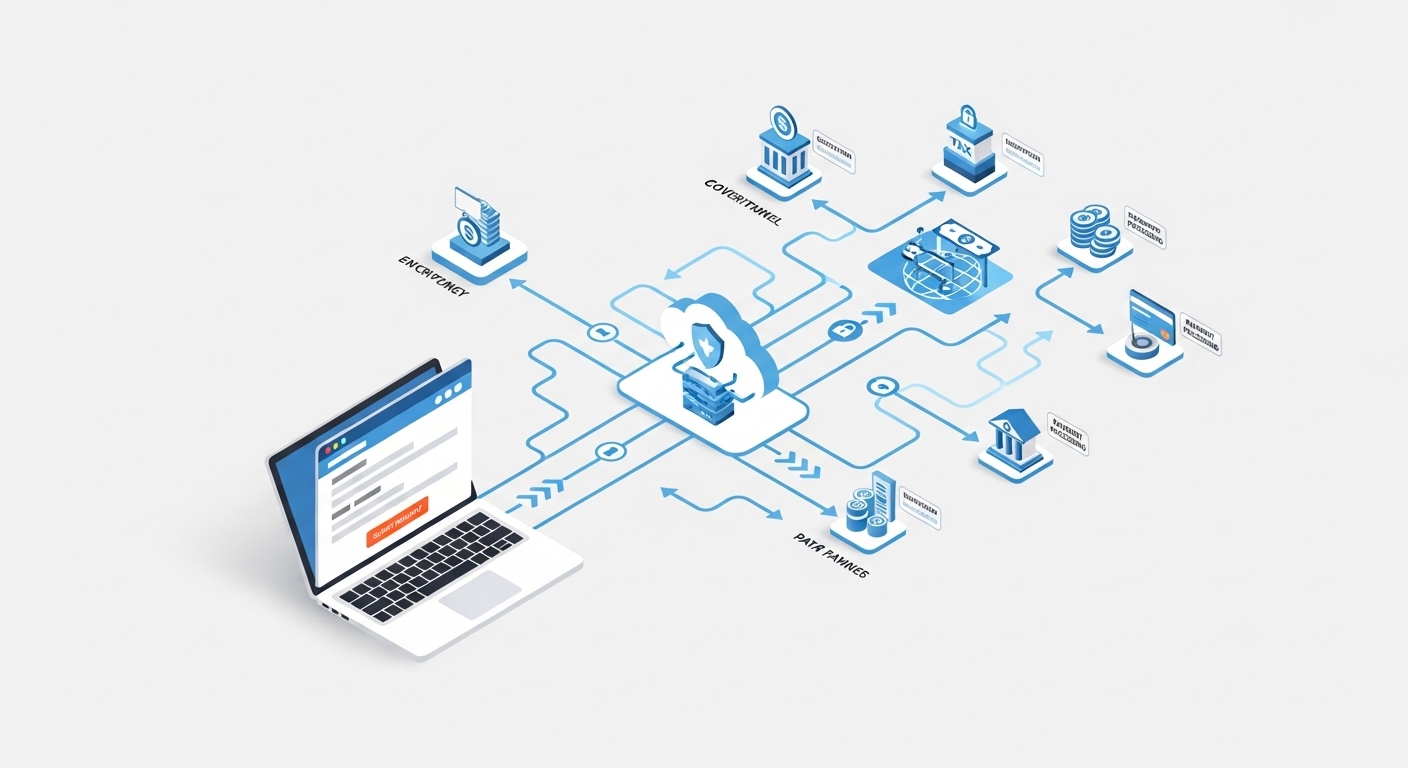
A taxpayer from Bengaluru recently faced a confusing situation when their online tax payment didn’t reflect in their account for weeks. Despite having a payment receipt, the Income Tax Department’s portal showed no record of the transaction. It turned out the bank’s Basic Statistical Return (BSR) code, which identifies the specific branch handling the payment, was either misapplied or not correctly processed, causing a significant delay in reconciliation.
This common issue highlights why understanding the BSR code is crucial for anyone making tax payments in India. It’s not just a random set of numbers; it’s a vital identifier that ensures your hard-earned money reaches the correct government account and is credited to your tax file promptly. Without this unique code, your payment could become lost in the system, leading to unnecessary stress and potential penalties.
Table of Contents
What is a BSR Code?
A BSR code, or Basic Statistical Return code, is a unique seven-digit identifier assigned to every bank branch authorised to collect taxes on behalf of the Indian government. The Reserve Bank of India (RBI) initially introduced these codes to streamline the collection and reporting of various financial statistics. For taxpayers, it’s the specific key that links your payment to the exact bank and branch that processed your transaction.
This unique bank identification is essential because it allows the Income Tax Department to accurately track and reconcile the vast number of tax payments made across the country. Think of it as a digital address for your tax payment, ensuring it doesn’t get misdirected. Without a correct BSR code, your payment might not be properly matched to your Permanent Account Number (PAN) or Tax Deduction and Collection Account Number (TAN), which can lead to complications.
You need this code primarily for two reasons: firstly, to ensure your tax payment is correctly categorised and credited, and secondly, to help you track your payment if any discrepancies arise. When you make an online tax payment, the system often handles the BSR code automatically once you select your bank. However, understanding its purpose and verifying it on your challan receipt remains incredibly important for your peace of mind.
Quick Context: What is a Challan?
A challan is a government form used to deposit taxes or other dues. It acts as a receipt and proof of payment, containing details like your PAN, the assessment year, and the amount paid.
Understanding the BSR Code Structure
The BSR code is a distinctive seven-digit number that provides specific details about the bank branch involved in your tax transaction. This structure helps in precise identification and data management, ensuring that every payment is correctly attributed. Understanding how these digits are organised can demystify the code and help you recognise its components.
The first five digits of the BSR code represent the unique identification number for the bank itself. This part of the code broadly identifies the financial institution, such as the State Bank of India or ICICI Bank, regardless of the specific branch. This initial segment acts as a primary identifier within the vast network of tax-collecting banks across India.
The next two digits then specify the particular branch of that bank where the transaction was processed. These two digits, when combined with the first five, form the complete seven-digit BSR code that precisely pinpoints the exact bank branch. This level of detail is crucial for the Income Tax Department to accurately track where and when a tax payment originated.
It’s important to note that while the BSR code is a seven-digit number identifying the bank and branch, you will also encounter a challan serial number, which is a separate seven-digit number. This challan serial number is unique to each individual tax payment you make, acting as a specific transaction ID for your challan. Both the BSR code and the challan serial number are vital for tracking your tax payment effectively.
| BSR Code Component | Description | Example (Hypothetical) |
| First Five Digits | Identifies the specific bank | 00001 (for State Bank of India) |
| Next Two Digits | Identifies the specific branch of that bank | 01 (for a particular SBI branch) |
| Full BSR Code | Unique 7-digit code for the bank branch | 0000101 |
| Challan Serial Number | Unique 7-digit number for your specific payment | 1234567 |
How Do You Find Your BSR Code?
Finding the correct BSR code is often simpler than you might think, especially if you know where to look. While you don’t typically need to manually enter the BSR code for online payments, knowing how to locate it can be invaluable for verification or troubleshooting. There are a few reliable methods you can use to identify the BSR code relevant to your tax payment.
One common way is through your bank’s official branch locator tool, usually available on their website. Most banks that are authorised to collect taxes will provide a list of their branches along with their respective BSR codes. You can search for your specific branch using its name or location to retrieve the correct code, ensuring you have accurate information.
If you’ve made a physical tax payment at a bank branch, the BSR code will be clearly printed on the counterfoil of your challan receipt. This physical proof of payment is a critical document, and you should always keep it safe. The BSR code, along with the challan serial number, will be prominently displayed, making it easy to reference if needed for future inquiries or reconciliation.
Finally, after making an online tax payment, you can often find the BSR code on the electronic challan receipt generated by the official tax portals. Once your payment is successful, you’ll receive a digital receipt that contains all the necessary details, including the BSR code of the bank branch that processed your transaction. It’s always a good practice to download and save this e-challan for your records.
Pro Tip: Verifying BSR Code
Always cross-check the BSR code printed on your challan receipt with your bank’s official list or the Income Tax Department’s portal to ensure accuracy, especially before raising any payment discrepancy queries.
Using BSR Codes for Online Challan Payments
Making online challan payments has become the preferred method for many taxpayers due to its convenience and efficiency. While you don’t directly enter the BSR code during the online payment process, understanding its role is still vital for ensuring your payment is correctly recorded. The system uses the BSR code behind the scenes to link your payment to the right bank branch.
Navigating the Online Tax Payment Process
The process typically begins by accessing the official tax portal, such as the Income Tax Department’s e-filing website. You’ll need to log in with your credentials or proceed as a guest, depending on the type of payment you’re making. This initial step sets the stage for accurately categorising your tax liability and initiating the payment.
Step 1: Access the official Income Tax e-filing portal and navigate to the ‘e-Pay Tax’ section, which is typically found under the ‘Quick Links’ or ‘Services’ menu.
Step 2: Select the appropriate tax payment option, such as ‘Income Tax’ or ‘Corporate Tax’, and then choose the relevant assessment year for which you are making the payment.
Step 3: Enter your PAN or TAN, along with other required details like your mobile number and address, to ensure the challan is correctly associated with your taxpayer identity.
Step 4: Confirm the payment details, including the type of tax, minor head, and assessment year, and then select your preferred bank from the list of authorised banks for online payment.
Step 5: You will be redirected to your chosen bank’s net banking portal where you must log in and authorise the payment, after which you’ll receive an e-challan containing the BSR code and challan serial number.
After completing these steps, you’ll receive a digital receipt, known as an e-challan, which is crucial for your records. This e-challan will clearly display the BSR code of the bank branch that processed your payment, along with the unique challan serial number. Always download and save this document, as it serves as definitive proof that your tax payment has been successfully made and recorded.
Common Confusion: BSR Code Entry
It is commonly assumed that you manually enter the BSR code when making an online tax payment.
When paying online, you select your bank from a dropdown list, and the system automatically assigns the correct BSR code for that bank; you only need to verify it on your challan receipt.
Why is the BSR Code Important?
The BSR code plays a fundamental role in the entire tax payment ecosystem, ensuring accuracy and accountability for both taxpayers and the government. Its importance cannot be overstated, as it directly impacts how your tax payments are processed, tracked, and ultimately credited. Without this unique identifier, the system would struggle to reconcile the vast volume of transactions.
One of the primary reasons the BSR code is crucial is for accurate payment tracking. Every tax payment, whether made online or physically, needs to be linked to a specific bank branch for reconciliation purposes. The BSR code provides this precise link, allowing the Income Tax Department to identify exactly where and through which institution your payment was made, greatly simplifying their accounting processes.
Furthermore, the BSR code ensures correct tax credit to your PAN or TAN. If the BSR code on your challan is incorrect or mismatched, your payment might not be properly associated with your tax file. This can lead to your tax records showing an outstanding balance even after you’ve paid, potentially resulting in notices from the tax department or even penalties.
Avoiding payment errors is another significant benefit of the BSR code. By having a unique identifier for each bank branch, the system minimises the chances of payments being misdirected or lost. When you verify the BSR code on your challan, you’re essentially confirming that your payment has been routed through the correct channel, giving you assurance that your tax liability will be properly discharged.
Key Reasons for BSR Code Importance
- Accurate Reconciliation: It enables the Income Tax Department to precisely match your payment with the collecting bank branch.
- Correct Tax Credit: Ensures your payment is correctly credited against your PAN or TAN, preventing discrepancies in your tax records.
- Dispute Resolution: Provides a clear identifier for investigating payment issues or discrepancies, should they arise.
- Regulatory Compliance: Helps the RBI and other regulatory bodies monitor and collect statistical data on tax collections efficiently.
Common Errors to Avoid When Using BSR Codes
While BSR codes are essential for accurate tax payments, certain common errors can lead to complications if not addressed. Being aware of these pitfalls can help you ensure a smooth and hassle-free tax payment experience. Avoiding these mistakes is crucial for maintaining accurate tax records and preventing unnecessary stress.
One frequent mistake is incorrect code entry, particularly if you’re dealing with physical challans or manual inputs in specific scenarios. Although online systems largely automate BSR code selection, any instance where you might manually reference or write down the code could introduce an error. A single digit mistake can lead to your payment being incorrectly categorised or unidentifiable within the system.
Another error involves mismatched bank details. This can occur if you initiate a payment through one bank’s portal but inadvertently select a different bank’s details on the e-challan form, or if there’s a technical glitch.
Always double-check that the bank displayed on your final challan receipt matches the bank through which you actually made the payment. Discrepancies here can cause significant delays in your payment reflecting on your tax statement.
Late payment issues can also arise indirectly from BSR code errors. If your payment isn’t correctly credited due to a BSR code mismatch, the tax department might consider your payment as delayed or outstanding.
This could result in interest charges or penalties, even if you paid on time. Always verify your challan details promptly to avoid such situations.
Common Confusion: Challan Serial Number
The challan serial number is the same for all payments made through a particular bank branch.
Each challan generated for a tax payment has a unique 7-digit serial number, distinct from the BSR code, which helps track your specific transaction and is crucial for payment verification.
The Benefits of Online Tax Payments
Embracing online platforms for tax payments offers a multitude of advantages that go beyond just convenience. These digital methods streamline the entire process, making it more efficient, secure, and accessible for every taxpayer. Understanding these benefits can encourage greater adoption and help you manage your tax obligations more effectively.
One of the most significant benefits is the sheer convenience and accessibility of online payments. You can complete your tax obligations from anywhere, at any time, using your computer or mobile device. This eliminates the need to visit a bank branch during specific hours, providing unparalleled flexibility and saving you valuable time in your busy schedule.
The time-saving process is another major advantage of digital tax payments. Online transactions are typically processed much faster than traditional methods, with confirmations often generated instantly. This speed means less waiting and quicker reconciliation of your payment with the tax department, helping you avoid last-minute rushes and potential delays.
Furthermore, online tax payments ensure highly secure transactions. Digital platforms utilise robust encryption and security protocols to protect your financial information during the payment process. This digital trail also provides a clear record of your transaction, making it easier to track and verify your payment if any questions arise later.
Advantages of Digital Tax Payments
- 24/7 Availability: Pay your taxes at any time, day or night, without being restricted by bank operating hours.
- Reduced Errors: Online forms often have built-in validations that minimise common entry mistakes, ensuring accuracy.
- Instant Confirmation: Receive immediate digital receipts (e-challans) as proof of payment, eliminating physical paperwork.
- Environmental Impact: Contributes to a paperless environment by reducing the need for physical challans and receipts.
When You Don’t Directly Enter the BSR Code
It’s a common misconception that you always need to manually enter the BSR code when making a tax payment. While the BSR code is undeniably crucial for every tax transaction, there are specific scenarios where you, as the taxpayer, don’t directly enter this seven-digit number. Understanding these situations clarifies your role in the payment process.
When you make an online tax payment through the official Income Tax Department’s e-filing portal, you typically select your bank from a dropdown list. The system then automatically associates the correct BSR code with your chosen bank in the background. You are not prompted to type in the BSR code yourself; instead, the technology handles this detail for you, streamlining the user experience.
Similarly, if you opt for a physical tax payment at an authorised bank branch, you won’t be entering the BSR code either. The bank teller or the internal banking system will use the appropriate BSR code for their branch when processing your challan. In this case, your responsibility is to ensure you fill out all other details on the challan accurately, such as your PAN, assessment year, and the tax amount.
Therefore, while the BSR code is always an integral part of your tax payment, your interaction with it can be indirect. Your main task is to verify that the correct BSR code appears on your final challan receipt, whether it’s an e-challan from an online payment or a physical counterfoil from a bank branch. This verification step is your safeguard against potential reconciliation issues.
Where to Get Help with BSR Codes
Even with a clear understanding of BSR codes, you might occasionally encounter situations where you need assistance or clarification. Knowing where to turn for reliable help can save you time and prevent potential frustration. Several official channels are available to support taxpayers with their BSR code-related queries.
The primary resource for any tax-related information, including BSR codes, is the Income Tax Department’s official website. Their e-filing portal often provides comprehensive , user manuals, and dedicated help sections. You can usually find information on how to verify challan status using BSR codes and challan serial numbers, or even lists of authorised banks and their respective codes.
Your bank’s customer support is another valuable resource. If you have questions about a BSR code associated with a payment made through their institution, or if you need to confirm the BSR code for a specific branch, their helpdesk can provide assistance. They can also help clarify any discrepancies that might appear on your bank statement versus your tax challan.
For more complex issues or if you require personalised guidance, contacting official tax consultants or chartered accountants can be beneficial. These professionals possess in-depth knowledge of tax regulations and can help you navigate complicated scenarios, ensuring your tax payments are correctly attributed. Always ensure you are consulting with a certified and reputable professional.
Pro Tip: Before Contacting Support
Have your PAN/TAN, challan details (including BSR code and challan serial number), payment date, and bank transaction ID ready before contacting any helpdesk. This information will significantly speed up the resolution process.
Sources
Conclusion
Understanding the BSR code is fundamental to ensuring your online challan payments are processed smoothly and accurately. This unique identifier guarantees that your tax contribution reaches the correct government account and is properly credited against your tax file. Always take a moment to verify the BSR code and challan serial number on your e-challan receipt, as this simple action provides peace of mind and prevents potential payment discrepancies.
Author

