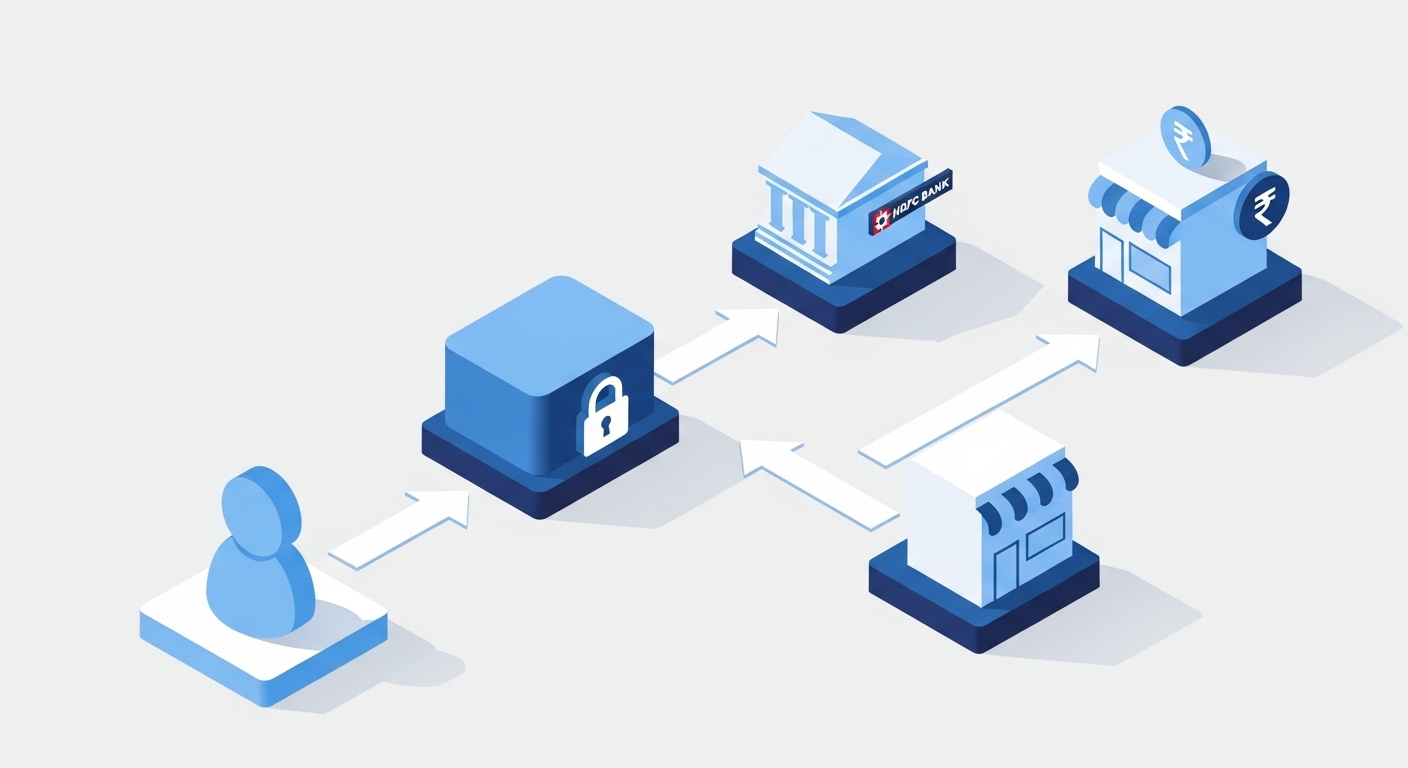
Have you ever wondered what happens behind the scenes when you buy something online? It might seem like magic, but there’s a clever system at work making sure your money gets from your bank to the shop safely and quickly. This guide will help you understand the journey your payments take, focusing on something called a ‘payment gateway’. It’s a key part of how we manage our money in today’s digital world.
What Exactly is a Payment Gateway?
Imagine a Digital Bridge for Your Money
Think of a payment gateway as a secure digital bridge. When you decide to buy something from an online shop, this bridge connects your bank account or payment card directly to the shop’s bank account. It’s not just any bridge, though; it’s a specially built, super-safe pathway that makes sure your money and personal details travel securely across the internet. Without this bridge, sending money online would be much more complicated and risky.
Why These Gateways Are So Important for Online Shopping
These digital bridges are absolutely vital for online shopping to work smoothly. They handle all the complex steps involved in processing your payment, from checking if you have enough money to making sure your details are protected from anyone who shouldn’t see them. They allow you to pay using various methods, such as debit cards, credit cards, or other digital payment options, making online transactions easy, fast, and reliable for everyone involved.
Your Payment’s Journey: From Your Click to the Merchant’s Account
Let’s follow your money on its journey, step by step, once you click that ‘buy’ button.
Step 1: You Choose to Buy
It all begins when you select an item you want to purchase on a website or app. You then proceed to the checkout and choose your preferred way to pay, perhaps with a debit or credit card.
Step 2: The Gateway Checks Your Details
After you enter your payment information, such as your card number and expiry date, the payment gateway securely gathers these details. It then encrypts them – which means it turns them into a secret code – and sends them off to be checked. This happens incredibly fast, often in just a few seconds.
Step 3: Your Bank Gives the Green Light
The encrypted information travels from the payment gateway to your bank (the one that issued your card). Your bank quickly checks two main things: first, that you have enough money or credit to make the purchase, and second, that your card is valid and hasn’t been reported lost or stolen. If everything looks good, your bank sends an approval message back.
Step 4: The Money Starts Moving
Once your bank gives its approval, the payment gateway receives this ‘green light’. It then sends an instruction for the money to be transferred from your account. While the actual money transfer might take a little longer to fully settle, the authorisation means the transaction is confirmed.
Step 5: The Merchant Gets Paid
Finally, the money moves from your bank, through various payment networks, and eventually arrives in the merchant’s bank account. You’ll usually see a confirmation message on the screen, letting you know your purchase was successful, and the shop can now prepare to send your items.
Who Helps Your Money Move Safely? The Key Players
Many different organisations work together to ensure your payments travel securely.
- You, the Customer: You are the person making the purchase and initiating the payment.
- The Merchant (The Shop You’re Buying From): This is the business selling you goods or services online.
- The Payment Gateway Provider: This company provides the secure ‘digital bridge’ that connects you to the merchant.
- Your Bank (The Issuing Bank): This is the bank that issued your payment card or holds your bank account. It checks your funds and authorises the payment.
- The Merchant’s Bank (The Acquiring Bank): This bank handles the payments for the merchant, receiving the money from your bank.
- The Card Networks (Like Visa or Mastercard): These are global networks that link all the banks and payment gateways together, allowing transactions to happen worldwide.
Keeping Your Payments Secure: Protecting Your Information
Security is paramount when dealing with your money online. Payment gateways use several important methods to keep your details safe.
Encryption: Locking Up Your Data
As mentioned earlier, encryption is like putting your sensitive information into a digital safe and scrambling the code so only the intended recipient can unlock it. This makes it extremely difficult for anyone else to read your details if they were to intercept them.
Fraud Prevention: Stopping Bad Guys
Payment gateways employ clever tools and systems that constantly look for unusual or suspicious activity. If a transaction seems out of the ordinary – for example, a very large purchase from a new location – these systems can flag it and even stop it to protect you from fraud.
Regulatory Standards: Rules for Safety
There are strict rules and guidelines that all payment gateways and banks must follow to ensure your financial data is handled with the highest level of care. These standards are set by official bodies, like central banks and financial regulators, to maintain trust and safety in the digital payment system.
Different Kinds of Payment Gateways You Might See
Not all payment gateways work in exactly the same way, and you might encounter a few different types when shopping online.
Redirect Gateways: Sending You to Another Page
With a redirect gateway, when you click to pay, you are temporarily taken away from the shop’s website to a secure payment page hosted by the gateway provider. After you enter your details and the payment is processed, you are then sent back to the shop’s website. This is a common and very secure method.
On-Site Gateways: Staying on the Merchant’s Website
Sometimes, you might enter your payment details directly on the shop’s website, without being redirected. In these cases, the payment gateway is still working behind the scenes, but it’s integrated more smoothly into the shop’s own page. This offers a seamless experience while still keeping your information secure.
App-Based Gateways: Paying Through Your Phone
If you often shop using mobile apps, you’re likely using an app-based gateway. These are built directly into the app, allowing you to make payments quickly and conveniently, often with just a few taps or even using biometric security like a fingerprint or face scan.
Bringing It All Together: Why Payment Gateways Matter
Making Online Shopping Easy and Safe for You
Ultimately, payment gateways are essential because they make online shopping incredibly easy and, most importantly, safe for you. They remove the worry about how your money is handled, allowing you to focus on finding the products you need and enjoying the convenience of digital commerce.
Helping Businesses Grow and Connect
For businesses, payment gateways are a crucial tool for growth. They enable shops to sell their products and services to customers anywhere in the world, around the clock. By providing a reliable way to accept payments, these gateways help businesses connect with more customers and thrive in the digital economy.
Author
