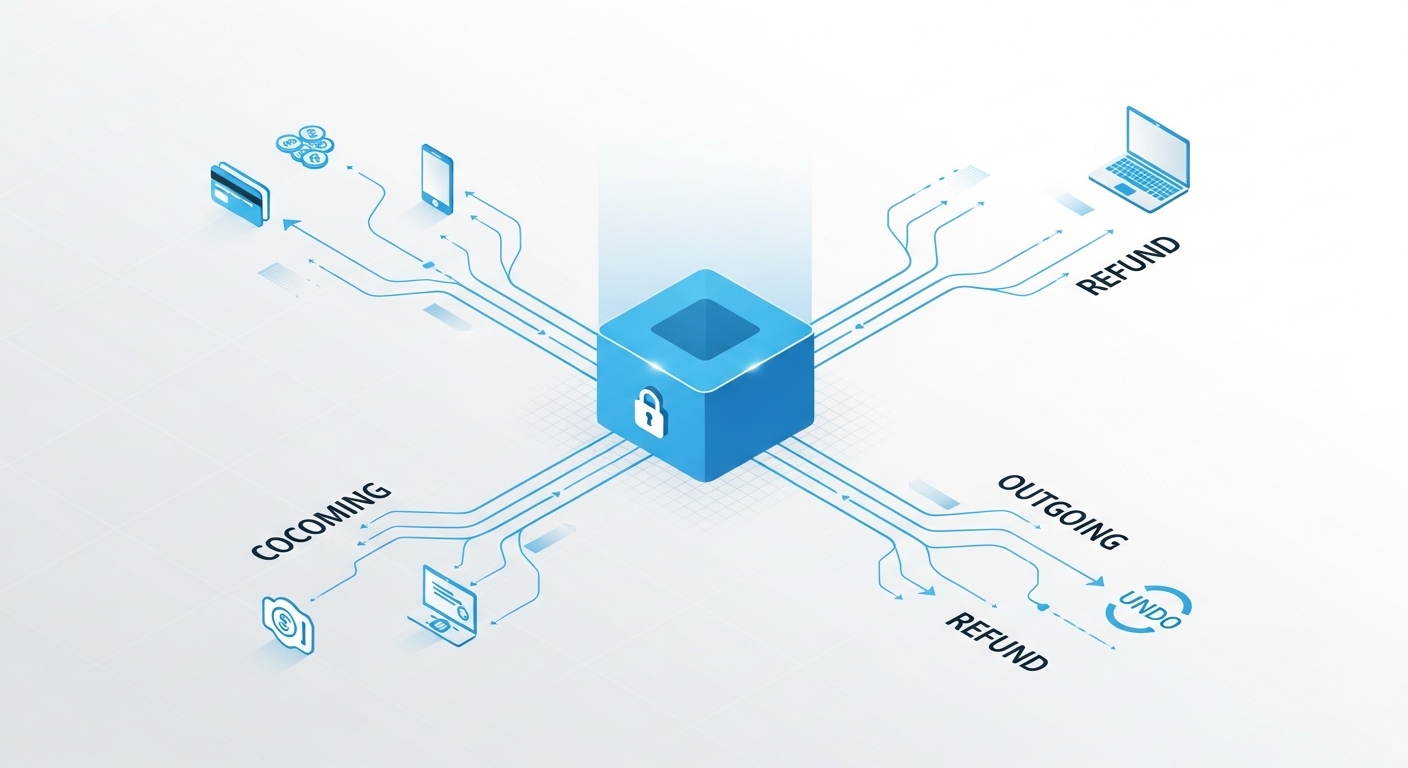
Have you ever wondered what happens behind the scenes when you buy something online? It might seem like magic, but there’s a clever system at work, making sure your money goes where it needs to, safely and smoothly. This system also helps if you ever need to get your money back. Let us explore how this works, so you can feel confident and secure when making digital payments.
What is a Payment Gateway, Really?
Think of a payment gateway as a digital bridge or a trusted helper that connects you, the shopper, to the online shop and your bank. It is the technology that makes sure your payment information travels securely from one place to another.
Your Digital Shopping Helper
Imagine you are at a physical shop, and you hand over money or your card to the cashier. The cashier then processes your payment. In the online world, a payment gateway does a very similar job. When you click “Pay Now” on a website, the payment gateway steps in as your digital cashier. It takes your payment details, checks them, and then sends them on a secure journey.
Connecting You to the Bank
The main job of a payment gateway is to act as a secure link. It connects the website where you are shopping to the banks involved – your bank, which holds your money, and the shop’s bank, which needs to receive the money. This connection happens incredibly fast, often in just a few seconds, making online shopping quick and convenient for you.
The Journey of Your Online Payment
Let us follow the path your money takes when you make an online purchase. It is a well-organised journey, designed for speed and security.
Choosing How You Pay
When you are ready to buy something online, you will usually see several options for how to pay. You might choose to use a debit card, a credit card, or perhaps a direct bank transfer service. You simply pick the method that suits you best.
The Gateway’s Quick Check
Once you have entered your payment details and clicked to confirm, the payment gateway immediately springs into action. It first performs a quick check to make sure all the details you have provided, like your card number or account information, seem correct and valid. This is a crucial first step in preventing errors or fraud.
Getting Approval from Your Bank
After its initial check, the payment gateway sends a request to your bank. This request asks your bank if it is okay to let the payment go through. Your bank then quickly checks if you have enough money in your account or enough credit available. If everything looks good, your bank sends an approval message back to the payment gateway.
Money Moving Safely
With your bank’s approval, the payment gateway makes sure the money is transferred securely from your account to the shop’s account. This transfer is protected by advanced security measures, like encryption, which scrambles your information so that only the authorised parties can read it. It is like sending your money in a super-secure, locked box.
Confirmation for Everyone
Finally, once the money transfer is complete and successful, the payment gateway sends a confirmation message. You will see a “Payment Successful” message on your screen, and the online shop also receives confirmation. This means your purchase is complete, and your item can now be prepared for delivery.
Why Security Matters So Much
The digital world holds a lot of personal information, and keeping it safe is incredibly important. When you make online payments, you are sharing sensitive details, so robust security is non-negotiable.
Protecting Your Information
Payment gateways use powerful encryption and other security technologies to protect your financial details. This means that your card numbers, bank account details, and personal information are kept private and safe from anyone who should not see them. Think of it as having a very strong digital lock on all your important data.
Rules and Safeguards for Your Peace of Mind
Governments and financial authorities, such as the Reserve Bank of India, set strict rules and standards that all payment gateways and online shops must follow. These rules are designed to protect you, the consumer, and ensure that all digital transactions are conducted fairly and securely. This gives you peace of mind, knowing that there are safeguards in place to look after your money and your information.
What Happens When You Need a Refund?
Sometimes, things do not quite go as planned with an online purchase. Perhaps you received the wrong item, or maybe it was damaged. In such cases, you will need a refund.
Understanding Refund Management
Refund management is the process of getting your money back when an online purchase is cancelled or returned. Just like payments, refunds also need a clear and secure process to ensure the money returns to the correct place. It is an essential part of a fair and trustworthy online shopping experience.
When You Might Ask for Your Money Back
There are several common reasons why you might request a refund:
- The item you ordered was damaged or faulty when it arrived.
- You received the wrong product, different from what you ordered.
- The service you paid for was not delivered as promised.
- You simply changed your mind, and the shop’s policy allows returns.
The Refund Process: Getting Your Money Back
Getting a refund also involves a few steps, and the payment gateway plays a role here too, helping your money travel back to you.
Your Request Starts It All
The refund process usually begins when you contact the online shop or merchant. You will explain why you need a refund and follow their specific instructions for returns or cancellations.
The Merchant’s Role in Refunds
Once the merchant agrees to your refund, they will initiate the process from their end. They tell their payment system that money needs to be sent back to you.
The Gateway Helps Again
Just like with the original payment, the payment gateway steps in to facilitate the refund. It receives the merchant’s instruction and then works to reverse the transaction, ensuring the funds are sent back to your original payment method.
Money Back to Your Account
The payment gateway sends the refund request to your bank. Your bank then processes this request and deposits the money back into the account or onto the card you used for the original purchase. It is important that the money returns to the exact same place it came from to ensure security and traceability.
How Long Does a Refund Take?
The time it takes for a refund to appear in your account can vary. While the refund process often starts quickly, it might take a few business days, typically between 5 to 7 working days, for the money to show up. This is because banks also need time to process the transaction and update your account balance. Sometimes, it can even take up to 10-14 days, depending on the banks involved and the specific payment method used.
Important Rules for Payments and Refunds
To ensure that online payments and refunds are always fair and safe for everyone, there are clear rules and guidelines in place.
Who Makes the Rules? (Like the Reserve Bank of India)
In India, organisations like the Reserve Bank of India (RBI) are very important. They are like the main referees for all financial activities, including digital payments. The RBI sets out rules and guidelines that all banks and payment service providers must follow. Other bodies, such as the National Payments Corporation of India (NPCI), also play a key role in developing and managing digital payment systems, ensuring they are robust and accessible. These rules cover everything from how transactions are processed to how your data is protected and how refunds should be handled.
Keeping Your digital payments Fair and Safe
These rules are there for a very good reason: to protect you. They ensure that payment systems are secure, transparent, and efficient. They also make sure that if something goes wrong, like an unauthorised transaction or a delayed refund, there are clear procedures for resolving the issue and protecting your rights as a consumer.
The Big Picture: Why This All Matters to You
Understanding how payment gateways and refunds work is more than just knowing technical details; it is about feeling confident and empowered in the digital world.
Making Online Shopping Easy and Trustworthy
When you understand these systems, you can appreciate how much effort goes into making online shopping easy, fast, and most importantly, trustworthy. Knowing that there are secure processes and strict rules in place allows you to shop online without unnecessary worry.
Knowing Your Rights as a Digital Buyer
Being aware of how payments and refunds are processed also means you know your rights. If you ever have an issue with an online purchase, you will understand the steps involved in seeking a resolution and getting your money back. This knowledge empowers you to make informed decisions and ensures you have a positive experience with digital payments.
Author
