

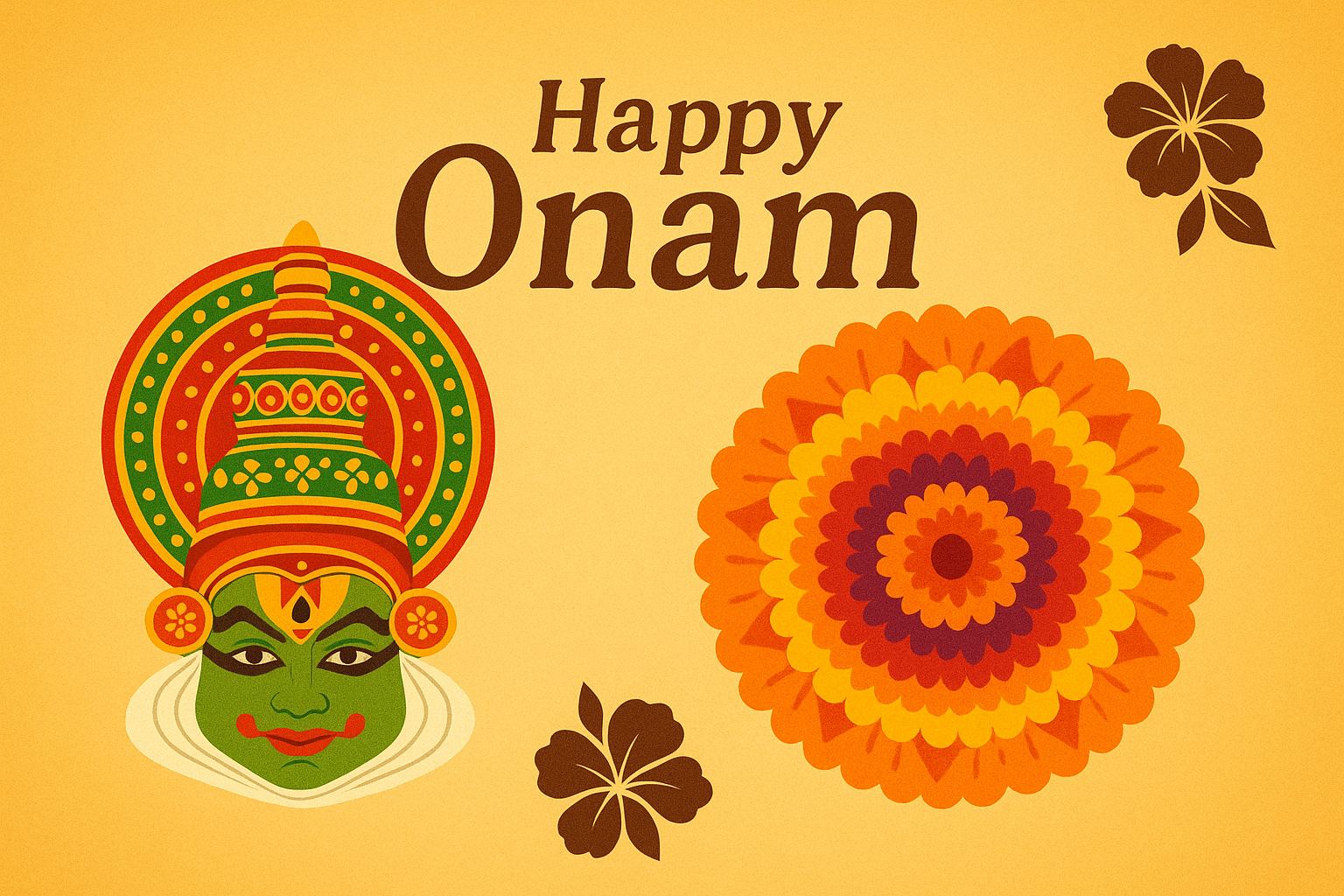
Onam, a harvest festival deeply woven into the cultural fabric of Kerala, is a time of immense joy and togetherness. It marks the revered annual visit of the mythical King Mahabali, whose reign is remembered as a golden era of prosperity and equality. This lively celebration brings families and communities closer, filling homes with warmth, laughter, and the aroma of traditional feasts.
This article will guide you through the significant dates, the captivating history, and the beautiful traditions, rituals, and celebrations that make Onam 2026 a truly special occasion. Prepare to immerse yourself in the profound history and festive spirit of Kerala’s most beloved festival.
Onam 2026: Dates and Timeline
Onam is a ten-day harvest festival celebrated in the Malayalam month of Chingam, which typically falls between August and September in the Gregorian calendar. The festivities begin with Atham and culminate on Thiruvonam, the most significant day, marking King Mahabali’s annual visit. While the core celebrations span ten days, some regions extend the festivities for a couple more days, making it a twelve-day event.
The exact dates for Onam are determined by the position of the Thiruvonam star in the Malayalam calendar. It is essential to consult reliable sources for precise dates each year.
| Day | Name | Date (2026) |
| Day 1 | Atham | 16th August 2026 |
| Day 2 | Chithira | 17th August 2026 |
| Day 3 | Chodi | 18th August 2026 |
| Day 4 | Vishakam | 19th August 2026 |
| Day 5 | Anizham | 20th August 2026 |
| Day 6 | Thriketta | 21st August 2026 |
| Day 7 | Moolam | 22nd August 2026 |
| Day 8 | Pooradam | 23rd August 2026 |
| Day 9 | Uthradom | 24th August 2026 |
| Day 10 | Thiruvonam | 26th August 2026 |
Quick Context: Official Onam Dates
Onam in 2026 will have Thiruvonam on 26th August. You can verify the exact dates for all ten days and beyond at drikpanchang.com or the official government holiday calendar for Kerala.
Understanding the Onam Calendar
The Malayalam calendar month of Chingam is when Onam is observed, aligning with the solar calendar. The festival’s commencement on Atham day is marked by the Atham Nakshatra, while the main day, Thiruvonam, occurs when the Thiruvonam Nakshatra is prevalent. This celestial alignment dictates the timing of the celebrations, ensuring adherence to ancient traditions.
The Profound History and Mythology of Onam
Onam’s roots reach deep into ancient Hindu mythology and agrarian practices, making it a festival of both spiritual and harvest significance. It commemorates the legend of King Mahabali, a benevolent Asura king who ruled Kerala with unparalleled justice, prosperity, and equality. His reign was considered a golden age, where his subjects lived in happiness and abundance.
The gods, however, grew concerned by Mahabali’s increasing power and popularity, fearing he might usurp their position. They sought the help of Lord Vishnu, who, to test Mahabali’s devotion and humility, took the form of Vamana, a dwarf Brahmin.
Common Confusion: Mahabali: Demon King or Benevolent Ruler?
While Mahabali is referred to as an ‘Asura’ (often translated as demon), in the context of Onam, he is celebrated as a righteous, charitable, and beloved king who brought immense prosperity to his kingdom. The story highlights his devotion to Vishnu and his selflessness, not malevolence.
The Legend of King Mahabali and Vamana
Vamana approached King Mahabali during a grand ritual and requested a seemingly modest gift: three paces of land. Despite warnings from his advisor, Mahabali, known for his generosity, readily agreed. Vamana then began to grow to an immense size, covering the entire Earth with his first step and the heavens with his second.
With no space left for the third step, Mahabali, in an ultimate act of humility and devotion, offered his own head to Vamana. Impressed by Mahabali’s selflessness, Lord Vishnu, revealing his true form, blessed the king and sent him to the netherworld (Patala). As a reward for his virtuous rule and devotion, Vishnu granted Mahabali the boon to visit his beloved people in Kerala once every year. This annual return is what the festival of Onam celebrates.
Enduring Traditions and Sacred Rituals of Onam
Onam is a spectacle of lively traditions and meaningful rituals that have been passed down through generations. These practices connect people to their cultural roots and build a strong sense of community. From intricate floral decorations to grand feasts and lively performances, each tradition plays a vital role in the celebrations.
- Pookalam: Intricate floral carpets are laid at the entrance of homes, growing in size daily, to welcome King Mahabali.
- Onam Sadhya: A lavish vegetarian feast served on banana leaves, featuring a multitude of dishes, symbolising abundance and unity.
- Vallam Kali (Boat Races): Thrilling snake boat races held in Kerala’s backwaters, showcasing teamwork and community spirit.
- Pulikali (Tiger Dance): Performers paint their bodies as tigers and hunters, dancing to traditional beats, primarily in Thrissur.
- Traditional Attire: People dress in traditional clothes like the Kasavu saree for women and Mundu for men, adding to the festive atmosphere.
Pro Tip: Embracing Eco-Friendly Onam
Consider using locally sourced flowers for your Pookalam and serving Onam Sadhya on traditional banana leaves instead of disposable plates to celebrate more sustainably.
The Significance of Pookalam and Onam Sadhya
The creation of Pookalam begins on Atham, the first day of Onam, with a small design using only yellow flowers. Each subsequent day, more layers and different flowers are added, making the Pookalam larger and more elaborate, symbolising growth and welcoming the spirit of King Mahabali. This artistic expression is a visual treat and a valued family activity.
The Onam Sadhya is arguably the heart of the festival, a grand vegetarian meal that represents the spirit of sharing and abundance. It typically includes 20 to 30 different dishes, such as rice, sambar, avial, thoran, various pickles, and several types of payasam (dessert), all served on a fresh banana leaf. Sharing this meal with family and friends strengthens bonds and reflects Kerala’s diverse culinary traditions.
Lively Celebrations and Community Spirit
Onam is a time when the entire state of Kerala, and Malayali communities worldwide, come alive with celebrations. It’s a period for communal gatherings, cultural performances, and family activities that reinforce unity and joy. The festival transcends religious boundaries, becoming a cultural celebration that unites people of all faiths.
Step 1: Participate in Athachamayam: The celebrations often kick off with Athachamayam, a grand procession in Thrippunithura featuring decorated elephants, traditional music, folk art forms, and colourful floats. Witnessing this parade is a fantastic way to experience the festival’s energetic start.
Step 2: Engage in Cultural Performances: Seek out traditional dance forms like Kathakali, Mohiniyattam, and Thiruvathirakali, which are performed widely during Onam. These performances narrate mythological stories and showcase Kerala’s profound artistic legacy.
Step 3: Enjoy Local Events: Many local communities organise fairs, cultural programmes, and competitions. These events often include traditional games, art exhibitions, and food stalls, offering opportunities to immerse yourself in the festive atmosphere.
Common Mistakes to Avoid During Onam
While Onam is a joyous occasion, it’s important to be mindful of local customs and traditions to ensure a respectful celebration. One common mistake is not being aware of the significance of the Onam Sadhya. It is considered disrespectful to waste food during this feast, which symbolises abundance. Always take only what you can eat and finish your meal.
Another point to remember is to dress modestly, especially when visiting temples or participating in traditional events. Onam is a traditional festival, and respectful attire is appreciated. Also, when eating the Onam Sadhya, use your right hand, as is customary in many parts of India.
Quick Context: Kerala Tourism
The Department of Tourism, Government of Kerala, is the official authority promoting and preserving the state’s cultural festivals, including Onam. Their website, keralatourism.org, provides valuable information on events and customs.
Onam’s Significance in Modern Times
Onam has evolved beyond its traditional and mythological origins to become a powerful symbol of Kerala’s unique cultural identity. It serves as an annual reminder of the enduring values of unity, generosity, and gratitude that are central to the state’s ethos. The festival encourages people to celebrate their shared heritage while embracing the diversity of contemporary society.
The spirit of Onam builds community bonding, bringing people together regardless of their background or faith. This inclusivity is a testament to the festival’s ability to unite and create a collective sense of belonging. The emphasis on harvest also highlights the importance of agriculture and nature’s bounty, a message that remains relevant currently.
Pro Tip: Experience Onam Authentically
To truly understand Onam, try to spend time with a local family or participate in community-organised events. This personal experience offers a deeper insight into the festival’s spirit than merely observing from afar.
Sources
- Wikipedia – Onam
- Britannica – Onam
- Kerala Tourism
- Drik Panchang
- The Art of Living – Onam
- Exotic India Art – Onam
- ArtsEmerson – Onam
- Wemy – Onam
- Vedantu – Onam
- Astrokalp – Onam
- Sri Sathya Sai Bal Vikas – Onam
- Obscura Kerala – Onam
- FirstReport.News – Onam Do’s and Don’ts
- SreesTours Official Blog About Kerala Tourism – Onam
Conclusion
Onam 2026 offers a beautiful opportunity to connect with the profound cultural legacy of Kerala, celebrating the enduring values of unity, prosperity, and gratitude. By understanding its history, participating in its traditions like the Pookalam and Onam Sadhya, and embracing the community spirit, you can truly immerse yourself in this special festival. Remembering the significance of King Mahabali’s annual visit and the harvest season allows you to appreciate the profound meaning behind every celebration.
Author

