

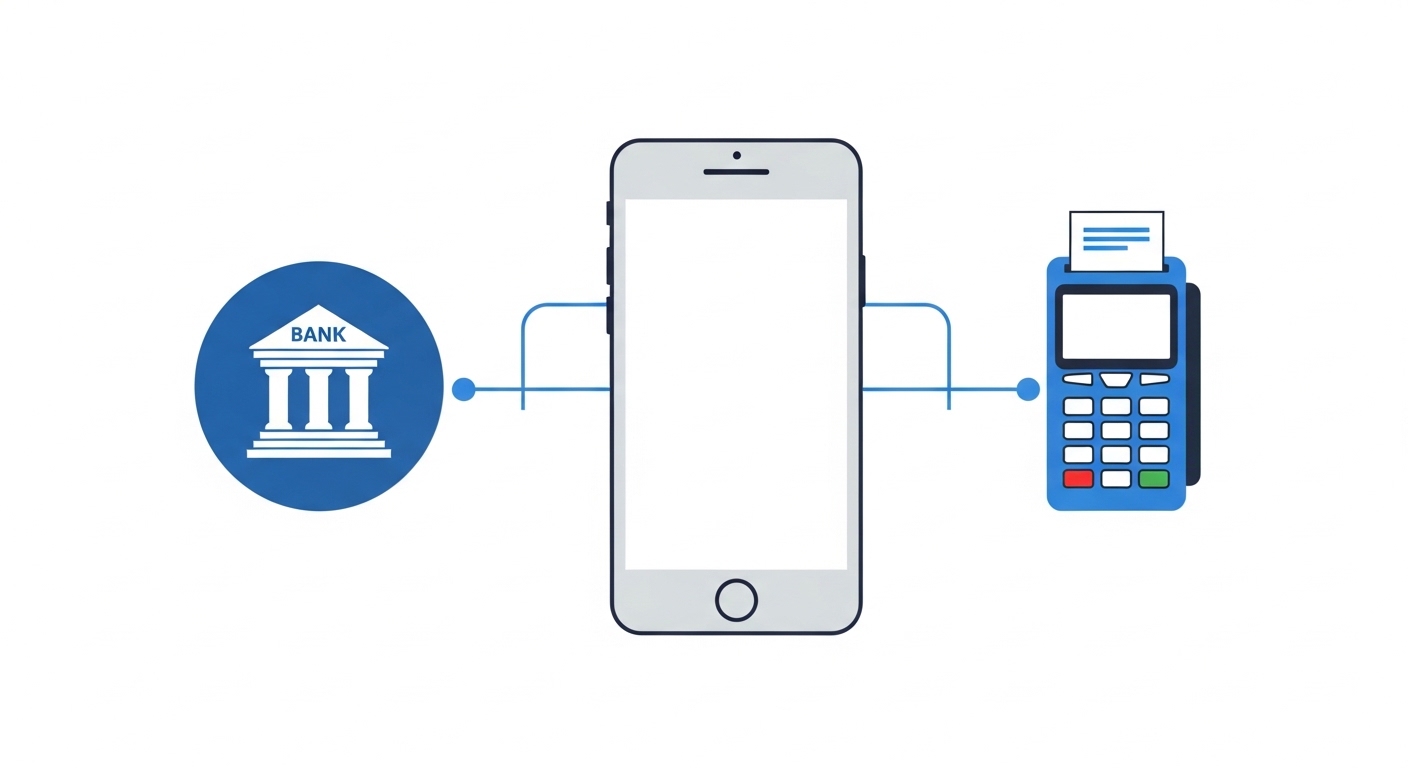
Paying for things has changed a lot over the years, hasn’t it? Gone are the days when coins and notes were your only options. Today, you have a fantastic range of choices, making your daily transactions easier and more secure. This guide will help you understand these modern ways to pay, so you can choose what works best for you.
Understanding Alternative Payments
What are Alternative Payment Methods, Really?
Think of alternative payment methods as all the ways you can pay for goods and services that aren’t traditional cash or a plastic card. These methods often involve digital technology, allowing you to complete transactions quickly and conveniently, whether you’re online or in a shop. They include things like digital wallets, direct bank transfers, and special payment systems designed for specific countries or regions.
Why More People are Choosing Different Ways to Pay
More and more people are opting for these alternative methods because they offer many benefits. They are often faster than counting out change or swiping a card, and they can be incredibly convenient, letting you pay with just a few taps on your phone. Many also come with advanced security features, giving you peace of mind. As our lives become more digital, it’s natural that how we pay also evolves to keep up with our busy, connected world.
Getting Started with Digital Wallets
What Exactly is a Digital Wallet?
A digital wallet is like a secure, virtual version of your physical wallet, stored on your smartphone, tablet, or computer. Instead of holding physical cards and cash, it safely stores your payment information, such as your debit or credit card details and bank account information. This means you don’t have to carry all your cards with you everywhere you go.
How Digital Wallets Help You Pay
Using a digital wallet is straightforward. You typically link it to your bank account or payment cards once. When you want to pay, you can often simply scan a code at a shop, tap your phone on a payment terminal, or select your digital wallet as a payment option when shopping online. It makes paying for things incredibly quick and easy, whether you’re buying a snack or shopping for clothes. Many digital wallets also allow you to send money directly to friends and family.
The Perks of Using a Digital Wallet
There are many great reasons to use a digital wallet. For starters, it’s very convenient; you usually have your phone with you, so your payment method is always at hand. They also offer enhanced security features, like encryption and fingerprint recognition, to protect your financial details. Plus, some digital wallets help you keep track of your spending, which can be really useful for managing your money.
Exploring Bank Transfers
What Happens During a Bank Transfer?
A bank transfer is a direct movement of money from one bank account to another. When you make a bank transfer, your bank sends funds electronically to the recipient’s bank account. This process ensures that the money goes directly from you to the person or business you intend to pay, without needing an intermediary like a card network.
Different Ways to Transfer Money Through Banks
In the UK, you have several ways to make a bank transfer. For everyday payments, you might use Faster Payments, which typically sends money almost instantly. For larger sums, or for payments that need to be processed on a specific day, you might use CHAPS (Clearing House Automated Payment System), which guarantees same-day transfers for a fee. You can usually initiate these transfers through your bank’s online banking portal, mobile app, or by visiting a branch.
When a Bank Transfer is Your Best Bet
Bank transfers are particularly useful for certain situations. They are often the preferred method for paying larger bills, such as rent, utilities, or school fees, because they offer a clear record of the transaction. They are also excellent for sending money to friends or family, especially if you know their bank account details. For planned, regular payments, setting up a Standing Order (a type of bank transfer) can be very convenient.
Discovering Local Payment Choices
What Makes a Payment Option “Local”?
A “local” payment option is one that is specifically designed for and widely used within a particular country or region. These methods are often tailored to the unique financial habits, regulations, and technological infrastructure of that area. They might be developed by national payment corporations or local banks, making them very familiar and accessible to people living there.
Why Local Payment Methods Matter to You
Local payment methods are important because they often align perfectly with your everyday needs. They are usually well-integrated into local businesses and services, making transactions smooth and straightforward. You might find that these methods offer lower transaction fees or are simply more familiar and trusted within your community. They can also support local economies by keeping transaction costs within the country.
Common Types of Local Payments
While we can’t name specific brands, common types of local payments include national instant payment systems that allow for real-time transfers between bank accounts, often via a unique identifier. Some countries also have their own widely accepted debit card networks or specific digital payment interfaces that are very popular for everyday transactions. These systems are typically backed by government initiatives or national banking associations.
Choosing the Right Local Payment for Your Needs
When deciding on a local payment method, consider where you are, what the merchant accepts, and what feels most comfortable and secure for you. If you’re shopping at a local market, a national instant payment system might be the easiest option. For online purchases from a local retailer, you might find a specific regional digital payment interface to be the most convenient. Always check for security features and ease of use.
Picking the Best Payment Method for You
Thinking About What Matters Most: Speed, Safety, or Simplicity?
When choosing how to pay, it’s helpful to think about what is most important to you for that specific transaction. Do you need the payment to go through instantly? Is security your top priority, especially for a large sum? Or do you simply want the easiest, most straightforward way to complete your purchase? Different payment methods excel in different areas.
When to Use Each Payment Method
- For quick, everyday purchases (like coffee or groceries): Digital wallets are often ideal due to their speed and convenience.
- For larger payments (like rent, bills, or transferring money to family): Bank transfers provide a secure, traceable, and reliable way to move significant amounts.
- For shopping at local businesses or using services within your country: Local payment choices can be very practical and widely accepted.
Keeping Yourself Safe While Paying Digitally
No matter which digital payment method you choose, keeping yourself safe is paramount. Always use strong, unique passwords and enable two-factor authentication whenever possible. Double-check transaction details before confirming a payment to ensure the amount and recipient are correct. Be wary of suspicious links or messages, and keep your device’s software updated to benefit from the latest security protections.
The Future of How We Pay
What’s Next for digital payments?
The world of digital payments is always evolving, and the future promises even more convenience and security. We can expect to see further integration of payment options into our daily lives, perhaps through even simpler ways to authenticate payments, like advanced biometrics. Innovations in technology will likely make transactions even faster, more seamless, and more globally connected, while maintaining robust security measures.
Staying Informed About Payment Innovations
As payment methods continue to advance, it’s a good idea to stay informed. Keep an eye on updates from your bank and reputable financial news sources. Understanding new features and security practices will help you make the most of emerging technologies and protect yourself from potential risks. Being knowledgeable about these innovations ensures you can always choose the best and safest way to manage your money.
Author

