

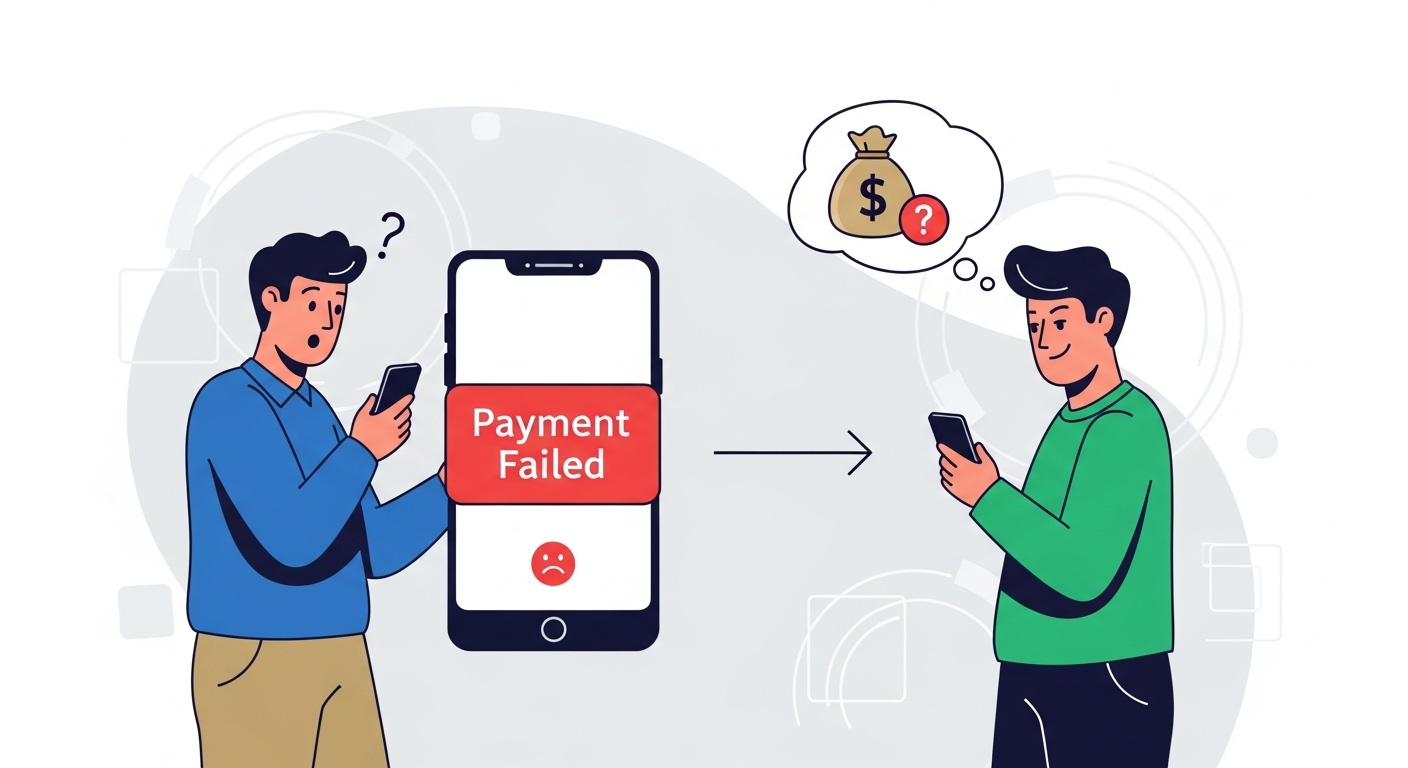
This guide highlights the dangers of fake digital payments, where fraudsters pretend to send money. Scammers use various tricks like fake screenshots and urgent requests. Key risks include financial loss, potential legal issues, and reputational damage. To stay safe, always verify payments directly with your bank, use official apps, and be cautious of unexpected requests. Report suspicious activity immediately and secure your personal details. Employ strong passwords and two-factor authentication for added protection.
In today’s fast-paced world, using digital payments has become a common and convenient way to handle money. Whether you are buying something online, paying a bill, or sending money to a friend, these methods make life much easier. However, just like with anything useful, there are people who try to misuse these systems. It is very important for you to understand the risks involved, especially when it comes to something called ‘fake digital payments’. This guide will help you recognise these tricks and protect yourself and your money.
What Exactly Are Fake Digital Payments?
Imagine someone tells you they have sent you money using a digital payment service, but the money never actually arrives in your account. This is the core idea behind a fake digital payment. It’s when someone pretends to have made a payment to you, often to trick you into giving them something in return, such as goods, services, or even your personal information. These fraudsters are very clever and use various methods to make their false claims seem real.How Scammers Try to Trick You
Scammers are constantly coming up with new ways to deceive people. Here are some common tricks they might use:- Fake Screenshots or Messages: They might send you a picture of a payment confirmation that looks very real, or a message pretending to be from your bank or a payment service, showing that money has been sent. However, these are often edited or completely made up.
- Urgent Requests: Scammers often try to rush you. They might say there’s a problem with the payment and ask you to quickly confirm something or send an item before you’ve had a chance to properly check if the money has arrived.
- Asking for Personal Details: Sometimes, they might pretend to be a customer service representative and ask for your bank account details, passwords, or other sensitive information under the guise of “fixing” a payment issue. Remember, legitimate services will never ask for your full password.
- Impersonating Others: They might pretend to be a trusted buyer, a government official, or even someone you know, all to convince you that their fake payment is real.
Why Should You Be Concerned About Fake Digital Payments?
You might wonder why this is such a big deal. Well, getting caught up in a fake digital payment scam can have several serious consequences, not just for your wallet but for your peace of mind and even your standing in the community.The Risk of Losing Your Money
The most direct danger is, of course, losing your hard-earned money. If you send off that item you sold online, or provide a service, based on a fake payment confirmation, you will never receive the money you were promised. This means you’ve lost your product or effort for nothing, and the scammer walks away with it for free.Facing Legal Issues and Penalties
Becoming involved in a fake payment scam, even by accident, can lead to serious problems. If you unknowingly help a fraudster by receiving or sending on money that isn’t real, you could be seen as being involved in money laundering or other illegal activities. This can result in legal investigations, fines, and even more severe penalties, which can be very distressing.Harming Your Business’s Reputation
If you run a business, your good name and the trust your customers have in you are incredibly important. Falling victim to fake payments can damage this reputation. If customers or suppliers find out you’ve been tricked, or if your business is unknowingly used in a scam, it can make others hesitant to deal with you in the future.The Stress and Trouble It Causes You
Dealing with a fake payment can be incredibly upsetting and time-consuming. You might spend hours trying to sort out the issue, contacting banks, and reporting the incident. The worry and frustration can take a toll on your mental well-being, making you feel anxious and vulnerable.Spotting Fake Digital Payments: Your Guide to Safety
The good news is that you can take many steps to protect yourself. Being aware and careful are your best defences.Always Double-Check Your Bank Notifications
Never rely solely on a text message, an email, or a screenshot someone sends you as proof of payment. Always, always check your own bank account or official payment app directly. Log in securely and confirm that the money has actually arrived and is available to you before you do anything else. If it’s not showing there, it hasn’t been paid.Relying Only on Official Payment Apps
Make sure you are only using the proper, official apps and websites for your digital payments. Download apps from trusted sources like official app stores, and always ensure the website address starts with “https://” and has a padlock symbol, which means it’s secure. Be wary of links sent to you that might lead to fake websites.Being Careful with Unexpected Requests
If someone asks you to do something unusual, like sending money back to them because they “accidentally overpaid,” or asking for your login details to “verify” a payment, be very cautious. These are common scam tactics. Legitimate transactions rarely involve such requests. Take a moment to think and verify before acting.What to Do If You Receive a Suspicious Payment
Even with all your care, you might still encounter a suspicious payment. Knowing what to do quickly can make a big difference.Reporting the Incident Right Away
If you suspect a fake payment, report it immediately. Contact your local cybercrime police unit or a national fraud helpline. Time is often very important here, as swift action can sometimes help in tracing the fraudsters or recovering funds. Provide them with all the details you have.Getting in Touch with Your Bank
Your bank is your first point of contact for any payment-related issues. Inform them about the suspicious activity on your account. They can help you understand if a transaction is legitimate, block suspicious activities, and guide you on the next steps to protect your account.Steps to Protect Your Personal Details
If you believe your personal details might have been compromised, it’s a good idea to change passwords for your bank accounts, email, and any payment apps you use. Keep a close eye on your bank statements for any unusual transactions. Consider setting up alerts for activity on your accounts.Staying Safe in the Digital Payment World
The digital payment world offers incredible convenience, and you can enjoy it safely by staying informed and alert.Tips for Secure Transactions
To keep yourself truly safe and confident when using digital payments, remember these key tips:- Use Strong Passwords: Always create unique and complex passwords for all your online accounts.
- Enable Two-Factor Authentication: This adds an extra layer of security, usually by sending a code to your phone, making it much harder for fraudsters to access your accounts.
- Monitor Your Accounts Regularly: Check your bank statements and payment app history often for any transactions you don’t recognise.
- Be Wary of Links and Attachments: Do not click on suspicious links or open attachments from unknown senders, as these can lead to fake websites or install harmful software.
- Keep Your Software Updated: Ensure your phone, computer, and all payment apps are always updated to the latest versions, as these updates often include important security improvements.
- Educate Yourself: Stay informed about the latest scams and security advice from official sources.
Author

