

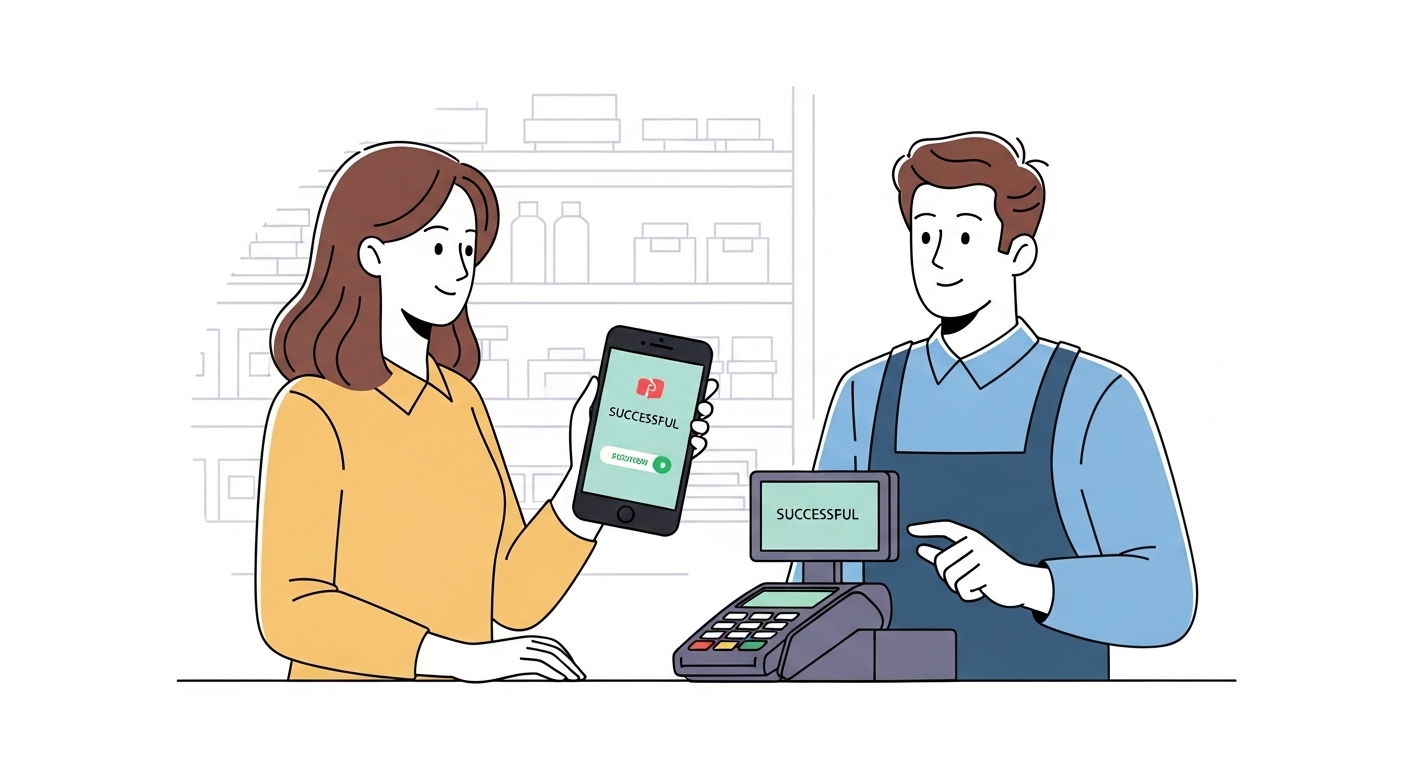
Creating a fake digital payment receipt is a serious criminal offence in India, considered cheating, fraud, and forgery. It falls under cybercrime laws, leading to substantial fines and imprisonment. This dishonest act causes financial losses and erodes trust in digital payment systems. Always verify payments by checking your bank account directly and waiting for official confirmations. Report any suspected fake receipts to protect yourself and others.
In today’s fast-paced world, digital payments have become a common and convenient way to pay for almost everything, from a quick snack to important government services. They make our lives easier and transactions quicker. However, with this ease comes the responsibility to use these systems honestly and correctly. You might wonder, “Is creating a fake digital payment receipt a serious matter?” The straightforward answer is yes, it is a very serious offence with significant legal consequences. It’s not just a small mistake; it’s considered a crime that can lead to severe penalties.
Understanding Digital Payment Receipts
Digital payment receipts are a fundamental part of our online transactions. They act as a digital proof that money has moved from one account to another. Understanding what makes a receipt real, and what makes it fake, is crucial for everyone using digital payment methods.What is a Real Digital Payment Receipt?
A real digital payment receipt is an official record generated automatically by your bank or the digital payment service you used, immediately after a transaction is successfully completed. Think of it as your digital proof of purchase or payment. It typically contains important details such as:- The exact amount of money transferred.
- The date and time the transaction took place.
- The unique transaction ID or reference number.
- The sender’s and receiver’s names or account details (often partially masked for security).
- The name of the bank or digital payment service provider.
What Makes a Receipt “Fake”?
A receipt becomes “fake” when it has been altered or entirely made up to look like a genuine transaction record, even though no actual payment occurred, or the details are incorrect. This can involve:- Editing a real receipt: Someone might take a screenshot of a genuine receipt and then use editing software to change the amount, date, or recipient’s name.
- Creating a new one from scratch: There are even apps or tools designed to generate receipts that look very convincing but are completely false.
Why Someone Might Create a Fake Receipt
People create fake digital payment receipts for various dishonest reasons, all of which involve trying to gain something unfairly or avoid a responsibility. It’s important to understand these motives to protect yourself from such scams.Tricking People for Goods or Services
One common reason is to trick someone into giving away goods or services without actually paying for them. Imagine you are selling something online, and a buyer sends you a fake receipt as “proof” of payment. If you don’t check your bank account properly, you might hand over the item, only to realise later that no money ever arrived. This leaves you out of pocket and without your item.Avoiding Payment for a Debt
Another reason is to avoid paying money that is owed. If someone owes you money, they might create a fake receipt to pretend they have already paid you back. This deception is an attempt to escape their financial obligation, leaving you without the funds you are rightfully due.The Serious Legal Consequences You Could Face
Creating or using a fake digital payment receipt is not a minor issue; it carries very serious legal consequences in India. The law treats such actions with great severity because they undermine trust and cause financial harm.It’s Considered Cheating and Fraud
In India, creating a fake digital payment receipt is considered an act of cheating and fraud. Cheating involves deceiving someone to gain a dishonest advantage, while fraud refers to intentional deception for personal gain or to cause loss to another. When you present a fake receipt, you are deliberately misleading someone to get goods, services, or to avoid paying, which directly falls under these definitions.The Crime of Forgery
The act of creating or altering a document with the intent to deceive is known as forgery. A digital payment receipt, even though it’s not a paper document, is still considered a valid record. Therefore, tampering with it or creating a false one to pass it off as genuine is a clear case of forgery. This crime is taken very seriously by the legal system.Falling Under Cybercrime Laws
Because these fake receipts are created and transmitted using digital means – such as smartphones, computers, and the internet – these actions also fall under India’s robust cybercrime laws. These laws are specifically designed to address offences committed in the digital world, ensuring that online dishonesty is punished just as severely as offline crimes.Potential Penalties: Fines and Imprisonment
The penalties for creating and using fake digital payment receipts can be very harsh. Depending on the specific details of the case, the amount of money involved, and the harm caused, individuals can face:- Substantial Fines: These can be very high, often thousands or even lakhs of rupees.
- Imprisonment: Offenders can be sent to jail for several years. The exact duration will depend on the severity of the fraud and the specific laws applied.
The Harm Caused by Fake Receipts
The impact of fake digital payment receipts goes far beyond just the immediate victim. It creates a ripple effect that harms individuals, businesses, and the entire digital payment ecosystem.Financial Losses for Individuals and Businesses
For individuals, falling victim to a fake receipt means losing money or goods without receiving payment. For businesses, especially small ones, these losses can be devastating. They might lose revenue, stock, and even customers if their reputation is damaged. These financial losses can hinder growth, reduce profits, and in some cases, even lead to businesses closing down.Eroding Trust in Digital Payments
Perhaps the most significant long-term harm is the erosion of trust in digital payment systems. If people constantly worry about being tricked by fake receipts, they will become hesitant to use digital payment methods. This lack of trust can slow down the adoption of digital transactions, which are essential for a modern, efficient economy. It undermines the hard work put in by financial institutions and the government to make digital payments safe and accessible for everyone.How You Can Stay Safe from Fake Receipts
Protecting yourself from fake digital payment receipts is simpler than you might think, but it requires vigilance and a few careful steps.Always Double-Check Your Bank Account
This is the most crucial step. Never rely solely on a screenshot or a message from the sender claiming they have paid. Instead, always open your own bank’s mobile app or log into your online banking portal to confirm that the money has actually arrived in your account. Look for the credit entry directly in your transaction history.Look for Official Confirmation Messages
Most legitimate digital payment services and banks send you an official SMS or an in-app notification when you receive money. These messages come directly from your bank or service provider, not from the person who sent the payment. Always wait for and verify these official confirmations.What to Do if You Spot a Fake
If you suspect or confirm that someone has sent you a fake digital payment receipt:- Do not proceed with the transaction: Do not hand over goods or provide services.
- Gather evidence: Keep the fake receipt, any messages, and contact details of the person who sent it.
- Report it: Immediately report the incident to the platform where the transaction was attempted (e.g., the online marketplace). More importantly, report it to the cybercrime authorities or your local police. They have the tools and legal authority to investigate.
The Bottom Line: Honesty and Digital Payments
The world of digital payments offers incredible convenience and efficiency, but it thrives on trust and honesty. Creating or using a fake digital payment receipt is a serious criminal offence with severe legal consequences, including hefty fines and imprisonment. Beyond the legal aspect, it harms individuals, businesses, and the collective trust in our digital financial systems. For your own safety and the integrity of digital transactions, always be vigilant, verify payments diligently, and never engage in any dishonest practices. Honesty remains the best policy, especially when dealing with money, whether it’s in physical cash or through digital means. By using digital payments responsibly, you contribute to a safer and more trustworthy financial environment for everyone.Author

