

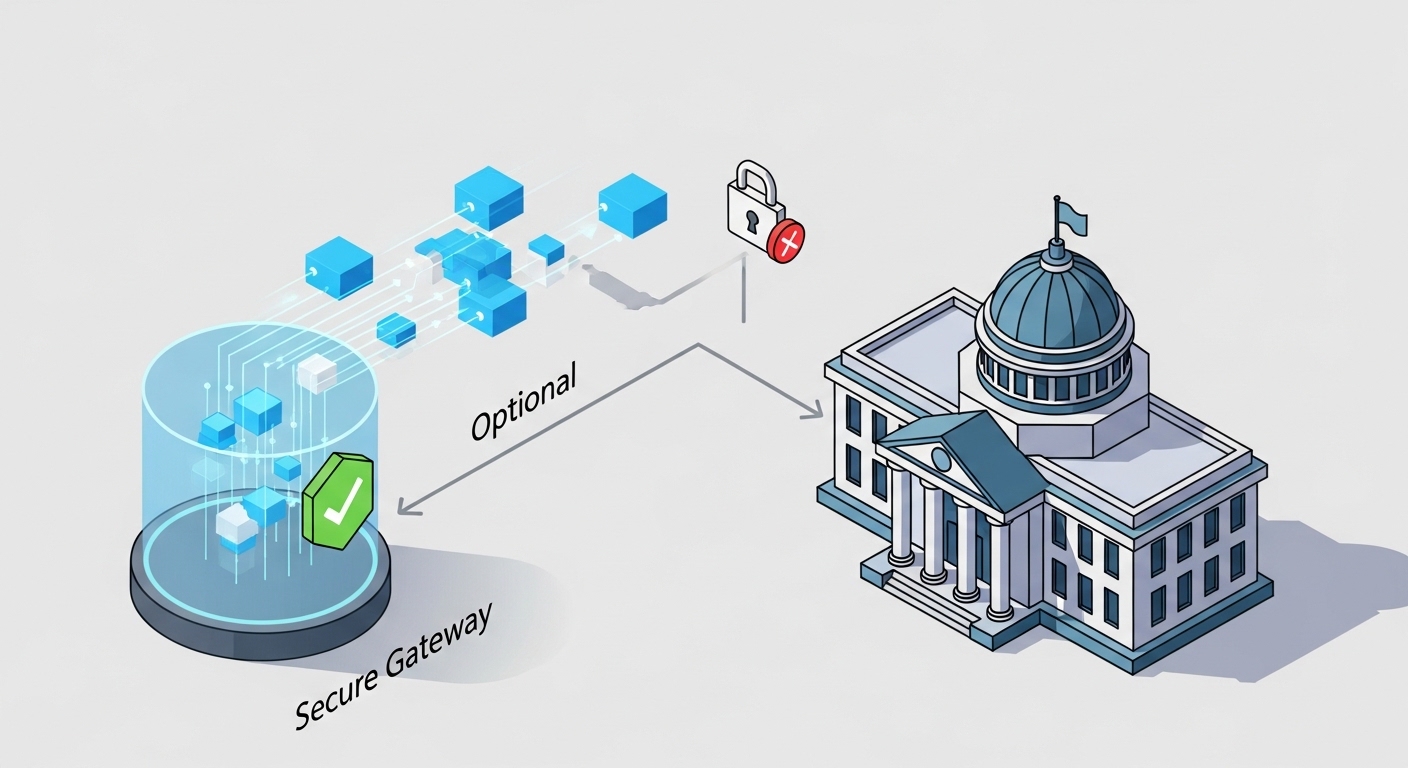
Digital government payments in India have seen remarkable growth, with the National Payments Corporation of India (NPCI) reporting over 11 billion transactions across various platforms in 2026. Despite this surge in digital adoption, many crucial government financial processes still rely on specific identifiers like the BSR code to ensure accuracy and accountability.
Understanding where and when this code is mandatory is essential for businesses and individuals alike. Incorrect usage can lead to significant delays in tax payments or other government dues, affecting your financial compliance and record-keeping.
Table of Contents
What Is a BSR Code?
A BSR code, or Basic Statistical Return code, is a unique seven-digit identifier assigned to every bank branch authorised to collect government taxes in India. The Reserve Bank of India (RBI) introduced these codes to streamline the reporting and reconciliation of tax collections. It ensures that every government payment can be traced back to its specific originating bank branch.
This system provides a robust framework for financial transparency and accountability within the government’s revenue collection processes. You’ll find this code essential when making various direct and indirect tax payments. It helps the government accurately track where funds are coming from and which bank handled the transaction.
Quick Context: BSR Code Purpose
The BSR code is a unique seven-digit identifier for bank branches, primarily used by the RBI to track government tax collections and ensure precise financial reporting across India.
Understanding the Seven Digits
The BSR code isn’t just a random number; it has a specific structure that conveys important information. The first three digits identify the bank itself, while the remaining four digits pinpoint the exact branch within that bank.
This unique numbering system prevents confusion and helps in quick identification during reconciliation processes. It’s a critical component in the vast network of government payment processing.
- The first three digits represent the specific bank (e.g., 001 for State Bank of India).
- The last four digits identify the particular branch of that bank.
- Each BSR code is unique, ensuring no two bank branches share the same identifier for government transactions.
- This structure aids the RBI in compiling accurate statistical data on tax collections.
Why Do Government Payments Use BSR Codes?
Government payments utilise BSR codes primarily for efficient tracking and accurate record-keeping of tax collections. When you pay your taxes, the BSR code acts as a digital fingerprint, linking your payment to the specific bank branch where the transaction occurred. This ensures that the funds are correctly attributed and reported to the government treasury.
Without these codes, reconciling the vast number of daily government transactions would be an incredibly complex and error-prone task. The system provides a clear audit trail, which is vital for both taxpayers and government agencies. It helps in preventing discrepancies and ensuring that your payment is properly credited.
Common Confusion: BSR Code Usage
The misunderstanding here is that all government payments automatically use a BSR code, regardless of the payment method
BSR codes are specifically for tax and certain government dues, especially when paying through traditional banking channels or specific online portals that require it. Many digital payment methods handle the backend tracking without you needing to manually enter a BSR code.
Tracking Tax Collections and Revenue Management
The BSR code is instrumental in enabling the government to track tax collections in real-time. This data is crucial for financial planning, budget allocation, and economic analysis. By knowing which bank branches are collecting what amounts, the RBI and other financial bodies can monitor revenue streams effectively.
This detailed tracking also helps in identifying any bottlenecks or issues in the tax collection process. It allows for timely adjustments to policies and procedures, ensuring the smooth flow of government revenue. Ultimately, it strengthens the financial integrity of the nation.
- Accurate Record Keeping: Ensures every tax payment is linked to the correct bank and branch, preventing misattribution.
- Efficient Reconciliation: Simplifies the process for government agencies to match payments received with bank deposits.
- Revenue Monitoring: Provides the RBI with real-time data on tax collections, aiding in economic forecasting and policy decisions.
- Audit Trail: Creates a clear and verifiable record for both taxpayers and the government, crucial for audits and financial transparency.
When You Must Use a BSR Code
You must use a BSR code when making direct tax payments, such as income tax, and for certain indirect taxes like Goods and Services Tax (GST). These codes are an integral part of the challan (payment voucher) generation process, whether you’re paying online or through a physical bank branch. The system is designed to ensure that your payment reaches the correct government account and is accurately recorded against your tax liabilities.
Ignoring or incorrectly entering the BSR code can lead to significant issues, including your payment not being recognised. It’s crucial to understand that for many government dues, the BSR code is not an optional field but a mandatory requirement for successful transaction processing. This ensures compliance with tax regulations and prevents future penalties.
Pro Tip: Always Verify BSR Codes
Before submitting any government payment, always cross-check the BSR code with your bank’s official website or the government’s tax portal. A small error can cause major payment delays and reconciliation issues.
Mandatory Scenarios for BSR Code Usage
For several specific types of government payments, the BSR code is absolutely essential. These include situations where the payment needs to be precisely tracked to a particular bank and branch for audit purposes. You’ll encounter this requirement frequently when dealing with central and state government taxes.
Understanding these mandatory scenarios helps you prepare your payment correctly the first time. It prevents the frustration of rejected payments or the need for time-consuming corrections later on. Always confirm if a BSR code is needed for your specific transaction.
- Direct Tax Payments: When paying income tax, corporate tax, or any other direct tax, the BSR code of the collecting bank branch is mandatory on the challan.
- Goods and Services Tax (GST): For GST payments made via challan, the BSR code of the bank processing the payment is a required field.
- Property Tax Payments: Depending on your municipal corporation and payment method, you might need the BSR code, especially for offline payments or specific online portals.
- Other Government Dues: Certain state government taxes, duties, or fees may also necessitate the use of a BSR code, so always check the specific payment instructions.
Situations Where BSR Codes Are Not Always Needed
While BSR codes are critical for many government payments, there are situations where you might not need to manually enter one. This often occurs with certain advanced digital payment methods or when dealing with non-tax related government transactions. Modern payment gateways frequently handle the underlying BSR code identification automatically, abstracting the detail away from you.
For instance, if you’re making a payment through a unified payment interface (UPI) or a net banking portal that directly integrates with government systems, the BSR code might be processed in the background. You won’t typically see a field asking for it. This makes the payment process simpler for the end-user while still ensuring the government receives the necessary tracking information.
Common Confusion: BSR Code Necessity
The belief is that BSR codes only matter if you’re paying taxes directly through the bank counter – but this is incorrect
While BSR codes are crucial for traditional bank payments, they are also embedded in many online tax payment processes. However, certain advanced digital payment methods may handle the BSR code automatically without you needing to enter it.
Digital Payment Methods and Non-Tax Transactions
Many digital platforms have streamlined the payment process, making the manual entry of a BSR code unnecessary for you. These systems are designed to be user-friendly, handling the complex banking identifiers behind the scenes. This is a significant convenience, especially for routine transactions.
Furthermore, not all government-related payments are tax-related. Payments for government scheme payouts, utility bills through government entities, or certain administrative fees might not require a BSR code. Always refer to the specific payment portal or instructions for clarity.
- UPI Payments: When paying government dues via UPI, the BSR code is usually handled by the payment system itself, and you won’t typically enter it.
- Direct Net Banking Integrations: If your bank’s net banking portal has a direct integration for specific government payments, the BSR code might be pre-filled or automatically applied.
- Government Scheme Payouts: Funds received from government schemes generally don’t require a BSR code from the recipient’s end.
- Non-Tax Related Fees: Payments for services like passport applications, driving licence fees, or land registration fees might not always demand a BSR code, depending on the payment gateway used.
How to Find Your Bank’s BSR Code
Finding your bank’s BSR code is a straightforward process, crucial for ensuring your government payments are correctly processed. The easiest way is often through official online channels, where information is readily available and updated. You’ll need this code whenever you generate a challan for tax payments.
Knowing where to look saves you time and prevents potential errors during the payment submission. Always aim to retrieve the code from a reliable source to guarantee its accuracy. This proactive step helps you maintain compliance.
Quick Context: BSR Code Location
You can typically find your bank’s BSR code on its official website, your bank statement, or by directly contacting your bank branch. Government payment portals also often provide a list of authorised banks with their codes.
Step-by-Step Guide to Locating Your BSR Code
The process for finding your BSR code is consistent across most banks and government portals. It usually involves accessing a specific section dedicated to tax payments or branch details. Following these steps ensures you retrieve the correct code for your transactions.
Step 1: Visit your bank’s official website and look for a section related to “Tax Payments,” “Government Payments,” or “Branch Locator.” Many banks provide a dedicated page listing their BSR codes for various branches.
Step 2: Check your bank statement or passbook, as some banks print the BSR code for your specific branch on these documents. This is a quick reference if you have a physical copy handy.
Step 3: Access the government’s tax payment portal, such as the Income Tax Department’s e-filing site or the NSDL website, where you can often find a list of authorised banks and their respective BSR codes. Select your bank and branch to retrieve the correct code.
Step 4: Contact your bank branch directly by phone or in person if you’re unable to find the code through online methods. The bank staff will be able to provide you with the correct BSR code for your specific branch.
The Importance of Using the Correct BSR Code
Using the correct BSR code is paramount for avoiding payment delays and ensuring your government dues are properly credited. An incorrect code can lead to your payment being rejected or, worse, misdirected to the wrong account. This can cause significant hassle and potential penalties for late payment.
Imagine submitting your income tax payment with an incorrect BSR code; the tax department might not recognise your payment, leading to notices or fines. It’s not just about making the payment, but ensuring it’s accurately recorded against your liabilities. Double-checking this seven-digit number can save you a lot of trouble.
Pro Tip: Keep Payment Records
Always download and save the challan counterfoil or payment receipt after making a government payment. This document contains the BSR code and other crucial details, serving as proof of your transaction.
Preventing Delays and Ensuring Proper Credit
The entire system of BSR codes is designed to facilitate quick and accurate reconciliation of government funds. When you use the right code, your payment moves smoothly through the banking system and is correctly reported to the relevant government department. This ensures that your tax compliance status remains clear.
Conversely, an incorrect BSR code can trigger a manual review process, which significantly delays the crediting of your payment. This delay can have serious implications, especially if you’re approaching a tax deadline. Always confirm the BSR code to ensure your payment counts when it should.
| Scenario | Impact of Correct BSR Code | Impact of Incorrect BSR Code |
| Income Tax Payment | Payment is instantly recognised and credited to your tax account. | Payment may be rejected or delayed, potentially leading to late payment penalties. |
| GST Challan Submission | Challan is processed, and your GST liability is reduced accurately. | Challan processing fails, requiring manual intervention and delaying GST compliance. |
| Property Tax Payment | Payment is correctly recorded by the municipal body, avoiding disputes. | Payment may not be attributed to your property, leading to outstanding dues and notices. |
Ensuring Smooth Government Payment Transactions
To ensure your government payment transactions are always smooth and hassle-free, you must adopt a meticulous approach. Double-checking all details before final submission is a non-negotiable step. This includes not only the BSR code but also your tax identification number, assessment year, and the payment amount.
Keeping thorough records of every transaction is equally important. These records serve as your proof of payment and are invaluable in case of any future discrepancies or queries from tax authorities. A little effort upfront can prevent major headaches later on.
Common Confusion: Transaction Error Resolution
It is commonly assumed that any payment error will automatically be rectified by the bank or government
While banks and government bodies have processes for error resolution, it’s primarily your responsibility to ensure correct details are entered. Incorrect payments often require you to initiate and follow up on correction requests, which can be time-consuming.
Best Practices for Government Payments
Following a few best practices can significantly reduce the chances of errors and ensure your government payments are always processed efficiently. These habits build a strong foundation for financial compliance and peace of mind. You’ll find that a structured approach saves time and stress.
- Double-Check All Details: Before clicking ‘submit’ or handing over a challan, carefully review the BSR code, amount, assessment year, and your PAN/TAN.
- Keep Payment Records: Always download, print, or save the e-challan counterfoil or payment receipt. This document is your official proof of payment.
- Use Official Portals: Make payments only through government-authorised websites or your bank’s official net banking portal to avoid fraudulent sites.
- Seek Bank Assistance: If you’re unsure about any detail, especially the correct BSR code or payment process, don’t hesitate to contact your bank for clarification.
Conclusion
Understanding when and where the BSR code is essential for government payments is crucial for maintaining your financial compliance in 2026. This unique seven-digit identifier ensures that your tax payments are accurately tracked and credited, preventing costly delays and penalties. By diligently verifying the BSR code and keeping detailed records, you’re safeguarding your financial standing and contributing to a transparent tax system.
Author

