

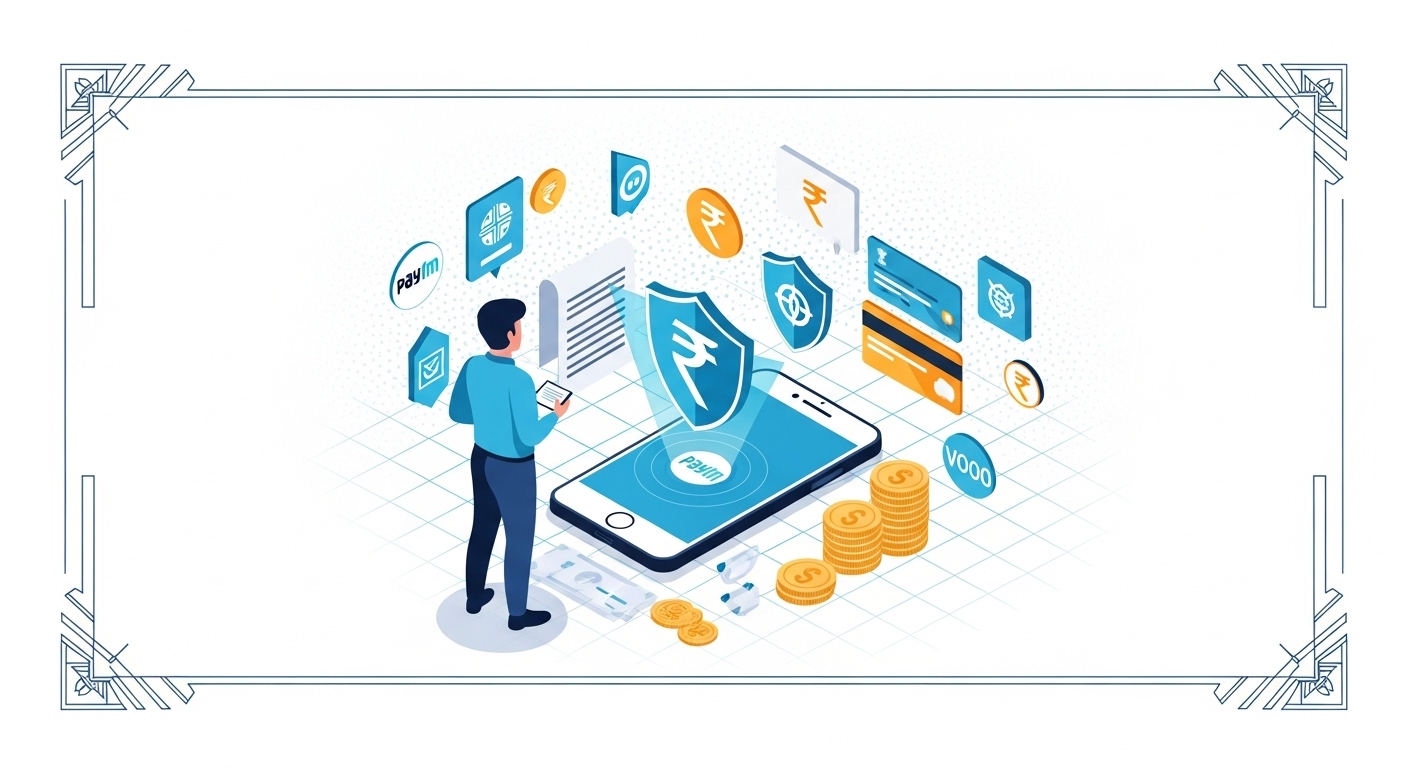
A young professional in Bengaluru, always wondering where her salary disappeared each month, felt frustrated. Despite earning well, she often found herself short of funds before payday, making it hard to save for her dreams. She knew she was spending, but couldn’t quite put her finger on the ‘why’ or the ‘where’.
This guide will show you how to use your digital payment summaries to uncover your spending habits, helping you make smarter choices. You’ll discover how to track your money, identify areas for improvement, and build a stronger financial future for yourself.
Table of Contents
What Is a Digital Payment Summary?
Your digital payment summary provides a detailed, categorised record of your digital transactions, managed by your payment service provider. It works by automatically logging every spend you make, whether it’s for groceries, bills, or entertainment, and then organising this data for easy review.
Typically, these summaries are updated in real-time, allowing you to see recent transactions almost instantly. Failing to regularly review your digital payment summary means you’re missing a crucial tool for financial health, potentially leading to overspending and missed savings opportunities.
You can usually access this vital information directly through your payment app’s ‘History’ or ‘Passbook’ section.
Why Is Understanding Your Spending Important?
Understanding where your money goes is the first step towards taking control of your finances. You might feel like your salary just vanishes, but a clear overview helps you see exactly what’s happening. This insight lets you make informed decisions about your financial future.
It’s about more than just numbers; it’s about peace of mind. When you know your spending patterns, you can plan better and reduce financial stress. You’re building a foundation for lasting financial stability.
Knowing Where Your Money Goes
Think about it: do you really know how much you spend on food delivery each month, or on subscriptions you rarely use? Many people don’t, and that’s perfectly normal. Your digital payment summary changes this by providing a clear, itemised list of every transaction you’ve made.
This detailed record helps you spot exactly where your money is flowing. You might be surprised to find out how small, everyday purchases add up over time. Knowing these details puts you in the driver’s seat of your financial life.
Quick Context: The Power of Transparency
Your digital payment summary offers complete transparency into your financial activities, showing every debit and credit. This clarity is essential for effective money management.
Making Smart Financial Decisions
Once you understand your spending habits, you can start making smarter choices. You’re no longer guessing about your budget; you’re working with real data. This allows you to set realistic spending limits and allocate funds more effectively.
For example, if you see you’re spending too much on entertainment, you can consciously reduce that amount next month. This isn’t about deprivation, but about prioritising what truly matters to you. You’re aligning your money with your personal goals.
Building Good Money Habits
Regularly reviewing your digital payment summary helps you build strong, lasting money habits. It encourages you to be more mindful with each purchase, knowing it will appear in your record. This consistent practice fosters financial discipline.
You’ll develop a habit of checking your balances and categorising your expenses, which are vital skills for long-term financial health. These small, consistent actions lead to significant improvements over time. It’s like exercising for your finances.
What Does Your Digital Payment Summary Show You?
Your digital payment summary is more than just a list of transactions; it’s a comprehensive financial diary. It organises your spending in a way that makes it easy to understand and act upon. You’ll find it an invaluable tool for managing your daily finances.
This summary provides a complete picture of your financial flow, from small purchases to larger investments. It removes the guesswork from budgeting and allows for precise financial planning. You’re getting a clear snapshot of your money’s journey.
A Record of Your Transactions
Every time you make a digital payment, that transaction is instantly recorded in your digital payment summary. This creates a chronological history of all your financial activities. You can see the date, time, amount, and often the merchant for each payment.
This detailed record is incredibly useful for reconciling your accounts or checking for any unauthorised transactions. It acts as your personal financial ledger, always available at your fingertips. You won’t have to rely on memory alone.
Common Confusion: Transaction History Details
A widespread myth is that your digital payment summary only shows successful transactions.
Your digital payment summary actually records all attempts, including failed or pending transactions, along with their status updates. This comprehensive view helps you track every financial interaction.
Details of Money Spent
Beyond just the amount, your summary often provides additional details about your spending. This could include the category of the expense, like “Groceries,” “Utilities,” or “Transport.” Some platforms even show the exact item purchased, if available from the merchant.
These details help you understand the context of your spending, making it easier to identify trends. You’re not just seeing numbers; you’re seeing where your money truly goes. It provides a narrative to your financial story.
Organised Spending Categories
One of the most powerful features of your digital payment summary is its ability to categorise your spending. Many digital payment apps automatically sort your transactions into predefined categories. This gives you an immediate overview of your spending in different areas.
You can quickly see how much you’ve spent on food versus entertainment, or on bills versus shopping. This categorisation is crucial for effective budgeting and spotting areas where you might be overspending. It makes complex financial data simple to grasp.
Pro Tip: Customise Your Categories
If your payment app allows, create custom categories that truly reflect your spending habits. This makes your summary even more relevant and actionable for your personal financial goals.
Finding Your Transaction History
Accessing your transaction history is typically a straightforward process designed for user convenience. Most digital payment platforms prioritise easy access to this information, understanding its importance to you. You’ll find it’s just a few taps away.
Knowing how to quickly find your history means you can check on payments whenever you need to. This immediate access empowers you to stay on top of your finances without delay. You’re always informed and in control.
Simple Steps to View
Viewing your transaction history usually involves navigating to a specific section within your payment app. Look for options like “History,” “Passbook,” or “Transactions” on the main screen or within the menu. These are common labels for this feature.
Once you’ve found the right section, you’ll typically see a list of your most recent transactions. You can often filter these by date, type, or even search for specific merchants. It’s designed to be intuitive and user-friendly.
Step 1: Open your preferred digital payment application on your smartphone or device.
Step 2: Look for the ‘History’ or ‘Passbook’ icon, usually located at the bottom of the screen or within the main menu, and tap on it.
Step 3: You’ll then see a list of your recent transactions, which you can often scroll through or use filters to refine your search.
Checking Past Payments
Your transaction history isn’t limited to just recent activities; it typically stores records for extended periods. You can usually view payments made weeks, months, or even years ago. This long-term view is essential for tracking progress or reviewing past expenses.
To access older transactions, you might need to adjust the date range filters within the history section. This feature is particularly useful for tax purposes or when you need to recall a specific purchase. You’re able to delve deep into your financial past.
| Timeframe | Purpose | Benefit |
| Daily/Weekly | Spot immediate trends | Quick adjustments to spending |
| Monthly | Budget review | Assess category overspends |
| Annually | Financial planning, taxes | Long-term goal tracking, tax preparation |
Reviewing Daily Activities
Making a habit of reviewing your daily activities in your summary can significantly improve your financial awareness. Just a quick glance each day helps you keep track of where your money is going in real-time. You’re proactively managing your funds.
This daily check can prevent surprises and help you stay within your budget. It’s a simple, effective way to maintain financial discipline without much effort. You’re building a routine that benefits your financial health.
How Your Digital Payment Summary Helps You Spend Wisely
Your digital payment summary is a powerful tool for cultivating wise spending habits. It transforms raw transaction data into actionable insights, helping you identify areas for improvement. You’re moving from reactive spending to proactive financial management.
This detailed overview empowers you to make conscious choices about your money. It’s not just about cutting back, but about ensuring your spending aligns with your values and goals. You’re gaining clarity and control.
Spotting Unnecessary Expenses
One of the biggest advantages of your summary is its ability to highlight expenses you might not even realise you’re making. Those small, recurring subscriptions or impulse purchases can quickly add up. Your summary makes them impossible to ignore.
By reviewing your categories, you can easily spot where you’re spending on things you don’t truly need or use. This awareness allows you to cancel unused subscriptions or reconsider frequent small indulgences. You’re eliminating financial leaks.
Common Confusion: Scope of Review
The misunderstanding here is that reviewing your digital payment summary is only for finding big mistakes.
While it does help with that, its primary power lies in revealing patterns of small, unnecessary expenses that add up significantly over time.
Identifying Spending Patterns
Your digital payment summary helps you uncover your unique spending patterns over time. You might notice that you tend to overspend on weekends, or that certain times of the month are more expensive for you. These patterns are crucial for budgeting.
Understanding these trends allows you to anticipate future expenses and adjust your budget accordingly. You can prepare for predictable spending spikes and avoid financial surprises. You’re learning the rhythm of your own money flow.
Planning Future Purchases
With a clear understanding of your income and expenditure, you’re better equipped to plan for future purchases. Whether it’s a new gadget, a holiday, or a down payment for a home, your summary helps you see what’s achievable. You’re setting realistic financial targets.
Saving for a big goal, like buying your first home, becomes much clearer when you track your spending. The Pradhan Mantri Awas Yojana (PMAY) scheme, for instance, offers credit-linked subsidies to eligible urban poor and middle-income groups, making homeownership more accessible (pmaymis.gov.in, 2026). Your mindful spending helps you qualify for such schemes.
Pro Tip: Set Spending Limits
Use the insights from your summary to set realistic spending limits for each category. Many apps even allow you to track against these limits, providing real-time feedback.
Reaching Personal Financial Goals
Ultimately, using your digital payment summary helps you work towards your personal financial goals. Whether it’s saving for retirement, paying off debt, or building an emergency fund, every wise spending decision contributes to these objectives. You’re actively shaping your financial future.
It provides the data you need to measure your progress and stay motivated. Seeing how your disciplined spending contributes to your savings goals is incredibly rewarding. You’re turning aspirations into achievements.
Making Mindful Choices with Your Data
Having access to your spending data is one thing; actually using it to make mindful choices is another. This section guides you on how to actively engage with your summary to foster better financial habits. You’re transforming information into action.
It’s about being intentional with your money, rather than letting it slip away unnoticed. You’re taking a proactive stance in managing your finances, ensuring every rupee serves a purpose. This approach leads to greater financial control.
Setting a Spending Plan
The first step after reviewing your summary is to create a spending plan, or budget. Based on what you’ve learned about your habits, allocate specific amounts for different categories. This gives you a roadmap for your money.
For instance, if you usually spend ₹10,000 on groceries, you might aim to reduce it to as per the latest official guidelines next month. This plan isn’t rigid; it’s a flexible guide that you can adjust as needed. You’re giving every rupee a job.
Reviewing Regularly Your Digital Payment Summary
Mindful spending isn’t a one-time activity; it’s an ongoing process. Make it a habit to review your digital payment summary regularly, perhaps once a week or bi-weekly. This consistent check-in keeps you accountable and aware.
Regular reviews allow you to catch any overspending early and make immediate adjustments. You don’t want to wait until the end of the month to discover a problem. You’re maintaining constant vigilance over your finances.
Prioritising Needs Over Wants
Your summary helps you clearly distinguish between your needs and your wants. Needs are essential expenses like rent, food, and utilities.
Wants are discretionary items like dining out, new clothes, or entertainment. You’re learning to differentiate.
When you see your spending laid out, it becomes easier to prioritise. You can consciously choose to reduce spending on wants to ensure your needs are always met, and that you’re saving for your goals. This shift in mindset is powerful.
Common Confusion: Enjoyment vs. Saving
Spending less means you’ll miss out on fun experiences.
Mindful spending isn’t about cutting out all enjoyment; it’s about making deliberate choices to ensure your spending aligns with your values, allowing for planned indulgences.
Saving for Important Things
With a clear picture of your finances, saving for important things becomes much more achievable. Whether it’s an emergency fund, a child’s education, or retirement, your summary helps you carve out funds consistently. You’re building a secure future.
You can identify areas where you can cut back a little to increase your savings contributions. This targeted approach to saving is far more effective than just hoping to have money left over. You’re intentionally building wealth.
Read More
How to approve UPI payment in Paytm?The Benefits of Mindful Spending
Embracing mindful spending habits, powered by your digital payment summary, brings a wealth of benefits beyond just saving money. It transforms your relationship with your finances, leading to a more secure and less stressful life. You’re investing in your future self.
These benefits ripple through various aspects of your life, improving your overall well-being. It’s a holistic approach to financial health that pays dividends for years to come. You’re gaining more than just rupees.
Greater Financial Control
The most immediate benefit is a profound sense of financial control. You’re no longer passively watching your money disappear; you’re actively directing its flow. This control reduces anxiety and builds confidence.
You’ll feel more secure knowing exactly where your money stands at any given moment. This sense of mastery over your finances is incredibly empowering. You’re becoming the master of your money, not its servant.
Reduced Money Worries
Mindful spending significantly reduces common money worries. When you have a clear budget and track your expenses, financial surprises become less frequent. You’re prepared for unexpected costs and planned expenditures alike.
This proactive approach means you’re less likely to run out of money before payday or face unexpected debt. You’re building a buffer against financial stress. You’re replacing worry with peace of mind.
Pro Tip: Automate Savings
Once you’ve identified how much you can save, set up automatic transfers from your primary account to a savings account immediately after payday. This “pay yourself first” strategy ensures consistent savings.
A More Secure Future
Ultimately, mindful spending contributes to a more secure financial future for you and your family. By consistently saving and making smart financial choices, you’re building wealth and stability over time. You’re laying the groundwork for long-term prosperity.
This security allows you to pursue larger life goals, whether it’s buying a home, funding education, or enjoying a comfortable retirement. You’re creating opportunities and safeguarding against future uncertainties. You’re building a legacy of financial wisdom.
Conclusion
Using your digital payment summary is a simple yet powerful way to gain clarity and control over your money. By regularly reviewing your spending, you can easily spot unnecessary expenses and align your finances with your true priorities. This mindful approach helps you save more effectively for important goals, like a new home or education, ensuring a more secure financial future.
How To Download Your UPI Statement On Paytm
How can I access my digital payment transaction history?
What specific financial information does a digital payment summary provide?
Can I track my spending patterns over a long period using my digital payment history?
Why is regularly reviewing my digital payment summary crucial for financial well-being?
What are the key advantages of using a digital payment summary compared to traditional budgeting methods?
Is my financial data secure when stored in my digital payment summary, and how can I protect it?
What if I find recurring expenses I don't recognise in my digital payment summary?
How can I effectively differentiate between 'needs' and 'wants' when reviewing my digital payment summary?
Author

