In today’s digital world, paying for things online has become a normal part of our lives, whether you are buying a new book, paying a bill, or ordering something special. It is incredibly convenient, but it also means we share our personal card details over the internet. You might wonder how safe this truly is. The good news is that many clever systems and rules are in place to keep your money and information safe. This guide will help you understand these safeguards and how you can play your part in staying secure.
Understanding How online payments Work Safely
When you make an online payment, a lot happens behind the scenes very quickly to ensure your transaction is both successful and secure.
What is a payment gateway and why do we use it?
Think of a payment gateway as a secure digital post office for your money. When you click “pay” on a website, the payment gateway is the service that safely takes your card details from the website to your bank and then brings back the message saying if your payment was approved or not. It acts as a middleman, making sure all the sensitive information is encrypted and sent securely between you, the shop, and the banks involved. We use it because it’s a super-fast, reliable, and secure way to handle money transfers online, protecting your details from prying eyes.
Why keeping your card information safe is incredibly important
Your card information, such as your card number, expiry date, and the special security code, is like a key to your bank account. If someone else gets hold of these details, they could potentially use your money without your permission. Protecting this information is crucial for your financial safety and to prevent anyone from making unauthorised purchases or even pretending to be you.
The risks if your card details aren’t protected
If your card details fall into the wrong hands, you could face several problems:
- Unauthorised Purchases: Someone might use your card to buy things online, leaving you to deal with unexpected charges.
- Identity Theft: In more serious cases, criminals could use your card details along with other personal information to pretend to be you, which can cause a lot of trouble to sort out.
- Financial Loss: While banks often have systems to help you recover stolen funds, it can still be a stressful and inconvenient experience.
Introducing Tokenization: A Clever Way to Guard Your Card
To make online payments even safer, a smart technology called “tokenization” has been developed. It’s a bit like giving your card a secret disguise!
What tokenization truly means for your payments
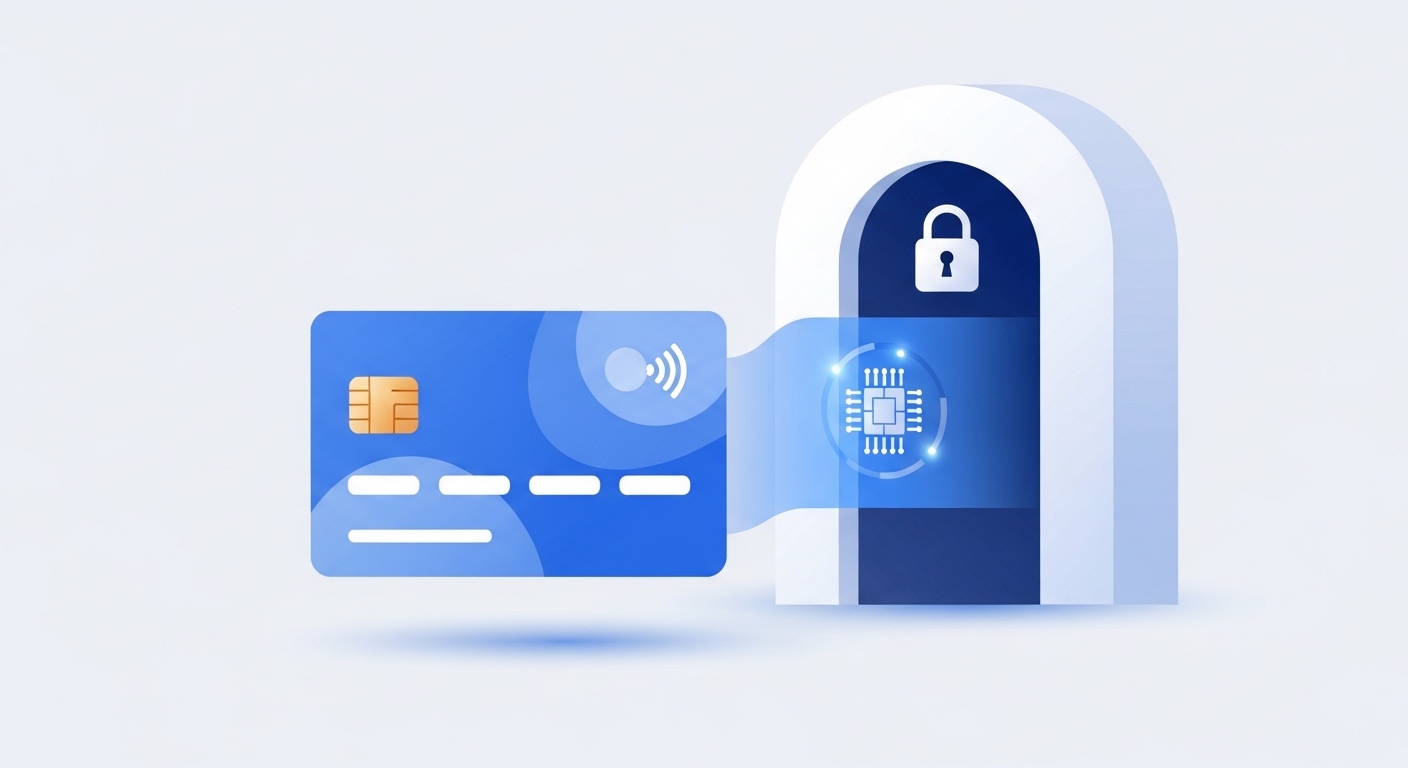
Tokenization is a security method that replaces your actual card number with a unique, randomly generated code called a “token”. When you save your card details on a website for future purchases, or even for a single transaction, your real card number isn’t stored by the website. Instead, it gets swapped for this token.
How a unique “token” stands in for your real card number
Here’s how it works: when you enter your card details, they are sent to a secure system, often run by your bank or a payment network. This system then creates a unique token that is completely different from your original card number. This token is then sent back to the website or app you’re using. From that point onwards, the website only sees and stores this token, not your actual card number.
Imagine your card number turning into a secret, unreadable code
You can think of it like this: your actual card number is a valuable treasure. When you want to use it online, tokenization wraps that treasure in a special, unreadable box. The box (the token) can be sent around safely, but nobody can open it to see the treasure inside without the right key, which only the secure system has. If someone were to steal the box, they wouldn’t find anything useful inside.
How Tokenization Makes Your Online Payments Much Stronger
Tokenization adds a powerful layer of security, making it much harder for criminals to steal your financial information.
Why a token is useless to someone trying to steal your details
The beauty of a token is that it’s just a random string of numbers and letters. It has no meaning on its own and cannot be used to make new purchases if someone were to steal it. Unlike your actual card number, which could be used anywhere, a token is usually linked to a specific transaction or a specific merchant. This means if a token is ever compromised, it’s essentially worthless to a thief.
Protecting your card details at every single step of a transaction
Tokenization ensures your real card details are protected throughout the entire payment process. From the moment you enter them, they are quickly converted into a token. This token is then used for all future steps, meaning your sensitive information is never exposed to the merchant’s systems or during transit over the internet. It’s like having a bodyguard for your card number at every turn.
How tokenization helps stop payment fraud before it starts
By making your card details effectively invisible to merchants and potential hackers, tokenization significantly reduces the risk of data breaches. Even if a website’s database were to be hacked, the criminals would only find tokens, not actual card numbers. This makes their efforts useless and helps prevent payment fraud before it even has a chance to begin.
The Important Role of Regulators in Securing Your Payments
While technology like tokenization is brilliant, it’s also important to know that strong rules and guidelines are in place to ensure everyone follows the best security practices.
How the Reserve Bank of India (RBI) ensures your safety
The Reserve Bank of India (RBI) is like the guardian of our country’s financial system. They play a very important role in ensuring that all digital payment systems are safe and reliable for you. The RBI regularly introduces and updates rules to protect consumers like you from fraud and to keep your financial data secure. They make sure that banks and payment companies use the best security technologies available.
Key rules and guidelines for payment companies and banks
The RBI has issued strict guidelines, for example, making it compulsory for all payment companies and banks to adopt tokenization for storing card details. This means if you have saved your card on a website, the merchant must convert your real card number into a token. They also set rules about how quickly banks must respond to fraud reports and how they should protect your privacy. These rules are not just suggestions; they are mandatory for everyone in the financial industry.
How these official rules protect your money and information daily
These official rules act as a strong safety net. They ensure that the companies handling your money are held to the highest standards of security. This means that when you make an online payment, you can have confidence that robust systems, backed by strict regulations, are working hard to protect your money and personal information every single day.
What This Advanced Security Means for You
All these security measures, especially tokenization and the rules set by the RBI, are designed to make your online payment experience better and safer.
Enjoying greater peace of mind with every online purchase
Knowing that your card details are protected by advanced technologies like tokenization and overseen by strong regulators means you can shop and pay online with much greater confidence. You can enjoy the convenience of digital payments without constantly worrying about the safety of your financial information. It brings a sense of calm to your online activities.
How to recognise a truly secure payment experience
When you are making an online payment, there are a few signs that tell you the experience is secure:
- Look for ‘https://’: Always check that the website address starts with ‘https://’ and has a padlock symbol next to it in your web browser. This means the connection is secure.
- Payment Gateway Logos: Secure payment pages often display logos of well-known payment networks or security certifications.
- Bank Notifications: After a transaction, you might receive an SMS or email from your bank. These alerts are a good way to keep track of your spending.
Your ongoing role in keeping yourself safe online
While many systems are working to protect you, your own actions are also very important. Here’s what you can do:
- Use Strong Passwords: Create unique and complex passwords for all your online accounts.
- Monitor Your Statements: Regularly check your bank and card statements for any transactions you don’t recognise.
- Report Suspicious Activity: If you ever see anything unusual or receive suspicious messages, report it to your bank immediately.
- Be Careful with Public Wi-Fi: Avoid making payments on unsecured public Wi-Fi networks, as they can be less safe.
By understanding these security measures and following simple safety tips, you can enjoy the convenience of online payments with greater peace of mind.
Author
