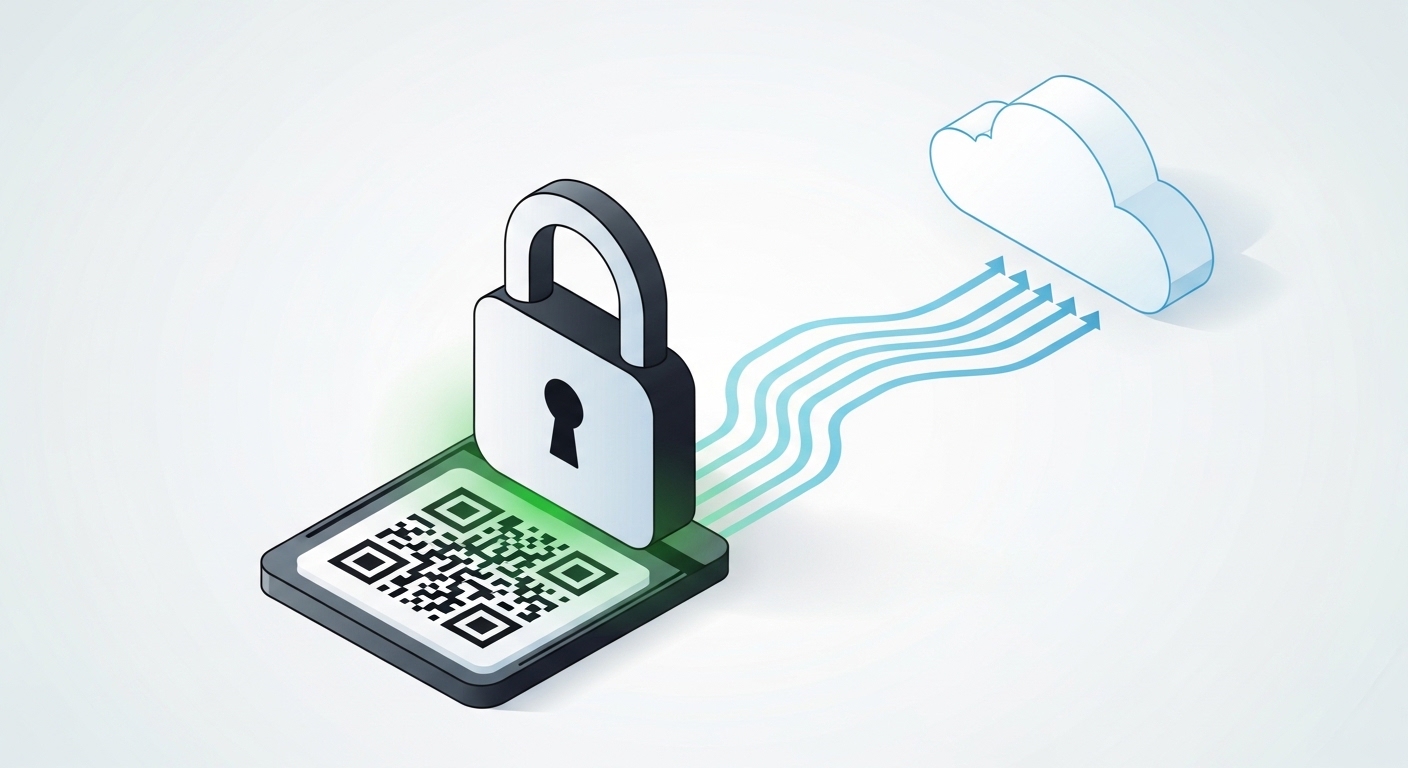
In today’s fast-paced world, paying for things online has become a normal part of our daily lives. From buying your favourite book to settling household bills, digital payments offer incredible convenience. But as you enjoy this ease, it’s perfectly natural to wonder: how safe is my money when I pay online? This is where payment gateways come in, acting as crucial guardians of your financial information. Understanding how they work, and the measures put in place to protect you, is key to feeling confident and secure every time you click ‘pay’.
What Are Payment Gateways and Why Do We Need Them?
Imagine you’re at a physical shop, and you hand over money or your card. There’s a clear process. Online, it’s a little different, and that’s where payment gateways step in.
Understanding what a payment gateway does
Think of a payment gateway as a secure digital bridge. When you decide to buy something on a website, the payment gateway is the clever system that safely takes your payment details from the online shop, sends them to your bank for approval, and then brings the answer back to the shop. It makes sure that your money can move from your account to the seller’s account in a safe and organised way. It’s the silent helper that handles all the technical bits in the background.
How they help you pay for things online every day
You might not even realise it, but payment gateways are working hard whenever you make an online purchase. Whether you’re buying clothes, ordering food, booking travel tickets, or paying for a streaming service, a payment gateway is making that transaction possible. They connect you, the online shop, and your bank, allowing your payment to be processed quickly and efficiently. This means you can enjoy the convenience of online shopping without needing to worry about the complex steps involved in moving money.
The crucial link between security and your confidence
The most important job of a payment gateway is to keep your financial details private and secure. If you didn’t trust that your card details were safe, you wouldn’t feel comfortable paying online, would you? This trust is incredibly important. When payment gateways use strong security measures, they build your confidence, making you feel safe and happy to use online services. This feeling of security is what allows the digital world to thrive.
How Payment Gateways Protect Your Money
Payment gateways use a range of sophisticated technologies and strict rules to keep your money and personal information safe. They are designed to be robust fortresses against potential threats.
Using secret codes to protect your information (That’s encryption!)
One of the most important ways payment gateways protect your details is through something called encryption. Imagine your payment information – like your card number – being turned into a secret code that only your bank and the payment gateway can understand. If anyone else tried to look at it, they would just see a jumble of meaningless letters and numbers. This ‘secret code’ makes it incredibly difficult for fraudsters to steal your information as it travels across the internet.
Smart systems that spot unusual activity (Stopping fraud)
Payment gateways also employ clever computer programmes that constantly look for anything out of the ordinary. These are like digital detectives, always on the lookout for suspicious patterns. For example, if you suddenly try to make a very large purchase in a country you’ve never visited before, the system might flag it as unusual. This helps to stop fraudulent transactions before they can cause you any harm, protecting your money from being used without your permission.
Strict rules and standards for keeping online payments secure
To ensure everyone plays by the same high standards, there are strict rules and guidelines that all payment gateways must follow. These are set by financial authorities and industry bodies to make sure that your payment information is handled with the utmost care. These rules cover everything from how data is stored to how it’s transmitted, ensuring that security is built into every step of the process. Adhering to these standards is not optional; it’s a fundamental requirement for operating a payment gateway.
Who watches over payment systems to ensure fairness?
In many countries, government bodies and central banks have a vital role in overseeing payment systems. They set the regulations and policies that ensure payment gateways operate fairly, securely, and reliably. Their job is to protect consumers like you, making sure that financial services are trustworthy and that your rights are upheld. This oversight provides an extra layer of assurance, knowing that there are official organisations making sure everything is running as it should be.
Building Your Trust: Why Feeling Safe is So Important
Trust is the bedrock of all financial interactions, especially online. When you feel safe, you can engage with the digital world freely.
Why trusting online shops makes all the difference
When you trust an online shop, you feel comfortable completing your purchase. This trust isn’t just about the product; it’s also about believing that your payment will be processed securely and that your personal details will be protected. This confidence allows you to explore new products, services, and experiences online without hesitation, knowing that the transaction itself is safe.
The impact when trust is broken (Why it’s a big deal)
Sadly, if trust is broken – for example, if a payment system were to be compromised – the impact can be significant. It can lead to financial loss, stress, and a reluctance to use online services in the future. This is why payment gateways and the organisations that oversee them work so hard to prevent such incidents. Protecting your trust is not just good for you; it’s essential for the entire digital economy to function smoothly.
How secure payments make your online life smooth and worry-free
Ultimately, secure payment systems are designed to make your online life easier and more enjoyable. When you know your money is safe, you don’t have to spend time worrying about potential risks. You can focus on the convenience and benefits of online shopping, bill paying, and other digital services, knowing that the underlying technology is robust and reliable. It provides peace of mind, allowing you to get on with your day.
Your Role: Simple Steps to Stay Safe Online
While payment gateways do a lot to protect you, you also have an important part to play in keeping yourself safe online. A little awareness goes a long way.
Learning to spot misleading websites and suspicious messages
Be cautious of websites or messages that look a bit ‘off’. Always double-check the website address – does it look exactly right? Be wary of emails or texts that ask for your personal or bank details, especially if they create a sense of urgency. Legitimate organisations rarely ask for sensitive information this way. If in doubt, visit the official website directly rather than clicking on links.
Creating strong passwords that are hard to guess
Your password is your first line of defence. Make sure yours are strong! This means using a mix of capital and small letters, numbers, and symbols. Avoid using easily guessable information like your birthday or pet’s name. A good trick is to use a memorable phrase and take the first letter of each word, adding numbers and symbols.
Always checking for the padlock and ‘https’ on websites
Before you enter any sensitive information on a website, always look for a small padlock symbol in the address bar of your browser. Also, check that the website address starts with ‘https://’ rather than just ‘http://’. The ‘s’ stands for ‘secure’ and means that the connection between your computer and the website is encrypted, helping to keep your information safe.
Being careful about sharing your personal details
Only share the information that is absolutely necessary for your transaction. If a website asks for details that seem unrelated to your purchase, it’s a good idea to be cautious. Think twice before giving out too much personal information, and remember that reputable businesses will only ask for what they truly need.
The Future of Keeping Your Payments Secure
The world of digital payments is always evolving, and so are the ways we keep them secure.
Exciting new ways to protect your money (Like using your fingerprint!)
Imagine paying for something online just by using your fingerprint or even a scan of your face! These are called biometric security features, and they are becoming more common. They offer a very personal and strong way to confirm it’s really you making the payment. Other innovations include multi-factor authentication, where you might need to use two different ways to prove your identity, like a password and a code sent to your phone. These new technologies aim to make payments even safer and simpler.
Why keeping things safe will always be the top priority
As technology advances, so do the methods used by those who wish to cause harm. This means that keeping your payments secure will always be a continuous effort. Payment gateways and financial institutions are constantly investing in new security measures, updating their systems, and staying ahead of potential threats. The commitment to protecting your money and your trust will always remain a fundamental priority.
In Your Trust, Our Priority
We hope this has given you a clearer picture of how payment gateways work and why they are so important for safe online transactions.
A quick look back at why secure payment gateways are essential
Payment gateways are the unseen heroes of online commerce. They facilitate your payments, protect your sensitive financial data with encryption and fraud detection, and operate under strict rules set by financial authorities. Their primary goal is to ensure that your money moves safely and efficiently, every single time.
Feeling confident and happy when you pay online
Ultimately, the goal of all these security measures is to allow you to feel completely confident and happy when you pay for things online. Knowing that robust systems are in place, and understanding the simple steps you can take to protect yourself, means you can embrace the convenience of digital payments with peace of mind. Your trust is incredibly valuable, and keeping your money safe online is, and always will be, a top priority.
Author
