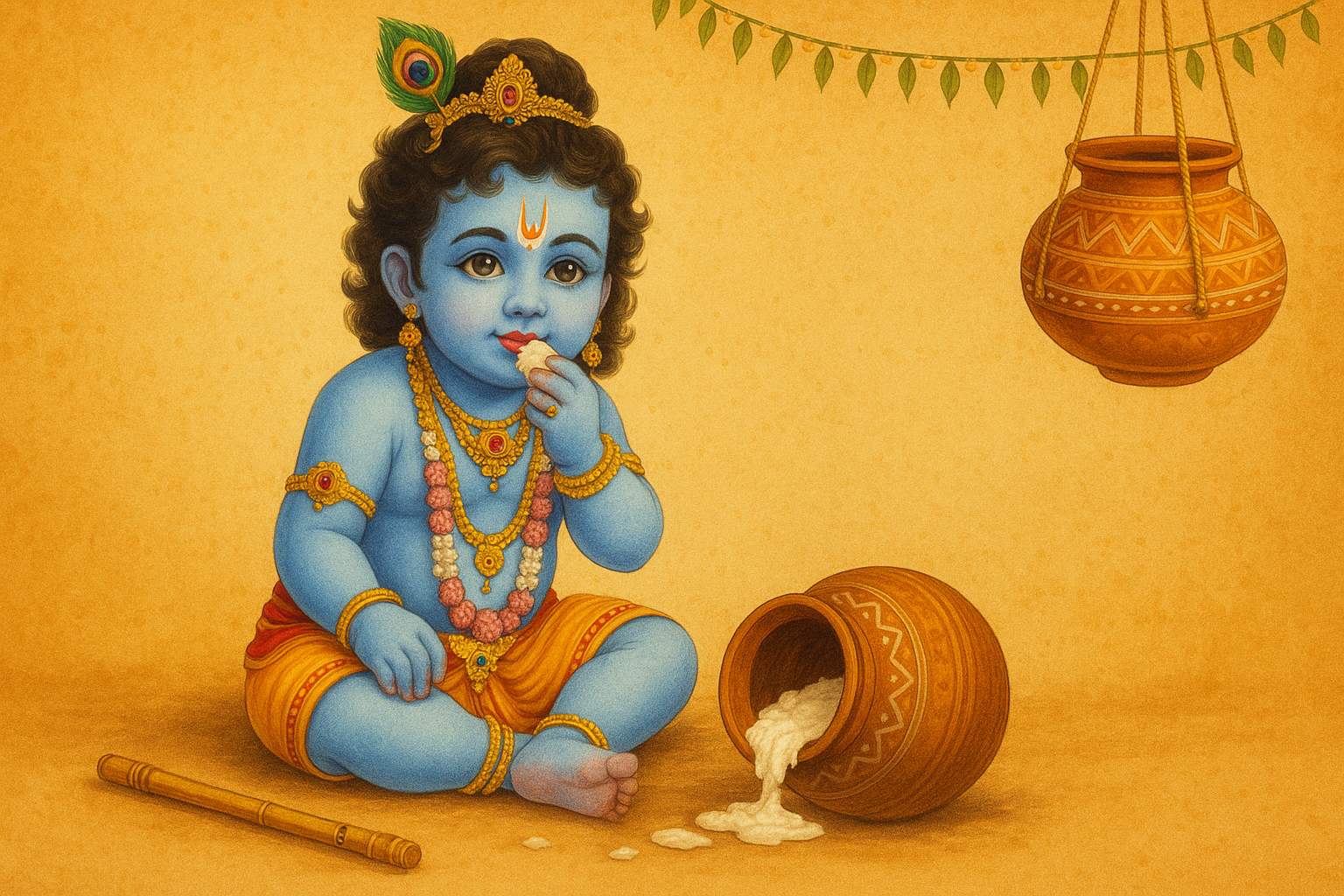
The joyous festival of Janmashtami 2026 is almost here, bringing with it a wave of devotion and celebration across India. This auspicious occasion marks the birth of Lord Krishna, a revered deity whose life and teachings continue to inspire millions. It is a time for families to come together, reflect on spiritual values, and immerse themselves in ancient traditions.
This article will guide you through the essential aspects of Janmashtami 2026, from its spiritual significance and traditional rituals to how you can embrace digital avenues to enhance your celebrations, ensuring a truly memorable and blessed experience.
Janmashtami 2026: Date and Spiritual Significance
Janmashtami, also known as Krishna Janmashtami or Gokulashtami, is a Hindu festival celebrating the birth of Lord Krishna, the eighth incarnation of Lord Vishnu. This sacred day holds profound spiritual importance, commemorating Krishna’s divine appearance over 5,000 years ago in Mathura. His life story, filled with playful childhood antics, heroic deeds, and profound philosophical teachings, continues to resonate deeply with devotees.
The festival symbolises the triumph of good over evil and the importance of dharma (righteousness) in one’s life. It reminds us that divine intervention often arrives when darkness prevails, bringing hope and restoring balance to the world. Celebrating Janmashtami is an act of devotion, a way to connect with Krishna’s teachings, and an opportunity for spiritual introspection.
Quick Context: What is Janmashtami?
Janmashtami celebrates the birth of Lord Krishna, an avatar of Vishnu, marking a day of spiritual devotion, fasting, and cultural festivities across India.
Janmashtami in 2026 falls in September. The exact date can vary based on regional calendars and traditions. According to Drik Panchang, Krishna Janmashtami in 2026 is observed on Thursday, 3 September, with ISKCON Janmashtami falling on Friday, 4 September 2026. The Nishita Puja (midnight worship) timings also vary by city; for instance, in New Delhi, it is from 11:57 PM on 4 September to 12:43 AM on 5 September. It is always advisable to verify the exact date and puja timings for your specific location at drikpanchang.com or through the official government holiday calendar.
Why Janmashtami is Celebrated
Janmashtami is celebrated for several key reasons that highlight Lord Krishna’s enduring legacy and teachings:
- To commemorate the divine birth of Lord Krishna, who embodies love, compassion, and righteousness.
- To reinforce the values of dharma, karma, and bhakti (devotion) as taught in the Bhagavad Gita.
- To remember Krishna’s role in establishing justice and protecting the innocent from evil forces.
- To foster community spirit and cultural heritage through shared rituals and festivities.
Traditional Rituals and Observances
The celebration of Janmashtami is steeped in rich traditions, with devotees observing various rituals to express their devotion. Many observe a day-long fast, which is typically broken after the midnight puja, when Lord Krishna is believed to have been born. This fast can be a ‘nirjala’ fast (without water) or involve consuming only fruits and milk.
Homes and temples are beautifully decorated with flowers, lights, and cradles for ‘Laddu Gopal’ (baby Krishna idols). Devotees sing bhajans, perform aartis, and enact ‘Rasleela’ – plays depicting Krishna’s life. The ‘Dahi Handi’ celebration, particularly prominent in Maharashtra, involves human pyramids attempting to break a pot of curd or butter, symbolising Krishna’s playful butter-stealing antics.
Common Confusion: Fasting on Janmashtami
Many believe a Janmashtami fast means complete abstinence from food and water. While some observe a ‘nirjala’ fast, others consume ‘satvik’ foods like fruits, milk, and specific vrat-friendly flours. Always listen to your body and consult a doctor if you have health concerns.
Steps for Observing Janmashtami Rituals at Home
Observing Janmashtami at home can be a deeply personal and fulfilling experience. Here are the general steps you can follow:
Step 1: Clean and Decorate Your Puja Area: Begin by thoroughly cleaning your home temple or the designated puja space. Decorate it with fresh flowers, colourful lights, and rangoli patterns. Place a small cradle for the idol of baby Krishna.
Step 2: Prepare for the Fast: If you plan to fast, prepare your ‘satvik’ meal ingredients a day in advance. Ensure you have rock salt (sendha namak) and vrat-friendly flours like kuttu (buckwheat) or singhara (water chestnut) if you intend to eat during the fast.
Step 3: Perform Morning Prayers: Start the day with prayers and devotional songs dedicated to Lord Krishna. Take a ‘sankalpa’ (vow) to observe the fast with devotion.
Step 4: Prepare Offerings (Bhog): Prepare special offerings for Lord Krishna, which typically include ‘panchamrit’ (a mixture of milk, curd, ghee, honey, and sugar), ‘makhan mishri’ (butter and sugar), and various sweets made from milk. Ensure all food is prepared with purity and devotion.
Step 5: Conduct Midnight Puja: The most significant ritual is the midnight puja, marking Krishna’s birth. Bathe the idol of baby Krishna with ‘panchamrit’, dress him in new clothes, and place him in the decorated cradle. Offer the ‘bhog’ you prepared, light lamps, and perform an ‘aarti’.
Step 6: Break Your Fast: After the midnight puja and offering ‘prasad’ to Lord Krishna, you can break your fast by consuming the ‘prasad’ and your ‘satvik’ meal.
Pro Tip: Essential Janmashtami Preparation
Always pluck Tulsi leaves a day before Janmashtami if you need them for offerings, as plucking them on the festival day is traditionally avoided.
Celebrating Janmashtami Digitally
In 2026, the spirit of Janmashtami extends beyond physical gatherings, embracing digital platforms to connect devotees and share the joy of the festival. Digital celebrations offer convenience and accessibility, allowing individuals to participate in rituals and festivities regardless of their location. This blend of tradition and technology ensures that the cultural essence of Janmashtami remains vibrant and inclusive.
Many temples and spiritual organisations now host live streams of their midnight pujas, bhajans, and ‘Rasleela’ performances, enabling devotees to witness these sacred events from their homes. Virtual ‘Dahi Handi’ competitions, online devotional music concerts, and digital storytelling sessions about Krishna’s life are also gaining popularity. These digital avenues help preserve and promote India’s rich cultural heritage in the modern era.
| Digital Celebration Aspect | Traditional Counterpart | Benefit |
| Live Streamed Puja | Temple Visit | Accessibility for all, especially elderly or distant devotees |
| Online Donations | Hundi/Cash Donations | Secure, convenient, and traceable contributions |
| Digital Greetings & Content Sharing | Physical Visits & Storytelling | Wider reach, instant connection, rich multimedia experience |
The Ministry of Culture, Government of India, plays a crucial role in preserving and promoting India’s rich cultural heritage, including festivals. Their official portal, culture.gov.in, often features information and initiatives related to Indian festivals and cultural events, encouraging digital engagement and awareness. While there isn’t a specific government app solely for Janmashtami, broader initiatives like ‘Digital India’ by the Ministry of Electronics & Information Technology (MeitY) support the digital infrastructure that facilitates such online celebrations.
Digital Engagement for Cultural Preservation
The shift towards digital celebrations also supports the broader goal of cultural preservation. By documenting and sharing traditional rituals online, future generations can easily access and learn about their heritage. This digital archiving ensures that the stories, music, and art forms associated with Janmashtami remain alive and accessible globally. The government’s focus on digital transformation, as seen in initiatives like the WAVES (World Audio Visual & Entertainment Summit) and the promotion of creative industries, further underscores the importance of digital platforms for cultural outreach.
Common Mistakes and Best Practices for a Meaningful Celebration
While celebrating Janmashtami, devotees sometimes make common mistakes that can inadvertently diminish the spiritual essence of the occasion. Understanding these pitfalls and adopting best practices can lead to a more profound and meaningful celebration. The most common mistake Indians make is often related to the strictness of fasting rules or the purity of offerings.
Many people unknowingly consume prohibited ingredients during their fast, such as regular salt instead of rock salt (sendha namak), or grains like wheat and rice. Another common oversight is breaking the fast before the auspicious Nishita Kaal puja or without first offering ‘prasad’ to Lord Krishna. It is crucial to remember that fasting is not just about abstaining from food but also about purifying the mind and soul.
Pro Tip: Fasting Purity Check
Always double-check ingredient labels for ‘satvik’ compliance. Even seemingly innocent items can contain prohibited ingredients for vrat.
Avoiding Common Janmashtami Mistakes
To ensure your Janmashtami celebration is truly blessed, consider these points:
Step 1: Verify Dates and Timings: Always consult a reliable ‘panchang’ (Hindu calendar) or a trusted online source like Drik Panchang for the exact Ashtami Tithi, Rohini Nakshatra, and Nishita Kaal puja timings specific to your location. This ensures your fast and prayers align with the most auspicious moments.
Step 2: Understand Fasting Guidelines: If you are observing a fast, be clear about what is permitted and what is not. Avoid ‘tamasic’ foods, non-vegetarian items, and alcohol. Focus on ‘satvik’ foods if you are not observing a ‘nirjala’ fast.
Step 3: Maintain Purity of Mind: Fasting extends beyond physical abstinence. Avoid engaging in negative activities like gossip, arguments, or harbouring anger. Instead, dedicate the day to prayers, meditation, and spiritual reflection.
Step 4: Respect Offerings and Prasad: Treat ‘prasad’ and ‘charanamrit’ with utmost reverence. Do not waste them, and consume them mindfully after offering to the deity.
Step 5: Show Respect to Cows: Lord Krishna is known as ‘Gopal’, the protector of cows. It is considered highly auspicious to feed cows on Janmashtami and avoid any actions that might disturb or harm them.
The #1 Eligibility Check for a Devotional Janmashtami
The most important “eligibility check” for celebrating Janmashtami is not a formal requirement but a state of mind: sincerity and devotion. While rituals are important, the true essence lies in the purity of your intentions and the depth of your faith. Anyone with a sincere heart can celebrate Janmashtami.
For those planning to observe a fast, the primary consideration is your health. If you have any medical conditions, are pregnant, or elderly, it is crucial to consult a doctor before undertaking a strict fast. Your well-being is paramount, and devotion can be expressed in many ways beyond rigorous fasting.
Sources
- Drik Panchang — https://www.drikpanchang.com
- Ministry of Culture — https://culture.gov.in
- Ministry of Electronics & Information Technology (MeitY) — https://meity.gov.in
Conclusion
Janmashtami 2026 offers a beautiful opportunity to connect with India’s rich spiritual heritage and celebrate the birth of Lord Krishna. By understanding the traditional rituals and embracing digital avenues for participation, you can ensure a deeply meaningful experience. Remember to focus on sincerity in your devotion and adhere to best practices, such as verifying puja timings and understanding fasting guidelines, to avoid common mistakes and truly honour the spirit of this auspicious festival.
Author