

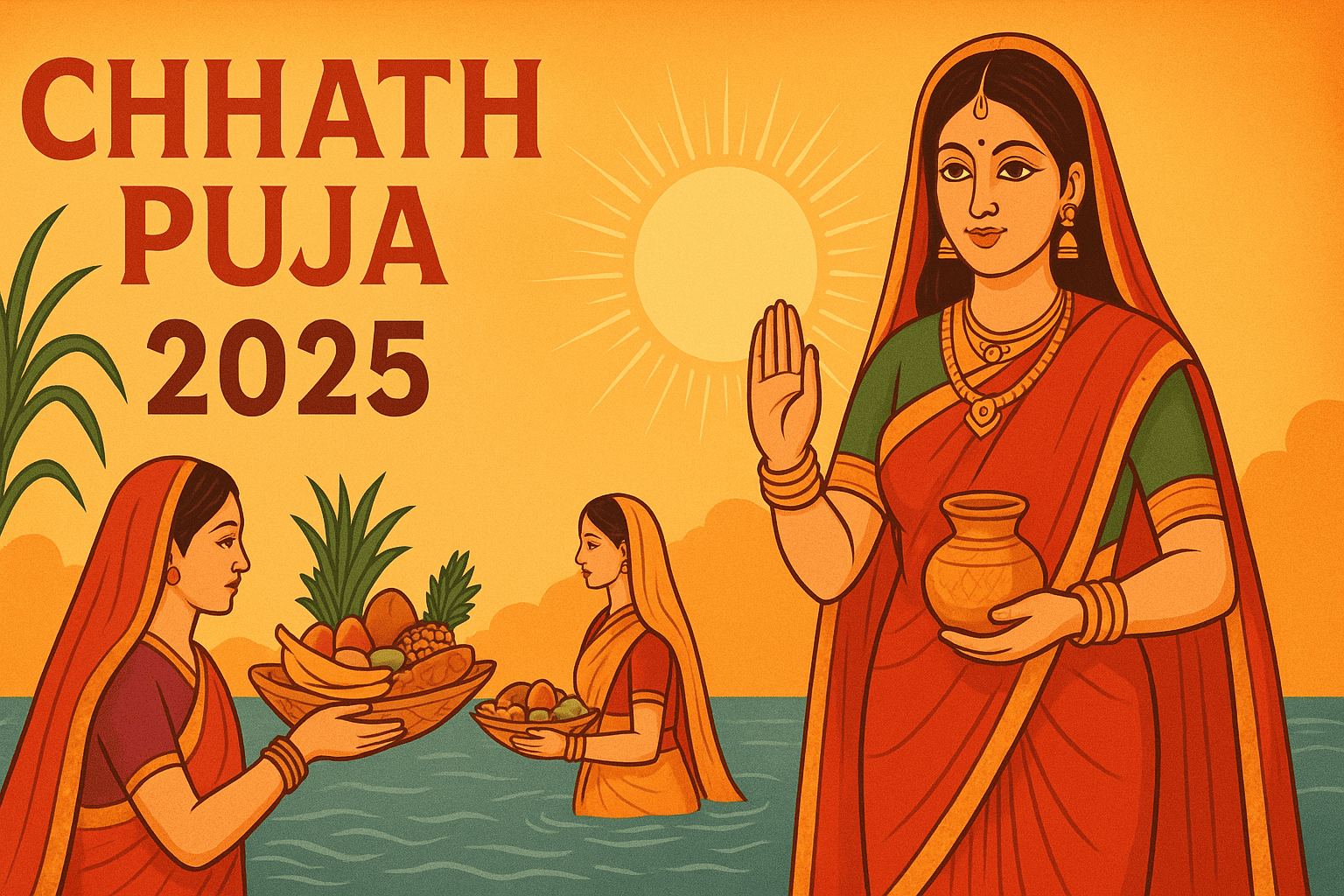
The Chhath Puja festivities are a time of deep spiritual connection and joyous communal gatherings across India. This sacred four-day observance, dedicated to the Sun God, Surya, and Chhathi Maiya, embodies deep gratitude for life’s blessings and the sustaining power of nature. It is a period marked by devotion, purity, and a shared sense of reverence.
This article offers a comprehensive guide to Chhath Puja 2026, detailing its significant dates, the traditional rituals involved, and its rich cultural importance. You will gain a clear understanding of how to appreciate and participate in this beautiful festival, whether as a devotee or an observer.
Chhath Puja 2026: Dates and Observances
Chhath Puja in 2026 falls in November – verify the exact date at drikpanchang.com or the official government holiday calendar. This ancient festival spans four days, each with distinct rituals that prepare devotees physically and spiritually for the main offerings. Understanding the sequence helps you appreciate the dedication involved.
The meticulous preparation for Chhath Puja begins days in advance, with families cleaning their homes and surroundings. This focus on purity extends to the food preparation, which is traditionally cooked without onion, garlic, or non-vegetarian ingredients, aligning with the satvik (pure) dietary principles.
Quick Context: Who is Chhathi Maiya?
Chhathi Maiya is worshipped as the sister of Surya, the Sun God, and is believed to be the goddess of children and protection. Devotees pray to her for the well-being, prosperity, and longevity of their offspring.
The four days of Chhath Puja are observed with strict devotion:
Step 1: Nahay Khay – The first day marks the purification ritual. Devotees take a holy bath, often in a river or pond, and then consume a single, pure meal of rice, lentils, and gourds (kaddu bhat) prepared in ghee. This purifies the body and mind.
Step 2: Kharna – On the second day, devotees observe a strict fast without water from sunrise until sunset. After sunset, they break their fast by offering and consuming kheer (rice pudding), roti, and fruits as prasad. This meal is essential as it prepares them for the rigorous 36-hour fast that follows.
Step 3: Sandhya Arghya – This is the primary day of worship, where offerings are made to the setting sun. Devotees stand waist-deep in water, holding bamboo baskets (soop) filled with traditional prasad like thekua, fruits, sugarcane, and coconuts. This ritual signifies gratitude for the day’s blessings.
Step 4: Usha Arghya – The final day involves offering prayers and arghya to the rising sun. Devotees return to the water body before dawn to perform this ritual, seeking blessings for a bright and prosperous future. After this, they break their 36-hour fast and share prasad with family and community.
Why the Specific Dates Matter
The timing of Chhath Puja is crucial because it aligns with specific astronomical positions of the sun, making the rituals particularly potent. Observing these days correctly ensures the spiritual benefits are fully realised, hence the emphasis on verifying dates from reliable sources like government holiday calendars. For Harish, an accountant in Kochi, planning his travel to his ancestral village for Chhath Puja means confirming these dates well in advance to avoid missing any part of the sacred observances.
Understanding the Core Rituals and Traditions
The rituals of Chhath Puja are deeply symbolic, focusing on purity, austerity, and connection with nature. Devotees undertake a highly demanding 36-hour fast, with many observing a ‘nirjala vrat’ – abstaining from even water for the entire duration. This extreme discipline is a testament to their devotion and commitment.
The preparation of prasad is a central tradition, carried out with utmost cleanliness and devotion. Thekua, a sweet made from wheat flour, jaggery, and ghee, is a signature offering, alongside various seasonal fruits, sugarcane, and homemade sweets. These offerings are carefully arranged in bamboo baskets and carried to the water bodies.
Common Confusion: Is the Chhath fast compulsory for everyone?
No, the rigorous Chhath fast is primarily observed by those who have taken a ‘sankalp’ (vow) to do so, often for the well-being of their family or children. Others can participate in the celebrations and offerings without undertaking the full fast.
Here are the key aspects of the rituals:
- Holy Bathing: Symbolises purification of the body and soul before beginning the sacred observances.
- Strict Fasting: A 36-hour fast, often without water, to cleanse the body and mind and show unwavering devotion.
- Prasad Preparation: Traditional offerings like thekua and fruits, prepared with extreme purity, are central to the worship.
- Arghya to Sun: Offering water and prasad to both the setting and rising sun, acknowledging its life-giving energy.
- Folk Songs: Devotees sing traditional Chhath songs, often in Bhojpuri or Maithili, which narrate the festival’s stories and prayers.
The Importance of Purity in Offerings
The meticulous attention to purity in preparing the prasad and other offerings is not merely a custom; it reflects the deep respect for the deities. Any impurity is believed to diminish the sanctity of the worship. This is why separate cooking areas and utensils are often used, and family members observing the fast are typically the ones preparing the offerings. This focus on purity is a core reason behind the festival’s spiritual power.
The Deep Cultural and Environmental Significance
Chhath Puja holds significant cultural significance, extending beyond religious observance to foster community spirit and environmental consciousness. It is a festival of thanksgiving, acknowledging the Sun God as the ultimate source of life, energy, and sustenance for all beings on Earth. This reverence for nature is a cornerstone of the festival’s philosophy.
The worship of Chhathi Maiya, believed to bless families with health, prosperity, and protection for children, underscores the festival’s focus on family well-being. The communal gathering at riverbanks and ponds, where people from diverse backgrounds participate in collective prayers, strengthens social bonds and promotes harmony.
Pro Tip: Preparing for the Chhath Puja Fast
If you plan to observe the rigorous Chhath fast, start preparing your body a few days in advance by eating light, wholesome meals and staying hydrated. Consult a doctor if you have any pre-existing health conditions, as the nirjala vrat can be very demanding.
| Aspect | Description | Cultural Impact |
| Nature Worship | Gratitude to Sun God and Chhathi Maiya for life and prosperity | Fosters environmental awareness and respect for natural resources |
| Community Bonding | Collective prayers and sharing of prasad at water bodies | Strengthens social ties and promotes unity |
| Spiritual Discipline | Rigorous fasting and adherence to purity | Cultivates self-control, devotion, and mental resilience |
| Family Well-being | Prayers for children’s health and family prosperity | Reinforces family values and intergenerational connections |
A Surprising Link: Environmental Cleanliness
One lesser-known aspect of Chhath Puja is its inherent connection to environmental cleanliness. Before the rituals begin, local communities often undertake extensive cleaning drives around rivers, ponds, and ghats. This collective effort ensures the water bodies, which are central to the worship, are pristine. This tradition, deeply ingrained in the festival, highlights an ancient form of community-led environmental stewardship, long before modern ecological movements.
Chhath Puja Beyond Borders: Celebrations Across India and the Diaspora
While Chhath Puja is most prominently celebrated in the Indian states of Bihar, Jharkhand, and eastern Uttar Pradesh, and in Nepal, its reach extends far beyond these regions. The migration of people from these areas has led to its enthusiastic observance in major cities across India and among the Indian diaspora worldwide. From Mumbai to Delhi, and even in countries like the USA, UK, and Mauritius, communities come together to recreate the traditional atmosphere.
Devotees go to great lengths to uphold the customs, often creating artificial ponds or designated ghats in urban areas where natural water bodies are unavailable. These gatherings are lively with folk songs, traditional attire, and the collective spirit of devotion, drawing people together regardless of their background.
Quick Context: The Communal Spirit of Chhath
Chhath Puja is unique in its communal nature. Unlike many other Hindu festivals that are primarily celebrated within homes, Chhath sees thousands gather at public water bodies, sharing offerings and prayers, fostering a strong sense of collective identity and belonging.
The widespread celebration of Chhath Puja:
- Urban Centres: Major cities like Delhi, Mumbai, Kolkata, and Bengaluru witness large-scale Chhath celebrations, with dedicated ghats prepared for devotees.
- International Diaspora: Indian communities in countries with significant Bhojpuri and Maithili populations organise elaborate Chhath observances, often recreating traditional settings.
- Cultural Integration: The festival serves as a cultural bridge, allowing people from different regions to experience and appreciate the traditions of Bihar, Jharkhand, and UP.
The Role of Community Associations
The successful organisation of Chhath Puja in non-traditional regions and abroad largely depends on community associations and cultural groups. These bodies play a pivotal role in arranging suitable venues, managing logistics, and ensuring that the traditional rituals are performed correctly. They often coordinate with local authorities to facilitate the gatherings, demonstrating the power of collective action in preserving cultural heritage.
Common Misconceptions and Preparations
One common misconception about Chhath Puja is that it is exclusively a festival for women or for specific castes. In reality, while women traditionally observe the main fast, men also participate actively in the rituals, preparations, and offerings. The festival transcends caste and social barriers, with people from all walks of life joining the celebrations, either as observers or active participants.
The #1 eligibility check for anyone considering observing the Chhath Puja fast is a thorough assessment of their physical and mental preparedness. The fast is extremely rigorous, especially the 36-hour nirjala vrat. It requires significant endurance and a strong spiritual resolve.
Common Confusion: Is Chhath Puja only for specific communities?
No, while originating from specific regions, Chhath Puja is a universal festival of gratitude to the Sun God. Anyone with devotion can participate in the observances, whether by offering prayers, helping with preparations, or simply being present at the ghats.
Before embarking on the Chhath fast, consider these essential preparations:
- Physical Health Check: Ensure you are in good health and consult a medical professional if you have any doubts, especially for a waterless fast.
- Mental Readiness: Understand the commitment required for the 36-hour fast and prepare yourself mentally for the discipline.
- Family Support: Ensure your family understands and supports your decision, as their assistance is crucial during the observances.
- Ritual Knowledge: Familiarise yourself with the sequence of rituals and the significance behind each step to fully engage in the devotion.
Why Mental and Physical Preparedness is Key
The rigour of Chhath Puja is not to be underestimated. The fast is not just about abstaining from food and water; it is a deep spiritual cleansing. Therefore, adequate physical health is necessary to sustain the fast without adverse effects, and mental preparedness ensures you can maintain the spiritual focus throughout the demanding rituals. Without this groundwork, the experience can become overwhelmingly challenging, detracting from the true devotional intent.
Sources
Conclusion
Chhath Puja 2026 offers a deep opportunity to connect with ancient traditions, express gratitude to nature, and strengthen community bonds. Understanding the detailed dates and rituals allows for respectful and informed participation, ensuring the spiritual essence of the festival is truly experienced. By preparing thoughtfully, you can fully embrace the discipline and devotion that make Chhath Puja such a unique and valued celebration.
Author

