

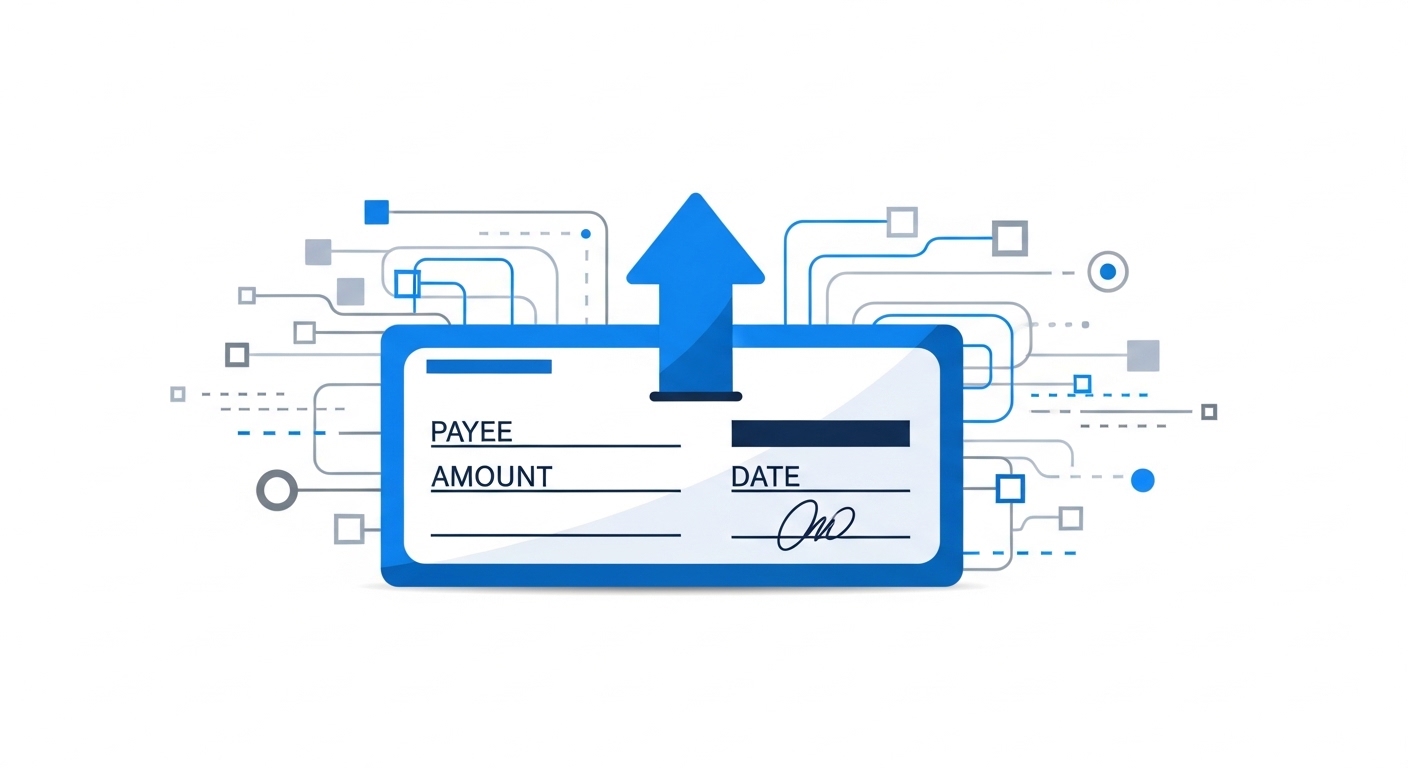
Many people believe that a cheque bounce is just a minor inconvenience, easily resolved by simply re-presenting the cheque. Actually, it’s a serious financial and legal matter in India, carrying significant penalties and impacting your credit score. Understanding the strict rules around cheque payments can save you from substantial fines and potential legal action.
A bounced cheque isn’t merely a banking error; it reflects a failure to honour a financial commitment. This guide helps you navigate the complexities of cheque transactions, ensuring you avoid the common pitfalls that lead to such issues. You’ll learn the essential steps to maintain financial integrity and prevent unnecessary charges.
Table of Contents
What Is a Cheque Bounce?
A cheque bounce, also known as a dishonoured cheque, occurs when a bank refuses to process a cheque due to various reasons. When you issue a cheque, you’re essentially giving a promise to pay a certain amount from your bank account. If that promise cannot be fulfilled, the cheque ‘bounces’.
This situation can arise from several factors, often leading to charges for both the issuer and the recipient. It’s crucial to understand these underlying causes to prevent future occurrences. You don’t want to find yourself in a difficult financial position because of a simple oversight.
Understanding Cheque Basics
A cheque is a written, dated, and signed instruction to a bank to pay a specific amount of money to the bearer or a named individual. It’s a fundamental instrument in financial transactions, widely used for payments and transfers across India. You rely on cheques for everything from paying rent to settling business invoices.
When you write a cheque, you’re instructing your bank to deduct funds from your account and credit them to the payee’s account. This process requires your account to have sufficient funds and for all cheque details to be accurate. Any discrepancy can cause the bank to reject the payment.
When a Cheque Fails
A cheque fails, or bounces, when the bank cannot process it for payment. The most common reason is “insufficient funds,” meaning there isn’t enough money in your account to cover the cheque amount. However, other issues like a mismatched signature or an expired cheque can also lead to a bounce.
When a cheque bounces, your bank returns it to the payee’s bank along with a ‘return memo’ explaining the reason for non-payment. This memo is a formal notification that the financial transaction couldn’t be completed. You’ll also receive notification from your bank about the dishonoured cheque.
Quick Context: What is a Return Memo?
A return memo is a formal document issued by the bank explaining why a cheque could not be processed, such as “insufficient funds” or “signature differs.”
Here are common reasons a cheque might bounce:
- Insufficient Funds: Your account balance is less than the cheque amount.
- Signature Mismatch: The signature on the cheque doesn’t match the one registered with your bank.
- Date Issues: The cheque is post-dated (dated for the future) or stale (more than three months old in 2026).
- Amount Discrepancy: The amount written in words doesn’t match the amount written in figures.
- Account Closed: The account linked to the cheque has been closed.
- Stop Payment Instruction: You’ve instructed your bank to stop payment on that specific cheque.
Why Should You Care About Cheque Bounces?
Ignoring the implications of a bounced cheque can lead to serious financial and reputational damage. It’s not just about a small fee; it can affect your ability to secure future loans or credit. You need to understand the full scope of consequences to avoid them.
A single bounced cheque can trigger a chain of negative events, impacting both your immediate finances and your long-term financial standing. Being proactive and diligent with your cheque transactions is always the best approach. You’re protecting your financial future by being careful today.
Impact on Your Finances
The immediate impact of a bounced cheque is financial penalties from your bank and the payee’s bank. These charges can quickly add up, especially if multiple cheques bounce. For example, your bank might charge Rs 150-500 for each dishonoured cheque, while the payee’s bank might also levy a collection fee.
Beyond direct fees, a bounced cheque can lead to late payment penalties if it was for a bill or loan EMI. This means you could incur additional interest charges or fines from the original creditor. You’re essentially paying twice for the same mistake.
Protecting Your Reputation
A bounced cheque significantly damages your financial reputation and creditworthiness. Banks and financial institutions view cheque bounces as a sign of poor financial management or unreliable payment behaviour. This can make it harder for you to get loans, credit cards, or even mortgages in the future.
Your CIBIL score, which is a crucial indicator of your credit health, takes a hit when a cheque bounces. A lower CIBIL score means higher interest rates on future borrowings or outright rejection of loan applications. You’re building a financial track record, and every bounce leaves a negative mark.
Common Confusion: Cheque bounce impact
It is commonly assumed that a cheque bounce only results in a small bank fee
A bounced cheque can lead to significant bank charges, legal action under Section 138 of the Negotiable Instruments Act, and a severe negative impact on your credit score.
| Consequence Type | Immediate Impact | Long-Term Impact |
| Bank Charges | Rs 150-500 per bounce (issuer & payee) | None directly, but repeated bounces indicate poor financial health. |
| Legal Action | Court summons, potential fines & imprisonment | Criminal record, difficulty obtaining future credit. |
| Credit Score | Significant drop in CIBIL score | Higher interest rates on loans, rejection of credit applications. |
| Reputation | Loss of trust with payees | Damaged financial credibility with institutions. |
What Are the Penalties for a Bounced Cheque?
The penalties for a bounced cheque in India are stringent and can involve both financial and legal repercussions. These measures are in place to ensure the integrity of financial transactions and deter irresponsible cheque issuance. You must understand these penalties to appreciate the seriousness of the issue.
It’s not just a slap on the wrist; the law takes cheque bounces very seriously, especially if there’s an intent to defraud. The consequences escalate quickly, moving from bank fees to potential court proceedings. You’re dealing with a legal instrument, and its dishonour has legal weight.
Bank Charges Explained
When a cheque bounces, both your bank (the drawee bank) and the payee’s bank (the collecting bank) will levy charges. Your bank will charge you a “cheque return outward” fee for the dishonour. This fee typically ranges from Rs 150 to Rs 500 per cheque, depending on your bank and account type.
The payee’s bank will also charge a “cheque return inward” fee for handling the bounced cheque. This fee is usually recovered from the payee, who may then demand reimbursement from you. These charges are non-negotiable and apply automatically once a cheque is dishonoured.
Legal Consequences You Face
Beyond bank charges, a bounced cheque can lead to severe legal action under Section 138 of the Negotiable Instruments Act, 1881. This section makes cheque bouncing a criminal offence if certain conditions are met. You could face imprisonment for up to two years, a fine which may extend to twice the cheque amount, or both.
The legal process typically begins with the payee sending you a legal notice demanding payment within 15 days. If you fail to pay within this period, the payee can file a criminal complaint against you. This can lead to court appearances and a lengthy legal battle.
Credit Score Impact
A bounced cheque is reported to credit bureaus like CIBIL, Experian, and Equifax. This negative event significantly lowers your credit score, indicating a higher risk to potential lenders. You’ll find it much harder to obtain credit facilities or loans at favourable interest rates.
Multiple cheque bounces can severely damage your credit history for several years. Even if you settle the matter, the record of the bounced cheque remains on your credit report. This impacts your financial standing long after the immediate issue is resolved.
Pro Tip: Act Quickly After a Bounce
If your cheque bounces, contact the payee immediately to arrange an alternative payment. This proactive step can prevent legal action and shows your willingness to resolve the issue.
Here’s a simplified overview of the legal process:
Step 1: The payee receives the bounced cheque and a return memo from their bank, stating the reason for dishonour.
Step 2: Within 30 days of receiving the return memo, the payee must send you a legal demand notice for the cheque amount.
Step 3: You have 15 days from receiving the notice to make the payment. If you pay, the matter is resolved.
Step 4: If you fail to pay within the 15-day notice period, the payee can file a criminal complaint in court within 30 days.
Step 5: The court will issue a summons, requiring you to appear and present your defence.
Seven Essential Rules to Avoid Cheque Bounce
Preventing cheque bounces is primarily about careful financial management and attention to detail. By following a few essential rules, you can significantly reduce your risk. You’re taking control of your financial transactions and avoiding unnecessary stress.
These rules aren’t just about avoiding penalties; they’re about building a strong foundation for your financial health. Diligence in cheque management reflects overall financial responsibility. You’ll gain peace of mind knowing your payments are secure.
Always Check Your Balance
The most common reason for a cheque bounce is insufficient funds. Before issuing any cheque, always verify that your bank account has enough money to cover the amount. You can easily check your balance through online banking, mobile apps, or by visiting an ATM.
Make it a habit to reconcile your account regularly, especially before writing large cheques. According to RBI’s 2026 guidelines, banks can instantly dishonour cheques if funds are inadequate, regardless of the amount. Don’t rely on estimations; get the exact figure.
Keep Track of Your Cheques
Maintain a detailed record of all cheques you issue, including the cheque number, date, payee name, and amount. This helps you track your outgoing payments and anticipate when funds will be debited from your account. You can use a cheque register or a simple spreadsheet.
Reconcile your records with your bank statements regularly to ensure accuracy and identify any discrepancies promptly. This practice helps you manage your cash flow effectively and avoid unexpected fund shortages. You’re essentially creating a personal audit trail.
Ensure Correct Cheque Details
Accuracy is paramount when filling out a cheque. Any error can lead to a bounce, even if you have sufficient funds. You must ensure that every detail on the cheque is clear, correct, and matches your bank’s records.
Double-check the date, payee’s name, amount in figures, and amount in words. If there’s a mismatch between the numerical and written amount, your bank will likely return the cheque. You’re responsible for the clarity and correctness of the information.
Here’s what to check carefully:
- Date: Ensure it’s the current date (or a future date if post-dating, but avoid this where possible).
- Payee Name: Write the full and correct legal name of the individual or entity.
- Amount in Figures: Write the exact numerical amount clearly.
- Amount in Words: Write the exact amount in words, ensuring it matches the figures and ends with “only.”
- Signature: Your signature must match the one registered with your bank.
Sign Your Cheque Properly
Your signature is a critical security feature on a cheque. It must exactly match the specimen signature registered with your bank.
Even a slight variation can cause your bank to suspect fraud and dishonour the cheque. You should practice signing consistently.
If your signature has changed over time, consider updating your specimen signature with your bank to avoid future issues. Banks are very strict about signature verification as a fraud prevention measure. You’re protecting yourself by ensuring consistency.
Avoid Post-Dated Cheques
A post-dated cheque is one written with a future date. While sometimes convenient, they carry inherent risks.
You might forget about them, leading to insufficient funds when they are finally presented. It’s easy to miscalculate your balance months down the line.
If you must issue post-dated cheques, treat the amount as already spent from your current balance. Better yet, consider setting up standing instructions or electronic payments for recurring expenses. You’ll have more control over your cash flow this way.
Understand Your Account Limits
Be aware of any minimum balance requirements for your bank account. Falling below this threshold can incur penalties and, in some cases, cause cheques to bounce even if the cheque amount itself is covered. You need to know your account’s specific terms and conditions.
Some accounts also have daily transaction limits or specific rules for large withdrawals. While less common for cheques, it’s good practice to be aware of any such restrictions that could impact cheque clearance. You’re responsible for knowing your account’s operational rules.
Communicate with Your Payee
If you foresee a potential issue with a cheque you’ve issued, communicate immediately with the payee. Inform them of any delay or problem and arrange an alternative payment method. This transparency can prevent them from initiating legal action.
Proactive communication can save you from a lot of trouble and maintain your good relationship with the payee. It shows responsibility and a willingness to resolve the situation amicably. You’re building trust, even if a problem arises.
Common Confusion: Cheque details
The belief is that minor corrections on a cheque are acceptable if initialled – but this is incorrect
Banks typically reject cheques with any alterations, even if initialled, to prevent fraud. Always issue a fresh cheque for any error.
What Happens If Your Cheque Bounces?
Even with the best intentions, a cheque can sometimes bounce. Knowing the immediate steps to take can mitigate the damage and prevent escalation. You need a clear plan of action to address the situation effectively.
Acting quickly and responsibly is key to resolving a bounced cheque issue. Ignoring it will only worsen the consequences, leading to higher fees and potential legal problems. You’re taking control when you respond promptly.
Receiving a Return Memo
When your cheque bounces, your bank will send you a ‘return memo’ explaining the reason for the dishonour. This document is crucial as it details why the payment couldn’t be processed. You should carefully review this memo to understand the exact issue.
Upon receiving the return memo, verify the reason stated, such as “insufficient funds” or “signature mismatch.” This information will guide your next steps in resolving the situation. You’ll know precisely what needs fixing.
Options for Rectification
Once you’ve identified the reason for the bounce, you have several options for rectification. The most straightforward is to deposit sufficient funds into your account and ask the payee to re-present the cheque. However, this is only advisable if the bounce was due to insufficient funds and you can ensure immediate availability.
Alternatively, you can contact the payee and offer an immediate alternative payment method, such as a UPI transfer, NEFT, or RTGS. This ensures the payee receives their funds quickly and can prevent them from initiating legal proceedings under Section 138. You’re taking proactive steps to resolve the debt.
Pro Tip: Consider Digital Alternatives
For urgent payments, use instant digital methods like UPI or IMPS. These reduce the risk of delays or bounces associated with physical cheques.
Staying Safe with Your Cheques
Maintaining diligence in your cheque usage isn’t just about avoiding penalties; it’s about fostering financial discipline and trust. A well-managed chequebook is a sign of a responsible financial individual. You’re ensuring your financial dealings are smooth and secure.
By consistently applying best practices, you protect yourself from potential fraud and maintain a healthy financial standing. This ongoing vigilance contributes to your overall financial well-being. You’re building a reputation for reliability.
Importance of Diligence
Diligence means consistently checking your account balance, meticulously filling out cheques, and keeping accurate records. This careful approach minimises errors and reduces the likelihood of a cheque bounce. You’re creating a system that works for you.
Always treat cheques as legal documents with significant financial implications. A moment of carelessness can lead to hours of trouble and unexpected expenses. You’re investing in your peace of mind by being thorough.
Building Financial Trust
Reliable cheque management builds trust with your payees, banks, and other financial institutions. When your cheques consistently clear without issues, you establish yourself as a trustworthy individual. This positive reputation can be invaluable in business dealings and personal finance.
A strong track record of financial responsibility can open doors to better credit opportunities and stronger relationships with financial service providers. You’re demonstrating that you’re a dependable individual. You’re showing that your word, backed by your cheque, is good.
Common Confusion: Cheque security
The misunderstanding here is that shredding a blank cheque is enough to prevent misuse if it falls into the wrong hands
Even a shredded cheque can sometimes be pieced together. Always ensure blank cheques are kept in a secure, locked place, and report any loss immediately to your bank.
When Should You NOT Issue a Cheque?
While cheques remain a valid payment method, there are situations where they might not be the best choice. For very small amounts, the processing fees for a bounce can outweigh the original sum. You might consider cash or digital payments instead.
When dealing with new or unknown payees, especially for high-value transactions, digital transfers like NEFT or RTGS offer better traceability and immediate confirmation. You avoid the risk of a bounced cheque while ensuring the payment reaches the intended recipient promptly. Avoid issuing cheques if your account balance is uncertain, or if you need immediate proof of payment.
Conclusion
Navigating the world of cheque payments requires careful attention and adherence to established rules. By always checking your balance, meticulously filling out details, and understanding the legal consequences, you can effectively avoid cheque bounces and their associated penalties.
Setting up automatic alerts for low balances through your bank’s mobile app takes only a few minutes and ensures you’re always aware of your account status. This diligence protects your finances and preserves your crucial CIBIL score.
Author

