

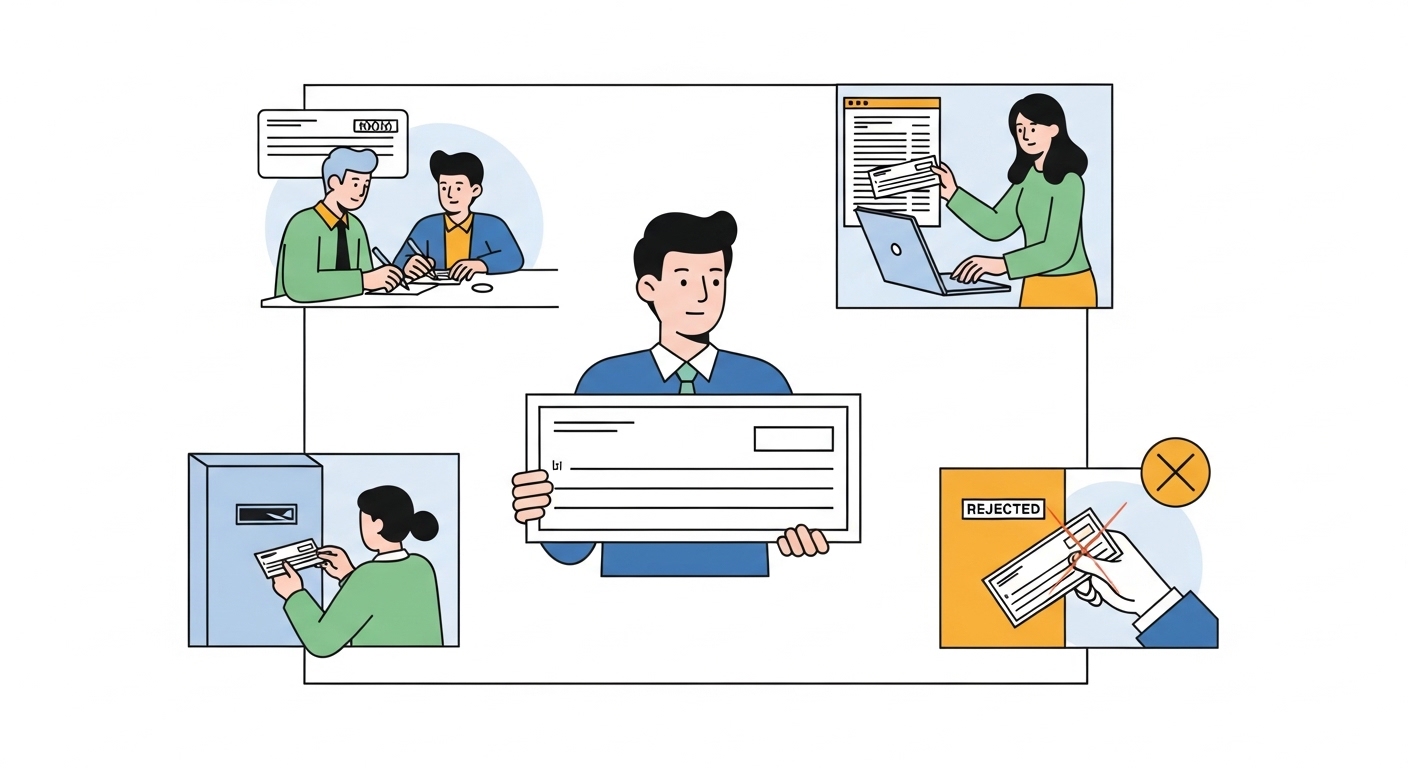
Cheques remain an important way to make payments, especially for larger sums or when you need a clear record of a transaction. However, writing a cheque correctly is crucial to ensure it is accepted by the bank and that your money goes to the right person. This guide will help you understand how to write cheques properly, avoid common mistakes, and keep your money safe.
What is a Cheque and Why Are They Important?
Understanding what a cheque is and how it works is the first step to using them effectively and safely.
Understanding What a Cheque Does
A cheque is a written order that tells your bank to pay a specific amount of money from your bank account to another person or company. It acts as a promise of payment. When someone receives your cheque, they can deposit it into their own bank account or, in some cases, cash it at a bank. Cheques are often used for situations where you don’t want to carry a lot of cash, such as paying for large purchases, rent, or bills.
Your Role When Writing a Cheque
When you write a cheque, you are responsible for several key things:
- Accuracy: All details on the cheque must be correct and clear.
- Funds: You must have enough money in your bank account to cover the amount written on the cheque. If you do not, the cheque will not be paid.
- Safety: You must ensure the cheque is secure and cannot be changed by others.
Preparing to Write Your Cheque
Before you start filling out a cheque, a little preparation can prevent problems.
Choosing the Right Pen
Always use a pen with permanent ink, preferably blue or black. Avoid using pencils or erasable pens, as the details can easily be changed, which could lead to fraud. Gel pens can sometimes smudge, so a ballpoint pen is often the safest choice.
Keeping Your Cheque Book Safe
Your cheque book should be treated like cash. Keep it in a secure place where it cannot be lost or stolen. Do not leave it lying around unattended. If your cheque book falls into the wrong hands, it could be used to take money from your account.
Step-by-Step Guide to Filling Out a Cheque
Filling out a cheque correctly requires attention to detail. Follow these steps carefully.
Writing the Date Correctly
Write the current date in the space provided. In the UK, this is typically in the format of Day, Month, Year (e.g., 25/02/2024 or 25 February 2024). Do not write a future date, as the cheque cannot be paid before that date.
Naming the Person or Company Receiving Money (The Payee)
Write the full and correct name of the person or company you are paying on the line that usually starts with “Pay” or “Pay to the order of”. Make sure the spelling is accurate. For example, if you are paying a company, write its full registered name.
Writing the Amount in Words Clearly
This is a very important step. Write the full amount of money in words, starting from the very beginning of the line to prevent anyone from adding extra words. For example, if you are paying £150.50, you would write “One Hundred and Fifty Pounds and Fifty Pence Only”. Always finish with “Only” to clearly mark the end of the amount.
Writing the Amount in Numbers Carefully
In the box provided, write the amount in numbers. Make sure this number matches the amount you wrote in words exactly. Start writing the numbers close to the ‘£’ symbol to leave no space for extra digits to be added. For example, “£150.50”.
Signing Your Cheque Properly
Sign your cheque in the bottom right-hand corner. Your signature must match the one your bank has on record for your account. If your signature does not match, your bank may refuse to pay the cheque.
Making Your Cheque Safer with “Account Payee Only” (Crossing a Cheque)
To make your cheque more secure, you can “cross” it. This means drawing two parallel lines across the top left-hand corner of the cheque. Between these lines, you can write “Account Payee Only”.
- What it does: This ensures that the money can only be deposited directly into the bank account of the person or company named as the payee. It cannot be cashed by someone else, making it much harder for fraudsters to use if the cheque is lost or stolen.
Common Mistakes to Avoid When Writing Cheques
Even small errors can cause a cheque to be rejected. Be aware of these common pitfalls.
Why Overwriting or Changing Details is Dangerous
Never overwrite, erase, or make corrections on a cheque. Banks will usually reject cheques that have been altered, as this can be a sign of fraud. If you make a mistake, it is always best to cancel the cheque by writing “CANCELLED” across it and then write a new, fresh cheque.
Making Sure Your Signature Always Matches
Your bank keeps a record of your signature. Each time you sign a cheque, the bank compares it to this record. If your signature looks significantly different, the bank may not accept the cheque to protect you from fraud. Practise signing consistently.
Leaving No Empty Gaps on Your Cheque
Always draw a line through any empty spaces after the payee’s name and after the amount in words. This prevents anyone from adding extra names or increasing the amount of money after you have written the cheque.
Understanding “Post-Dated” and “Stale” Cheques
- Post-Dated Cheque: This is a cheque with a future date. It cannot be presented for payment until that date arrives.
- Stale Cheque: This is a cheque that is too old to be accepted by the bank. In the UK, cheques are typically valid for six months from the date they are written, though some banks may honour them for a shorter period, often three months. Always check with your bank if you are unsure.
What Happens if Your Cheque is Not Accepted
If a cheque is not accepted by the bank, it is often referred to as being “bounced” or “dishonoured”. This can happen for several reasons, such as:
- Not enough money in your account.
- A mismatch in your signature.
- Errors in writing the cheque.
- The cheque being stale or post-dated.
When a cheque bounces, your bank may charge you a fee, and the person you were trying to pay will not receive their money. It can also affect your financial reputation.
Keeping Your Cheques and Money Safe
Protecting your cheque book and understanding safe practices is essential for your financial security.
Protecting Your Cheque Book from Theft
Always keep your cheque book in a safe and secure location, just as you would keep cash or important documents. Do not leave it in your car, an unlocked drawer, or any other place where it could easily be stolen.
Never Signing Blank Cheques
It is extremely risky to sign a blank cheque. If you sign a cheque without filling in the payee’s name and the amount, anyone who finds it could fill in any amount and pay themselves from your account. This is a major security risk and should never be done.
What to Do if Your Cheque Book Goes Missing
If you realise your cheque book is missing or has been stolen, you must contact your bank immediately. They will be able to cancel the missing cheques, preventing anyone from using them fraudulently.
Final Advice for Cheque Users
Using cheques can be straightforward if you follow these guidelines.
Always Double-Check Your Cheque
Before you hand over any cheque, take a moment to carefully review all the details. Check the date, the payee’s name, the amount in both words and numbers, and your signature. A quick check can prevent errors and delays.
When Other Payment Methods Might Be Better
While cheques are useful, other payment methods can be faster and more convenient for certain transactions. For instant payments, online banking transfers are often preferred. For regular payments, setting up direct debits or standing orders with your bank can automate the process, ensuring bills are paid on time without the need to write a cheque each month. Consider the best payment method for your specific needs.
Author

