

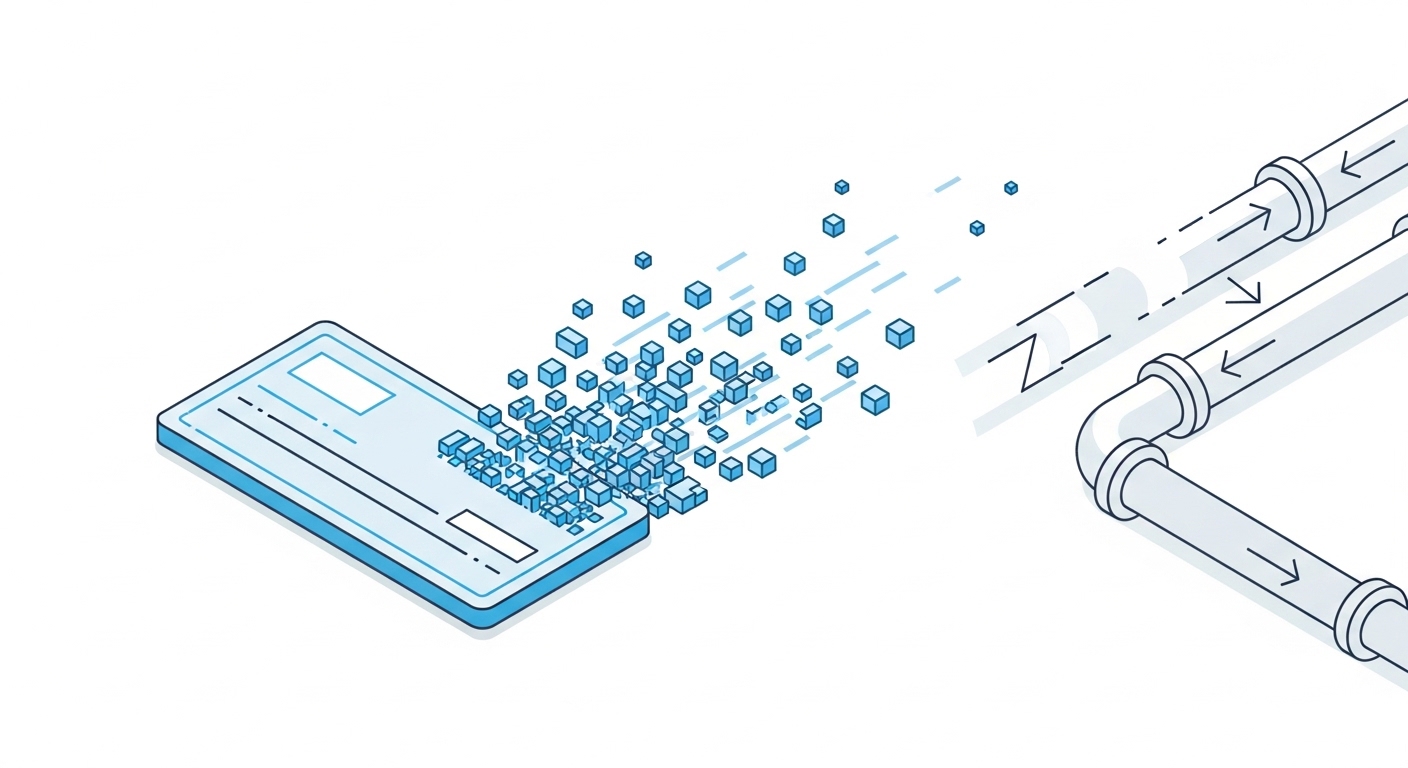
Many people believe that depositing a cheque still means a physical piece of paper travels across cities, causing long delays. Actually, with the Cheque Truncation System (CTS), only a digital image of your cheque is sent between banks, significantly speeding up the entire clearing process.
This modern approach ensures your funds are available much faster, transforming how you experience cheque payments in India. It’s a key part of the move towards a more efficient digital financial system.
Table of Contents
What Is a Cheque and How Does It Work?
A cheque is a written order telling your bank to pay a specific amount of money to another person or organisation from your account. It’s a traditional yet still widely used payment instrument, offering a documented record of transactions. Understanding its basic parts helps you use it correctly and safely.
You write a cheque by filling in the date, the payee’s name, the amount in both figures and words, and then signing it. This instructs your bank to release funds from your account. The careful completion of these details is crucial for the cheque to be valid and clear successfully.
Basic Cheque Components
When you look at a cheque, you’ll see several important areas that must be filled out correctly. Each part serves a specific purpose in ensuring the payment reaches the right person. Incorrect or incomplete details can lead to delays or even a bounced cheque.
- Date: This indicates when the cheque was written and helps determine its validity period, typically three months from the issue date.
- Payee’s Name: This is the person or entity who will receive the funds. You must write their full, correct name.
- Amount in Figures: The numerical value of the payment, usually written in a box to prevent alteration.
- Amount in Words: The same amount written out in words, which acts as a safeguard against tampering with the numerical value.
- Signature: Your authorised signature, which authenticates the cheque and authorises the bank to process the payment.
- Account Number & IFSC: These are pre-printed at the bottom, identifying your bank and specific account for processing.
Parties Involved in Cheques
Three main parties are always involved in any cheque transaction. Knowing their roles helps you understand the flow of money and responsibilities. Each plays a vital part in ensuring the payment is completed.
- Drawer: This is you, the person who writes and signs the cheque, instructing your bank to pay. You are responsible for having sufficient funds in your account.
- Drawee: This is your bank, the institution that holds your account and is directed to pay the amount specified on the cheque. They verify the cheque’s authenticity and your signature.
- Payee: This is the person or organisation to whom the money is being paid. They deposit the cheque into their own bank account to receive the funds.
Pro Tip: Writing a Cheque Safely
Always use a non-erasable blue or black pen to fill out a cheque, ensuring all details are clear and cannot be easily altered. Fill in all fields completely to prevent any fraudulent additions.
The Traditional Way Cheques Were Cleared
Before modern systems, cheque clearing was a slow and labour-intensive process. It involved the physical movement of cheques between different bank branches and clearing houses. This method often led to significant delays in funds becoming available.
This traditional system was prone to various inefficiencies and risks. The time taken for a cheque to clear could sometimes stretch for several days, especially if the banks were in different cities. This meant you had to wait longer for your money.
Physical Cheque Movement
The old process required the actual paper cheque to travel from the bank where it was deposited to the bank of the person who wrote it. This was a complex logistical exercise, often involving multiple steps and couriers. Each step added to the overall clearing time.
Step 1: You would deposit a cheque at your bank branch, and your bank would then physically send it to a local clearing house.
Step 2: The clearing house would sort cheques and send them to the respective drawee banks, often in large batches.
Step 3: The drawee bank would receive the physical cheque, verify the signature and funds, and then debit the drawer’s account.
Step 4: Finally, the drawee bank would send the cheque back through the clearing house to your bank, confirming the payment, and only then would the funds be officially credited to your account.
Hover to preview each step · Click to pin the details open
Longer Clearing Times
The physical movement of cheques directly contributed to extended clearing periods. Depending on the distance between banks and the number of intermediaries, a cheque could take anywhere from 3 to 10 working days to clear. This uncertainty made financial planning more challenging.
Such delays were particularly frustrating for businesses and individuals needing quick access to funds. The process was heavily reliant on transportation networks and manual handling. Any disruption, like bad weather or logistical issues, could further prolong the waiting period.
Risks of Manual Handling
The traditional system also carried inherent risks due to its manual nature. Physical cheques could be lost, damaged, or even tampered with during transit. Each handling point introduced an opportunity for error or fraud.
Common Confusion: Cheque Delivery
It is commonly assumed that physical cheques are still couriered between banks for clearing, especially for large amounts
With CTS, only the digital image travels, eliminating the need for physical movement across cities and significantly reducing transit risks.
Furthermore, the manual verification of signatures and other details was time-consuming. This meant that fraudulent cheques might not be detected as quickly as they are with modern digital systems. The security of your payment was more vulnerable in the past.
Read More
Does UPI work if SIM is blocked?What Does CTS Cheque Clearing Mean for You?
Cheque Truncation System (CTS) represents a major leap forward in cheque processing, moving from a physical system to a digital one. Introduced by the Reserve Bank of India (RBI), it has fundamentally changed how cheques are cleared across the country. This system directly impacts your payment timeline, making it much faster.
CTS essentially stops the physical movement of cheques by replacing them with electronic images. When you deposit a cheque today, your bank captures its image and relevant data, then transmits this information digitally. This digital approach is a cornerstone of India's modern payment infrastructure.
Introducing Cheque Truncation System
The RBI introduced CTS to enhance the efficiency and security of the cheque clearing process. This system ensures that cheque payments are processed quickly and reliably. It's a crucial component of the country's broader digital transformation in financial services.
Quick Context: What is CTS?
Cheque Truncation System is a digital image-based cheque clearing system introduced by the Reserve Bank of India to speed up and secure cheque processing.
CTS has been implemented nationwide, meaning almost all cheques you issue or receive are now processed through this digital method. This standardisation brings uniformity and predictability to cheque clearing times. It also reduces the operational burden on banks.
Digital Processing of Cheques
Under CTS, the physical cheque is "truncated" at the collecting bank itself, or at a presenting bank. This means the paper cheque stops moving, and instead, an electronic image of the cheque, along with its associated data, is sent to the drawee bank. This digital transfer is much faster than physical transportation.
This digital processing minimises the chances of cheques getting lost or damaged. It also allows banks to process a much higher volume of cheques daily. You benefit from this efficiency through quicker fund availability.
Modernising Cheque Payments
CTS has played a significant role in modernising India's payment landscape. It aligns cheque clearing with other digital payment methods like NEFT and RTGS, which are already fully electronic. This ensures that even traditional payment instruments benefit from digital advancements.
The system supports the broader objective of promoting digital transactions and reducing reliance on paper. While cheques remain a valid payment option, CTS makes them more compatible with the speed and security expectations of 2026. It bridges the gap between old and new payment methods.
How Does Cheque Truncation System Work?
The Cheque Truncation System operates on a simple yet highly effective principle: digitisation. Instead of physically moving cheques, it captures their essential details and images electronically. This process ensures rapid and secure communication between banks.
When you deposit a cheque, your bank uses specialised equipment to create a digital record. This record is then transmitted through secure channels. The entire operation is designed for speed and accuracy, significantly cutting down on clearing times.
Capturing Cheque Images
The first step in the CTS process involves your bank capturing high-resolution images of the cheque you've deposited. Both the front and back of the cheque are scanned, ensuring all relevant information is recorded. This includes the cheque number, account number, IFSC, and the Magnetic Ink Character Recognition (MICR) code.
This image capture happens at the presenting bank branch or a designated service branch. The digital image then becomes the primary document for processing. This eliminates the need for the physical cheque to travel any further.
Electronic Data Transfer
Once the images are captured, the essential data from the cheque is extracted and encrypted. This data, along with the digital images, is then transmitted electronically to the clearing house. The transmission uses secure networks, protecting your financial information.
The clearing house acts as a central hub, receiving digital cheque data from all presenting banks. It then sorts this data and forwards it to the respective drawee banks. This electronic transfer is almost instantaneous, unlike physical courier services.
Bank-to-Bank Communication
Upon receiving the electronic data and images from the clearing house, the drawee bank performs its verification process. This includes matching the signature on the digital image with the specimen signature on file and checking for sufficient funds. All these checks are performed digitally.
If the cheque is valid and funds are available, the drawee bank debits the drawer's account. It then sends an electronic confirmation back through the clearing house to the presenting bank. This efficient communication ensures a swift resolution of the payment.
No Physical Cheque Movement
The most significant feature of CTS is the complete elimination of physical cheque movement between banks. The paper cheque stays at the presenting bank, which stores it securely. Only the digital representation travels through the system.
Step 1: You deposit a cheque at your bank, where a high-resolution image of the front and back is captured.
Step 2: Your bank extracts key data (like MICR code and amount) from the cheque and encrypts it.
Step 3: The encrypted image and data are transmitted electronically to the central clearing house.
Step 4: The clearing house forwards this digital information to the drawee bank (the bank of the person who wrote the cheque).
Step 5: The drawee bank verifies the signature and funds digitally, then debits the drawer's account and sends electronic confirmation.
Step 6: Your bank receives the confirmation, and the funds are then made available in your account.
Hover to preview each step · Click to pin the details open
Key Benefits of CTS for Cheque Users
The implementation of CTS has brought numerous advantages that directly benefit you as a cheque user. These improvements are designed to make your banking experience smoother, safer, and more predictable. It's a system built for the demands of modern financial transactions.
From quicker access to your money to enhanced protection against fraud, CTS offers significant upgrades over the traditional method. It aligns cheque payments with the efficiency you expect from digital banking in 2026. This modernisation is a win for everyone.
Faster Cheque Clearing
One of the most noticeable benefits of CTS is the dramatically reduced cheque clearing time. What once took several days can now often be completed within the same day or by the next working day. This speed is crucial for managing your finances effectively.
The elimination of physical transit is the primary reason for this acceleration. With digital images travelling instantly, the entire processing cycle is compressed. This means you gain access to your funds much sooner than before.
Enhanced Security Features
CTS incorporates advanced security features to protect your transactions. The digital images are encrypted during transmission, safeguarding them from interception or tampering. This ensures the integrity of your cheque information throughout the clearing process.
Banks also use sophisticated software to detect any alterations or fraudulent attempts on the cheque images. This proactive approach significantly reduces the risk of fraud. You can have greater confidence in the security of your cheque payments.
Reduced Fraud Risk
The digital nature of CTS inherently reduces several types of fraud associated with physical cheques. There's no risk of a cheque being lost or stolen during transit, which was a common concern previously. The system also makes it harder to present forged cheques.
| Feature | Traditional Clearing (Before CTS) | CTS Cheque Clearing (2026) |
| Physical Movement | Required for every cheque | Only digital images are transmitted |
| Clearing Time | 3-10 working days, depending on location | Same day or next working day |
| Fraud Risk | Higher risk of physical loss, theft, tampering | Reduced due to encryption and digital verification |
| Efficiency | Manual, labour-intensive, prone to delays | Automated, streamlined, high volume processing |
| Environmental Impact | High paper consumption for physical movement | Significantly reduced paper usage |
Furthermore, the quick verification process means that any suspicious activity can be flagged and addressed much faster. This rapid response is a powerful deterrent against fraudulent activities. Your money is better protected.
Improved Customer Service
Faster clearing times and reduced fraud contribute to a better overall customer experience. You receive clearer, more predictable timelines for your funds. This transparency helps you plan your financial activities more accurately.
Any queries or issues related to cheque clearing can also be resolved more quickly due to the digital trail. Banks have immediate access to the cheque images and data, streamlining customer support. This means less waiting for you.
Environmentally Friendly Process
By eliminating the need for physical transportation of cheques, CTS also offers environmental benefits. It reduces paper consumption for printing and couriering, and it lessens the carbon footprint associated with logistics. This small change contributes to a larger positive impact.
This green initiative aligns with global efforts towards sustainable practices in the financial sector. It's a testament to how digital transformation can also serve ecological goals. You're participating in a more eco-conscious banking system.
Understanding Your Cheque Payment Timeline
Knowing exactly when your cheque will clear and when funds will be available is crucial for your financial planning. With CTS, timelines are significantly shorter and more predictable than in the past. However, a few factors can still influence the exact moment funds appear in your account.
The Reserve Bank of India (RBI) has set clear guidelines for cheque clearing, ensuring uniformity across banks. Understanding these standards helps you anticipate when your money will be ready for use. It removes much of the guesswork.
Standard Clearing Periods
Under CTS, most cheques clear either on the same day or by the next working day. This applies to both local and outstation cheques, as the physical distance no longer matters. The speed is a direct result of the digital processing.
- Local Cheques: Typically clear within one working day. If deposited before the cut-off time (usually mid-afternoon), funds might be available on the same day.
- Outstation Cheques: Also clear within one working day, as the digital image is transmitted instantly regardless of location. This is a significant improvement from the traditional system.
- High Value Cheques: Cheques for larger amounts might undergo additional scrutiny, but the digital clearing timeline generally remains the same. Banks might place a temporary hold on withdrawal until final confirmation.
Impact of Bank Holidays
Bank holidays can affect the cheque clearing timeline, as banks do not process transactions on these days. If you deposit a cheque just before a holiday or on the last working day before a long weekend, the clearing period will extend. Always factor in public holidays when expecting funds.
Common Confusion: Funds Availability
Funds from a deposited cheque are available for immediate withdrawal once the amount appears in your account balance
Even if the amount is shown, it might be subject to final clearing, and you should confirm with your bank before withdrawing substantial sums to avoid any issues.
The clearing cycle pauses on non-working days and resumes on the next business day. For instance, a cheque deposited on a Friday might only fully clear by Monday or Tuesday if there's a weekend break. Always check the official holiday calendar for 2026.
Real-time Fund Availability
While the cheque clearing process is fast, real-time fund availability means different things to different banks. Some banks might show the credited amount in your account immediately after the clearing process is complete. Others might have a slight delay before the funds are fully available for withdrawal or further transactions.
It's always a good practice to verify with your bank regarding their specific policy on fund availability. This is especially important for large sums or if you need to make immediate payments from those funds. Don't assume immediate access.
When Funds Are Credited
The funds are officially credited to your account once the drawee bank has successfully debited the drawer's account and confirmed this with your bank. This confirmation happens electronically through the CTS network. You will typically receive an SMS notification from your bank once the credit is successful.
Pro Tip: Checking Cheque Status
You can often check the status of a deposited cheque through your bank's online banking portal or mobile app. This provides real-time updates on whether the cheque has cleared or is still in process.
The credited amount will then reflect in your account balance. While the amount might appear, remember the earlier point about full withdrawal availability. Always ensure the funds are 'clear' for use, not just 'credited'.
Read More
Does AutoPay require a PIN?What Happens If Your Cheque Bounces?
A bounced cheque, also known as a dishonoured cheque, occurs when a bank refuses to process a cheque. This can happen for several reasons and carries significant financial and legal implications for the person who issued it. Understanding these consequences is vital.
It's a situation you definitely want to avoid, as it can damage your financial reputation and lead to penalties. Both the drawer and the payee can face issues when a cheque bounces. Being aware of the causes helps prevent this problem.
Reasons for Cheque Bouncing
Several factors can lead to a cheque being dishonoured by the bank. Most commonly, it's due to insufficient funds, but other technical issues can also cause a bounce. Each reason results in the cheque being returned unpaid.
- Insufficient Funds: This is the most common reason, meaning the drawer's account does not have enough money to cover the cheque amount.
- Signature Mismatch: If the signature on the cheque does not match the specimen signature held by the bank, it will be returned.
- Date Issues: An expired cheque (older than three months) or a post-dated cheque (dated for the future) will not be honoured.
- Mismatched Amounts: If the amount in figures and words do not match, the cheque will be bounced.
- Overwriting or Alterations: Any significant corrections or overwriting on the cheque without proper countersigning can lead to its rejection.
- Account Closed/Frozen: If the drawer's bank account is closed or frozen, the cheque cannot be processed.
Financial Implications for You
If your cheque bounces, you will incur financial penalties from your bank. Both your bank and the payee's bank will levy charges for the dishonoured cheque. These charges can vary but often range from Rs 150 to Rs 500 per instance.
Beyond bank charges, you might also have to pay a penalty to the payee, especially if the cheque was for a payment like an EMI or bill. A bounced cheque can also negatively impact your credit score, making it harder to get loans in the future. It signals financial mismanagement.
Legal Consequences Involved
In India, issuing a cheque that bounces due to insufficient funds is a serious matter with legal ramifications under the Negotiable Instruments Act, 1881. Section 138 of this Act makes cheque bouncing a criminal offence. You could face legal action if the payee decides to pursue it.
Author

