

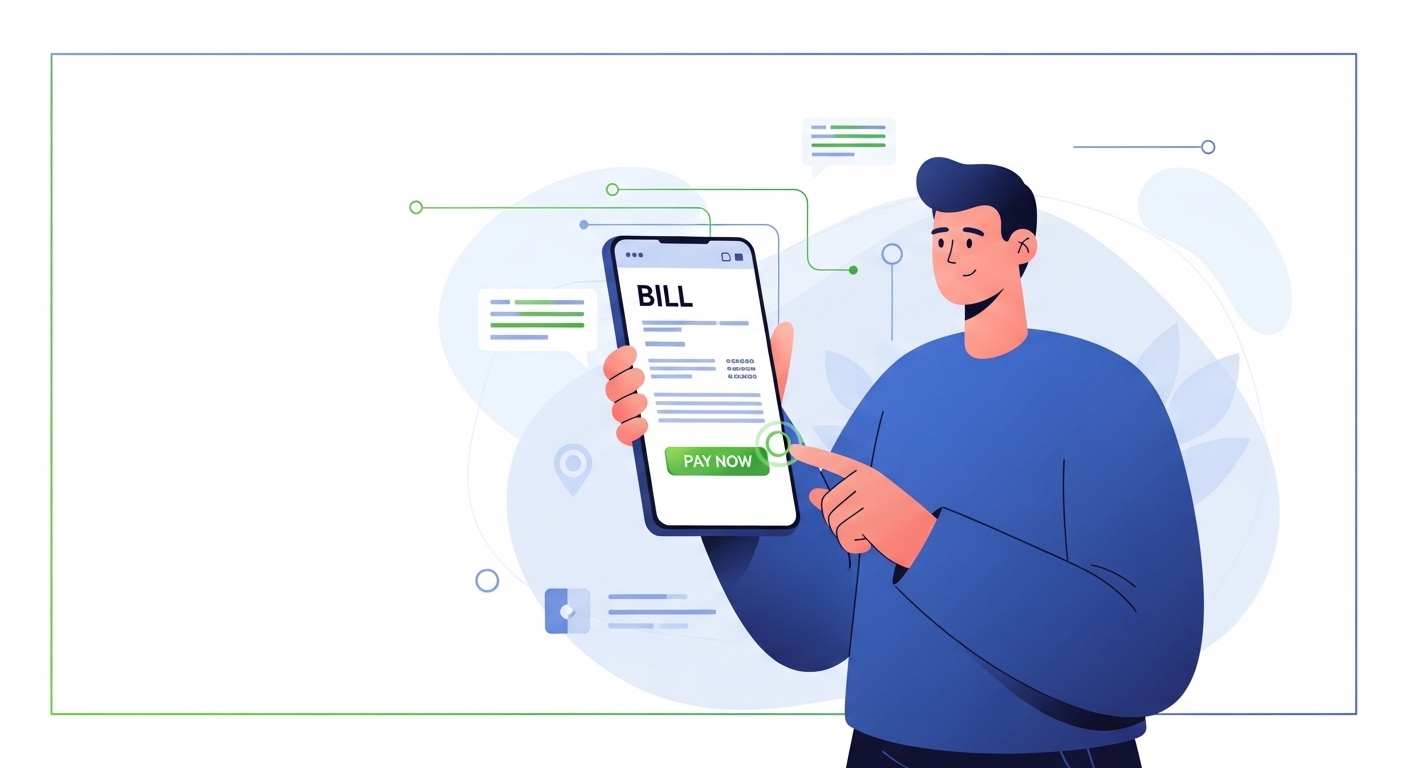
‘My electricity bill is ₹3,500 this month!’ ‘But last month it was only ₹1,800, and I used less electricity!’ This sudden jump in utility costs can make anyone feel confused and worried, especially when you’re trying to manage your household budget in India.
You might wonder if you’ve been charged too much, or if there’s a mistake in the numbers somewhere. When this happens with your electricity, water, or gas bill, knowing how to check and challenge it is very important for your peace of mind and your wallet.
Understanding Your Utility Bills
A utility bill is a statement you receive regularly for services like electricity, water, or gas that you use in your home or business. These bills tell you how much service you’ve consumed and the cost you need to pay for it. They are essential for keeping your household running smoothly.
Bills are important because they are a legal document outlining your consumption and the charges. Paying them on time ensures you continue to receive these vital services without interruption. If you don’t pay, your service provider might disconnect your supply after a certain period, which nobody wants.
Quick Context: What’s on my utility bill?
A typical Indian utility bill includes your consumer number, meter reading (current and previous), consumption units, tariff rates, fixed charges, taxes, and the due date.
You can spot mistakes by comparing your current bill with previous ones. Look for sudden, unexplained increases in consumption or charges. Always check the meter reading printed on your bill against the actual reading on your meter at home. A surprising fact is that many bills include a ‘fuel surcharge adjustment’ which can vary significantly based on global energy prices, often leading to unexpected increases that aren’t directly related to your usage. For instance, the average Indian household spends about 8-10% of its monthly income on utilities, making any error quite impactful.
What Are Digital Payments?
Digital payments are simply ways to pay for things using electronic methods rather than cash. This means using your phone, computer, or other devices to send money directly from your bank account to the service provider. It’s a fast and convenient way to handle your finances.
How digital payments work is quite clever. When you make a payment, your bank sends a secure message through a system like the National Payments Corporation of India (NPCI) to the recipient’s bank. This message confirms you have enough money and then transfers it. The whole process is often instantaneous, meaning the money moves almost immediately, which is why it’s so popular across India. Digital payments processed over 15 billion transactions monthly by March 2026, according to NPCI reports, showing just how widely they are used.
Common Confusion: Is paying online safe?
Many people worry about the security of digital payments. The reality is that digital payments are highly secure, using encryption and multi-factor authentication (like OTPs) to protect your money, often making them safer than carrying large amounts of cash.
The benefits for your money are clear. Digital payments offer convenience, allowing you to pay bills from anywhere at any time. They also provide an automatic, detailed record of every transaction. This record is invaluable for budgeting, tracking expenses, and, crucially, for disputing any incorrect charges you might encounter later. You should always ensure you’re using a secure network when making payments to protect your personal information.
Your Digital Payment Records
Your digital payment records are like a detailed diary of every transaction you’ve made online. They show the date, time, amount, and who you paid. These records are incredibly helpful because they give you solid proof of payment, which is exactly what you need if there’s ever a question about a bill.
Finding your payment history is usually straightforward. Most banks and payment apps offer an option to view your transaction history or download statements. For example, after you log into your bank’s mobile app, you’ll typically find a ‘Transactions’ or ‘Statements’ section. After clicking ‘View Statement’, you’ll often see a PDF download option for a specific period. This PDF will list all your payments, including utility bills. For most Indians, downloading monthly statements is the better choice because it provides a clear, unchangeable record that’s easy to store and access when needed.
Pro Tip: Secure your statements
Always download your bank statements and utility payment receipts and store them in a secure, organised folder on your computer or cloud storage. This prevents loss and ensures you have access even if online services are temporarily unavailable.
Keeping these records safe is paramount. They contain sensitive financial information. Always protect your login details and never share them. Regularly backing up your digital statements ensures you have copies even if your phone or computer is lost or damaged. You might find that some smaller co-operative banks may have limited online history, requiring a branch visit to get older statements, so it’s wise to download them regularly.
How to Dispute an Incorrect Bill
When you spot an error on your utility bill, don’t panic. Taking the right steps can help you get it sorted.
Here are the steps to take:
Review the Bill Carefully
Double-check every line item on the bill. Compare the meter readings with your own records or the actual meter. Look at the billing period and ensure it matches your expectations.
Gather Your Digital Payment Evidence
Collect all relevant digital payment records. This includes transaction IDs, payment dates, amounts paid, and confirmation receipts from your bank or payment app. This proof is crucial because it clearly shows what you’ve paid and when.
Note Down Discrepancies
Write down exactly what you believe is incorrect. Is it the usage units? An extra charge? A payment not reflected? Be specific.
Quick Context: What is a consumer number?
Your consumer number is a unique identification code assigned by your utility provider. You’ll need this number when contacting them to dispute a bill, as it helps them quickly find your account details.
Contacting the provider is the next crucial step. You should first call their customer service helpline. When you speak to them, explain the issue clearly and calmly. Always note down the date and time of your call, the name of the person you spoke to, and a reference number for your complaint. This creates a record of your attempt to resolve the issue. For example, Priya from Bengaluru noticed an extra ₹1,200 charge on her electricity bill that wasn’t there before. She checked her digital records, found all her past payments, and then called her electricity board. After explaining, she was given a complaint ID and told to email her payment proofs.
Resolving Your Bill Problem
Once you’ve contacted your utility provider, they’ll start an investigation process. This usually involves checking their billing system, your meter readings, and your payment history. They will compare your provided evidence with their internal records. This may take 24-48 hours, or sometimes longer, depending on the complexity of the issue and the provider’s internal procedures.
Possible solutions you get can vary. If a mistake is found, the provider might issue a revised bill, credit your account for the overcharged amount, or even offer a refund. You might see a credit appear on your next bill, reducing the amount you owe. They should also explain why the error occurred to prevent it from happening again. Many consumers don’t realise that utility providers are legally required to resolve billing disputes within 30 days under the Consumer Protection Act, 2019.
| Resolution Stage | Action You Take | What You Can Expect | Recommendation |
| Initial Contact | Call customer service, explain the issue, provide complaint details. | Complaint registered, initial investigation started. | Keep a record of call details (date, time, agent name, reference number). |
| Evidence Submission | Email digital payment proofs (transaction IDs, receipts, bank statements). | Provider verifies your evidence against their records. | Ensure all submitted documents are clear and relevant. Follow up if no confirmation is received. |
| Investigation & Resolution | Patiently wait for the provider’s investigation, follow up periodically. | Revised bill, account credit, or refund issued. Explanation for the error provided. | Confirm the resolution reflects the correct amount. If a credit is issued, ensure it appears on your next bill. |
| Escalation (if needed) | If dissatisfied, file a complaint with the District Consumer Disputes Redressal Commission. | Formal legal process to resolve the dispute. | Gather all communication records and evidence. Seek legal advice if necessary. |
Common Confusion: Will I get my money back quickly?
Not always. While providers aim for quick resolution, getting a credit or refund might take time, especially if the investigation is complex. It’s important to be patient and keep following up.
When to seek more help is crucial if you believe the provider’s resolution is unfair or incorrect. You can escalate the matter to a consumer forum. In India, the Consumer Protection Act, 2019, allows you to file a complaint with the District Consumer Disputes Redressal Commission. You should always start with the provider’s customer service, but be ready to escalate if you don’t get a fair resolution.
Preventing Future Billing Issues
Preventing problems is always better than fixing them. By adopting a few smart habits, you can significantly reduce the chances of incorrect utility bills causing you stress.
Checking bills regularly is the first step. Don’t just glance at the total amount and pay. Take a few minutes each month to review your bill thoroughly. This helps you catch any discrepancies early. For instance, Diwali in 2025 falls in October – verify exact date at drikpanchang.com. Utility usage often spikes around festivals due to increased lighting and appliance use, so check your bills closely then for any unusual jumps. A common mistake people make is ignoring small, recurring discrepancies, which can add up over time.
Pro Tip: Set up automatic bill alerts
Many utility providers offer email or SMS alerts for bill generation and due dates. Sign up for these to ensure you never miss a bill or a payment reminder.
Setting up payment reminders ensures you never miss a due date, which can lead to late fees or even service disconnection. You can use your bank’s reminder service, calendar apps on your phone, or even simply write it down. This simple step helps you avoid unnecessary charges and keeps your payment history clean.
Smart payment habits involve more than just paying on time. Always keep a digital record of your payments. Use traceable digital methods for all utility payments. Periodically check your meter readings yourself and compare them with the readings on your bill. If you notice a significant difference, contact your provider immediately. This proactive approach helps you stay in control of your utility expenses.
Why Accurate Records Matter
Accurate digital payment records are more than just transaction histories; they are a powerful tool for your financial well-being. They provide a clear, undeniable trail of your payments, protecting you from potential billing errors and disputes.
Protecting your finances is a primary reason to keep accurate records. Imagine being wrongly charged ₹5,000 on your electricity bill. Without proof of your correct payments, it would be much harder to argue your case and get your money back. Your digital records act as your financial shield, ensuring you only pay for what you’ve actually used and owed. The Reserve Bank of India (RBI) consistently emphasises the importance of maintaining digital transaction records for consumer protection and financial transparency, highlighting their crucial role.
Gaining peace of mind comes from knowing you have proof if something goes wrong. You won’t have to worry about losing cash receipts or forgetting payment details. With digital records, all the information you need is securely stored and easily accessible. This certainty allows you to manage your household budget with confidence, free from the stress of potential billing errors.
Your digital payment power lies in the control it gives you. You’re not relying on someone else’s word; you have the facts in your hand. This power extends beyond just disputing bills; it helps you track spending, plan budgets, and make informed financial decisions. By embracing digital payments and diligently maintaining your records, you’re taking a significant step towards greater financial security and clarity in your daily life.
Conclusion
Understanding Incorrect Utility Bill? How Digital Payment Records Help You Dispute & Resolve Issues can help you make informed decisions. By following the guidelines outlined above, you can navigate this topic confidently.
Author

