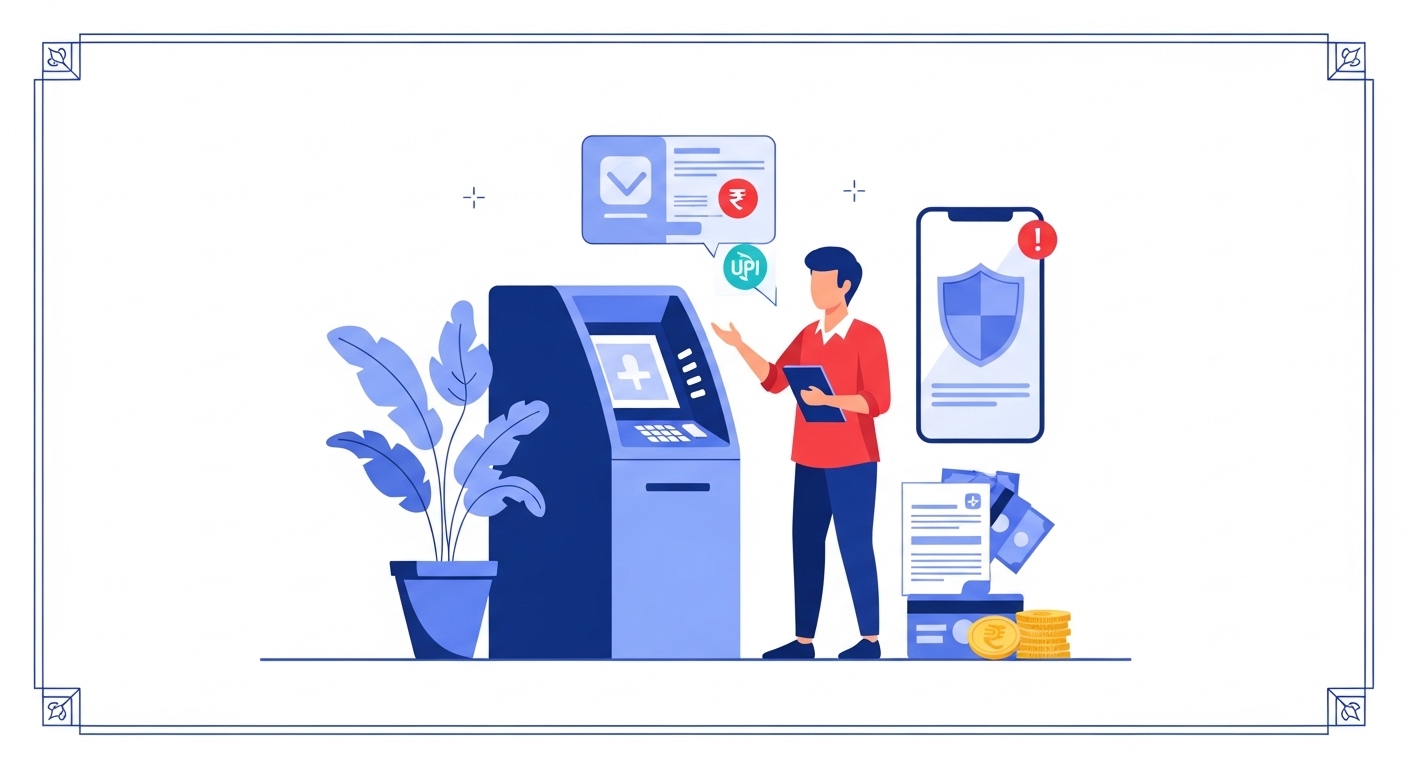
‘Excuse me, sir, your card is stuck.’ ‘Oh, thank you, I didn’t even notice!’ This seemingly helpful interaction at an ATM, especially late at night or in an unfamiliar area, is often the start of a serious problem. It’s a common trick used by criminals to get hold of your card or personal details without you realising.
Understanding these pitfalls and knowing how to protect yourself is crucial in 2026. This guide will walk you through the essential security tips for using ATMs, focusing on common mistakes people make and how you can easily avoid them to keep your money and yourself safe. You’ll learn what to do before, during, and after your transaction.
Table of Contents
What Is ATM Security?
ATM security involves a set of precautions and best practices designed to protect users from financial fraud and physical harm while accessing automated teller machines. This includes safeguarding your personal identification number (PIN) and being aware of your surroundings to prevent theft or skimming devices.
The Ministry of Home Affairs (MHA) provides general guidelines for public safety, stressing vigilance in vulnerable locations. Failing to follow these basic security steps can lead to unauthorised transactions, identity theft, or even physical danger.
If you suspect any fraudulent activity or have been a victim of cyber fraud related to an ATM, you should immediately report it to your bank and then file a complaint on the official Cyber Crime Portal (cybercrime.gov.in).
Why Is ATM Safety Important?
Using an ATM might seem like a routine task, but it carries specific risks, especially when you’re visiting one at night or in an unknown area. Many people make the mistake of treating all ATM visits the same, regardless of the time or location. You’re putting yourself and your money at risk if you don’t adjust your behaviour.
It’s about more than keeping your cash safe; it’s also about your personal security. Ignoring basic precautions can turn a simple withdrawal into a distressing incident. You don’t want to find yourself in a difficult situation because you overlooked a simple safety measure.
Protecting Your Money
One of the biggest mistakes people make is assuming their money is automatically safe because they’re at a bank’s ATM. This isn’t always true. Criminals are always looking for opportunities to steal your cash directly or to ‘skim’ your card details for later use.
Your financial security depends heavily on your awareness and actions at the ATM. If your card details are compromised, it can lead to unauthorised withdrawals, emptying your account before you even realise it. Protecting your money means being proactive, not reactive.
Keeping You Safe
Beyond financial loss, your physical safety is paramount. ATMs in isolated or poorly lit areas can be targets for robbers. The mistake here is thinking ‘it won’t happen to me’ and entering an unsafe location without a second thought.
You must remember that your personal well-being comes first. Being robbed can be a traumatic experience, even if you don’t lose much money. Always prioritise your safety over the convenience of a quick cash withdrawal.
Quick Context: The Dual Threat
ATM security isn’t about protecting your money; it’s also about safeguarding your personal safety. Neglecting one aspect can compromise the other.
Preparing for Your ATM Visit
Preparation is key to avoiding common mistakes that can lead to security breaches at ATMs. Many people rush to an ATM without thinking, especially when they’re in a hurry or it’s late. You can prevent many issues by taking a few moments to plan your visit.
Thinking ahead means you’re less likely to be caught off guard. This proactive approach significantly reduces your vulnerability to criminals. It’s a small investment of time for a large return in peace of mind.
Choose Safe Locations
A common mistake is using the closest ATM without considering its surroundings. You should always opt for ATMs located inside bank branches, busy shopping centres, or well-lit areas with plenty of foot traffic. These locations usually have better surveillance and are less appealing to criminals.
Avoid ATMs that are in isolated spots, hidden from view, or in dark alleys. If an ATM looks suspicious or feels unsafe, it probably is. Trust your gut feeling and find another machine.
Scan Your Surroundings
Another critical mistake is approaching an ATM with your head down, focusing only on the machine. Before you even get close, you need to look around carefully. Check for anyone loitering nearby, especially if they seem out of place or are watching you.
You should scan the area 360 degrees, paying attention to people in parked cars or those standing suspiciously close. If anything feels off, don’t proceed with your transaction. It’s always better to be safe than sorry.
Stay Focused
Distraction is a criminal’s best friend. Many people make the mistake of being on their phone, listening to music, or talking to someone while at the ATM. Your full attention needs to be on your transaction and your surroundings.
You must avoid any form of distraction that could prevent you from noticing a threat. A moment of inattention is all it takes for someone to snatch your cash or card. Keep your phone in your pocket until you’re safely away.
Have Your Card Ready
Fumbling for your card in your wallet or bag while standing at the ATM is a common error. This delay gives potential criminals more time to observe you and plan their move. You should have your card easily accessible before you even reach the machine.
This simple step allows you to complete your transaction faster and minimise your exposure. Your card should be ready to insert the moment you get to the machine.
Inform Someone
A mistake often made, especially when visiting an ATM at an unusual time or location, is not telling anyone where you’re going. It’s a good practice to let a trusted friend or family member know your plans. You can tell them which ATM you’re visiting and roughly when you expect to be back.
This provides an extra layer of safety, as someone will be aware of your whereabouts. If something were to go wrong, they would know to check on you or alert authorities.
Common Confusion: ATM security only matters if you’re withdrawing a lot of cash.
The misunderstanding here is that small withdrawals are safe from criminals.
Even a small amount of cash is attractive to thieves, and your card details can be stolen regardless of the transaction amount.
Steps to Prepare for an ATM Visit
To ensure a safer ATM experience, follow these preparatory steps carefully:
Step 1: Identify a safe ATM location beforehand, preferably inside a bank or a well-lit, busy area, and avoid isolated machines.
Step 2: Have your ATM card ready in your hand or easily accessible before you approach the machine, preventing fumbling.
Step 3: Inform a trusted person about your ATM visit, especially if it’s at night or in an unfamiliar place, including the location and approximate time.
Step 4: Mentally prepare to stay focused and avoid distractions like your phone while at the ATM.
What to Do at the ATM
Once you’re at the ATM, your actions during the transaction are crucial for maintaining security. Many people rush through the process, making themselves vulnerable to various threats. You need to be methodical and alert every step of the way.
It’s not about speed; it’s about being aware of common tricks and taking deliberate steps to counter them. Your vigilance at this stage can prevent significant losses.
Check for Odd Devices
A common and dangerous mistake is not inspecting the ATM for ‘skimming’ devices. These are gadgets criminals attach to the card reader or keypad to steal your card details and PIN. You should always check for anything that looks out of place, loose, or oddly fitted on the card slot, keypad, or even the camera area.
According to CERT-In (2026), cybercriminals constantly evolve their methods, making it vital for users to be vigilant against physical tampering. Wiggle the card reader, check if the keypad feels spongy, and look for tiny cameras. If anything seems suspicious, don’t use that ATM.
Shield Your PIN
Another critical mistake is entering your PIN without shielding the keypad. Even if you think no one is watching, a hidden camera could be recording your enter. You must always use your free hand or body to completely cover the keypad while you enter your PIN.
This simple action prevents anyone, whether physically present or using a hidden camera, from seeing your confidential number. Make it a habit every single time you use an ATM.
Complete Quickly
Lingering at the ATM after your transaction is a common error that can increase your risk. Once you’ve completed your withdrawal, you should take your cash, card, and receipt quickly. Don’t stand there counting your money or checking your balance for too long.
Your goal is to minimise the time you spend exposed at the machine. The faster you complete your transaction and leave, the less opportunity criminals have to target you.
Secure Your Cash
Many people make the mistake of counting their cash right at the ATM, or stuffing it into their wallet while still exposed. This draws attention to the fact that you have withdrawn money. You must secure your cash immediately.
Put your money directly into your wallet or bag without displaying it. If you need to count it, do so discreetly and quickly, perhaps inside your car or once you are in a safe, private location.
Take Your Card
Forgetting your ATM card in the machine is a surprisingly common mistake, especially when you’re distracted or in a hurry. You must ensure you retrieve your card before walking away. Many ATMs will hold onto the card if not taken within a certain timeframe.
Always double-check the card slot before you leave. Losing your card means immediate risk of unauthorised transactions and the hassle of blocking and reordering.
Get Your Receipt
Another oversight is leaving your transaction receipt behind. This receipt contains sensitive information about your bank, account number, and transaction details. You should always take your receipt, even if you plan to discard it later.
Never leave receipts in the ATM’s bin or on the ground. You can shred them at home or dispose of them securely. This prevents criminals from gathering information that could be used for identity theft.
Pro Tip: The “Tap Test”
Before inserting your card, gently tap around the card slot, keypad, and screen. If any part feels loose, wobbly, or comes off easily, it could be a skimming device.
Safe vs. Unsafe ATM Practices
| Safe Practice | Common Mistake | Why it Matters |
| Shielding your PIN | Entering PIN openly | Prevents hidden cameras or onlookers from seeing your number. |
| Checking for skimmers | Not inspecting the machine | Protects your card details from being stolen by fraudulent devices. |
| Securing cash immediately | Counting cash openly at ATM | Reduces visibility of your money, making you less of a target. |
| Taking your receipt | Leaving receipt behind | Prevents sensitive account information from falling into wrong hands. |
After Your ATM Transaction
Your security measures shouldn’t end the moment you walk away from the ATM. What you do immediately after, and in the days following, is as important. Many people make the mistake of relaxing their guard too soon, which can still lead to problems.
You need to maintain a level of awareness even after the transaction is complete. These post-transaction habits form a crucial part of your overall ATM security strategy.
Depart Quickly
A common error is to loiter near the ATM or bank entrance after completing your transaction. This makes you a potential target for observation or follow-up by criminals. You should leave the ATM area promptly and confidently.
Once your transaction is done, you must walk directly to your vehicle or destination without delay. Avoid looking back or making eye contact with strangers, which could signal vulnerability.
Review Bank Statements
One of the biggest mistakes people make is not regularly checking their bank statements. If your card details were compromised at an ATM, fraudulent transactions might appear days or weeks later. You need to review your statements frequently for any suspicious activity.
You should ideally check your statements at least once a week, or immediately after any ATM use, especially if it was in a questionable location. Early detection allows you to report fraud quickly and minimise losses.
Report Any Issues
Delaying the reporting of suspicious activity is a critical error. If you spot an unauthorised transaction, or if you suspect your card details have been compromised, you must act immediately. You have a limited window to report fraud to your bank.
According to official RBI guidelines (2026), prompt reporting of unauthorised electronic transactions can significantly reduce your liability. The sooner you report, the better your chances of recovering lost funds.
Steps to Report ATM Fraud
If you suspect or confirm ATM fraud, follow these steps without delay:
Step 1: Immediately block your ATM card through your bank’s mobile app, internet banking portal, or by calling their 24/7 customer service number.
Step 2: Contact your bank’s fraud department to report the unauthorised transactions, providing all relevant details and transaction IDs.
Step 3: File a formal complaint on the Cyber Crime Portal (cybercrime.gov.in) and obtain an acknowledgement, which may be required by your bank.
Step 4: Keep a detailed record of all communications with your bank and the police, including dates, times, and reference numbers.
Quick Context: The Digital Trail
Even physical ATM fraud often leaves a digital trail. Regularly checking your online bank statements is your first line of defence against undetected theft.
What If Something Goes Wrong?
Despite all precautions, sometimes things can still go wrong. It’s a common mistake to panic or freeze in a crisis, but knowing what to do can make a significant difference. You need to have a clear plan for various scenarios.
Being prepared for the worst-case scenario help you to act decisively and protect yourself. Your immediate response is crucial in mitigating harm and assisting authorities.
Prioritise Your Safety
If you find yourself in a threatening situation, like a robbery, the biggest mistake you can make is to resist or argue. Your life and physical safety are far more valuable than any amount of money. You must comply with the demands of the assailant.
According to the Ministry of Home Affairs (2026), public safety guidelines emphasise non-confrontation during robberies. Hand over your cash or card if demanded, and do not make any sudden movements that could provoke aggression.
Stay Calm
It’s easy to panic, but losing your composure can hinder your ability to think clearly and remember important details. You should try to stay as calm as possible after a distressing incident. This helps you recall specific information for reporting.
Your ability to remain calm will assist you in taking the necessary subsequent steps effectively. Take a few deep breaths and focus on what needs to be done next.
Contact Your Bank
Immediately after ensuring your safety, your very next step must be to contact your bank. You need to report the incident and block your ATM card to prevent any further unauthorised transactions. This is a time-sensitive action.
You should have your bank’s emergency helpline number saved in your phone or readily accessible. Blocking your card quickly can save you from significant financial loss.
Inform the Police
After contacting your bank, you must inform the police about the incident. Whether it was a physical robbery or you suspect your card details were skimmed, a police report is essential. You can contact your local police station or dial the national emergency number.
For cyber-related fraud, you should also file a complaint on the official Cyber Crime Portal (cybercrime.gov.in). A police report provides an official record of the event, which may be required for insurance claims or bank investigations.
Common Confusion: If my card is skimmed, the bank will automatically know and protect my funds.
It is commonly assumed that banks have immediate knowledge of skimming incidents.
Banks rely on customers to report suspicious activity, as they cannot always detect skimming devices in real-time.
Immediate Actions After an ATM Incident
- Ensure your immediate physical safety and move to a secure location away from the incident site.
- Contact your bank’s emergency helpline to block your ATM card and report the incident, providing all details.
- File a First Information Report (FIR) with the local police, detailing the event, time, and location.
- For cyber fraud, additionally file a complaint on the official Cyber Crime Portal (cybercrime.gov.in).
Smart Habits for ATM Use
Developing smart habits is the best long-term strategy for ATM security. Many people rely on sporadic vigilance, which is a mistake. You need consistent, ingrained behaviours that keep you safe every time.
These habits become second nature, reducing the effort required to stay secure. They form a strong personal defence against potential threats.
Memorise Your PIN
A very common mistake is writing down your PIN or storing it on your phone. This makes you incredibly vulnerable if your wallet or phone is lost or stolen. You must memorise your PIN and never write it anywhere.
Your PIN is a confidential key to your money. Keeping it only in your memory ensures that even if your card is stolen, criminals won’t immediately have open to your funds.
Never Share Details
Falling for phishing scams or calls from fraudsters claiming to be from your bank is a significant error. You should never share your PIN, ATM card number, CVV, or OTP with anyone, under any circumstances. Banks will never ask for these details over the phone or email.
You must be suspicious of any unsolicited calls or messages asking for personal banking information. Always verify the identity of the caller by contacting your bank’s official helpline directly.
Beware of Strangers
Accepting ‘help’ from strangers at an ATM is a classic mistake that often leads to fraud or theft. Criminals sometimes pretend the ATM is faulty or offer to assist you, only to swap your card or memorise your PIN. You must politely decline any offers of help.
If you encounter an issue with an ATM, you should cancel the transaction, retrieve your card, and contact your bank directly. Never let a stranger handle your card.
Use Trusted Machines
Reiterating an earlier point, consistently using ATMs that are well-maintained and located in secure, visible areas is a smart habit. You should stick to ATMs you know and trust, avoiding unfamiliar or isolated machines whenever possible. This reduces your exposure to tampered machines.
You’re building a routine that inherently includes a higher level of security. Your choice of ATM location is a powerful preventive measure.
Pro Tip: Set Transaction Alerts
Enable SMS or email alerts for every transaction on your ATM card. This way, you’re immediately notified of any activity, helping you spot unauthorised use quickly.
Key Habits for Secure ATM Transactions
- Always memorise your PIN and never write it down or share it with anyone.
- Be wary of strangers offering help at the ATM; politely decline and contact your bank if needed.
- Regularly check your bank statements for any suspicious or unauthorised transactions.
- Prioritise using ATMs located inside bank branches or in well-lit, busy public areas.
Conclusion
Navigating ATMs, especially at night or in unknown locations, requires constant vigilance and adherence to smart security practices. Your proactive approach to safety, from choosing a secure ATM to reviewing your bank statements, is your strongest defence against fraud and personal harm.
By consistently avoiding common mistakes like fumbling for your card or ignoring your surroundings, you help yourself to transact securely. Remember to always shield your PIN and report any suspicious activity to your bank and the police immediately, safeguarding both your finances and your peace of mind.
Author