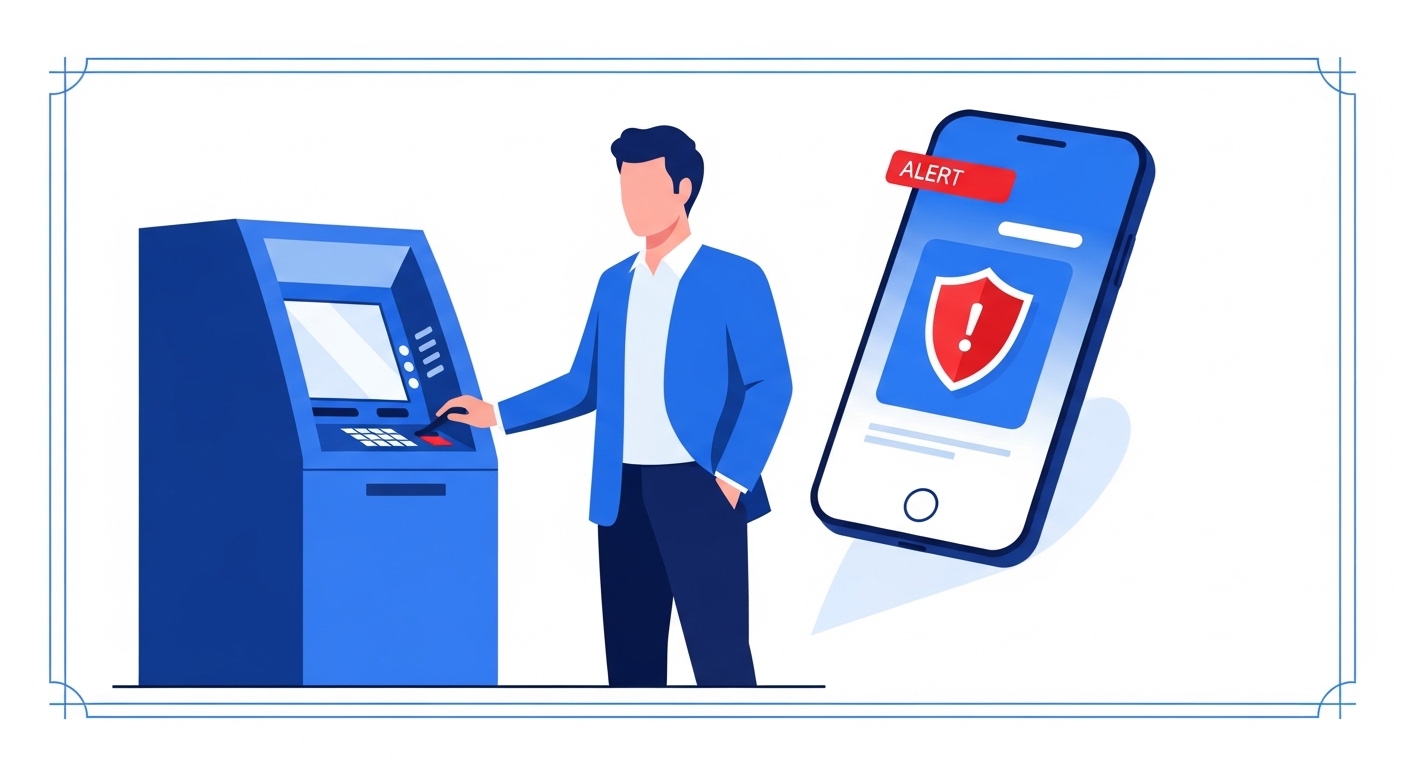
Withdrawing cash from an ATM should be a simple task, but unexpected fees can quickly turn a quick transaction into a costly surprise. These charges often go unnoticed until you review your bank statement, leading to frustration and a lighter wallet. Understanding how these fees work is crucial for managing your money effectively.
This guide will walk you through the various types of ATM withdrawal charges you might encounter in India and explain why banks apply them. You’ll learn practical, step-by-step strategies to identify potential hidden costs and adopt smart habits to avoid them altogether. By the end, you’ll be equipped to use ATMs confidently and keep more of your hard-earned money.
Table of Contents
What Are ATM Withdrawal Charges?
ATM withdrawal charges are fees levied by banks for accessing cash from Automated Teller Machines, regulated by the Reserve Bank of India (RBI). These charges apply when you exceed a set number of free transactions each month, or when you use an ATM belonging to a different bank.
For instance, most banks permit a specific number of free transactions at their own ATMs and a lower number at other bank ATMs each month; exceeding these limits incurs a nominal fee, typically around as per the latest official guidelines per financial transaction and as per the latest official guidelines per non-financial transaction, plus applicable taxes, as per official RBI guidelines (2026). Failing to understand these limits can lead to multiple small deductions that add up over time, impacting your overall savings.
You can always check your bank’s official website or net banking portal for the precise fee structure applicable to your account.
Understanding the fees associated with ATM withdrawals is the first step towards avoiding them. These charges aren’t random; they’re part of the banking system designed to cover operational costs and encourage certain banking behaviours. You’ll find that different situations trigger different types of fees.
Banks levy these charges primarily to cover the expenses of maintaining the ATM network, including machine upkeep, security, electricity, and cash replenishment. They also help to manage the volume of transactions, ensuring that the system isn’t overloaded by excessive small withdrawals. This system encourages customers to use digital payment methods or plan their cash needs more efficiently.
There are several types of fees you might encounter when using an ATM. These can range from charges for exceeding free transaction limits to fees for using an ATM abroad.
Knowing each type helps you anticipate and prevent unexpected deductions from your account. You’re essentially paying for the convenience and accessibility of cash when you exceed the free allowance.
Common Confusion: Free ATM Withdrawals
The misunderstanding here is that all ATM withdrawals are free.
While banks offer a certain number of free transactions each month, exceeding this limit or using ATMs in specific situations will incur charges.
Understanding the Basics
Every bank provides its customers with a certain number of free ATM transactions each month, both at their own ATMs and at other banks’ ATMs. These limits are set by the Reserve Bank of India (RBI) and can vary slightly depending on the location of the ATM (metro vs. non-metro cities). You need to be aware of these specific numbers for your account.
Once you exceed these free limits, your bank will start charging a fee for each subsequent transaction. This fee is usually a fixed amount per transaction and is clearly stated in your bank’s terms and conditions. It’s important to remember that these charges apply to both financial transactions (like cash withdrawals) and non-financial transactions (like balance enquiries).
Why Banks Charge You
Banks invest heavily in their ATM infrastructure, from installing machines to maintaining them and ensuring they’re always stocked with cash. These operational costs are significant, and withdrawal charges help banks recover a portion of these expenses. It’s a way for them to sustain the convenience they offer.
Furthermore, these charges encourage customers to use digital payment methods like UPI or net banking, which are often more cost-effective for banks. By making excessive cash withdrawals subject to a fee, banks subtly nudge you towards adopting newer, more efficient payment technologies. This shift benefits both the banking system and the environment.
Different Types of Fees
You’ll typically encounter a few main types of ATM fees. The most common is the “transaction limit exceeded” fee, which applies after you’ve used up your monthly free withdrawals. There are also charges for using ATMs of other banks, especially if you exceed the specific limit for those.
International ATM withdrawals also come with their own set of fees, often including a foreign exchange markup and a fixed transaction charge. Sometimes, even a declined transaction due to insufficient funds can incur a small fee. It’s vital to be familiar with all these possibilities to avoid surprises.
Pro Tip: Check Your Limits Regularly
Always check your bank’s official website or mobile app for the latest ATM transaction limits and associated fees. These details can sometimes change, and staying informed will save you money.
How Banks Charge for Withdrawals
The way banks apply charges for ATM withdrawals depends heavily on which ATM you use and your transaction history. It’s not a one-size-fits-all approach, and understanding the nuances can help you make smarter choices. Your location and the type of transaction also play a role in determining the final cost.
You’ll find that using your own bank’s ATM is generally the most cost-effective option, offering more free transactions. However, when you step outside your bank’s network, the rules change. International transactions introduce another layer of complexity, often involving foreign exchange rates and additional service charges.
Using Your Own Bank
When you use an ATM belonging to the bank where you hold your account, you usually get the highest number of free transactions. For example, most banks allow five free financial transactions per month at their own ATMs in metro cities, as per the latest official guidelines (2026). This encourages loyalty and convenience for their customers.
Exceeding this limit means you’ll pay a fee for each subsequent withdrawal. These charges are typically lower than those for using another bank’s ATM. Always keep track of your withdrawals to avoid unnecessary costs, especially if you frequently need cash.
Quick Context: Metro vs. Non-Metro Limits
The RBI often differentiates between ATM transaction limits in metro and non-metro cities. Non-metro areas typically offer more free transactions at other bank ATMs to improve open to banking services.
Using Other Banks
Accessing cash from an ATM that doesn’t belong to your bank is often convenient, but it comes with stricter limits. Most banks permit three free financial transactions per month at other bank ATMs in metro cities, and five in non-metro cities, as per official RBI guidelines (2026). Beyond these, charges apply.
The fee for using another bank’s ATM after exceeding your free limit is generally similar to or slightly higher than using your own bank’s ATM. This fee covers the interchange costs between banks. It’s a crucial detail for first-time users to remember when they’re out and about and need cash quickly.
Here’s how you can check your transaction count:
Step 1: Log in to your bank’s mobile banking app or net banking portal. You’ll typically find a section for ‘Account Statements’ or ‘Transaction History’.
Step 2: Review your statement for the current month, specifically looking for ATM withdrawal entries. Each entry will indicate the date, time, and amount, allowing you to count your financial and non-financial transactions.
Step 3: Compare your count against your bank’s official free transaction limits. This will give you a clear picture of how many free withdrawals you have left before charges apply.
Hover to preview each step · Click to pin the details open
International Transactions
Withdrawing cash from an ATM while you're abroad involves a different set of fees. These transactions are generally much more expensive due to currency conversion and international service charges. Your bank will typically charge a foreign transaction fee, which is a percentage of the amount withdrawn.
Additionally, the ATM operator in the foreign country might also levy its own fee. This means you could be paying two separate charges for a single withdrawal. It's always a good idea to inform your bank before travelling internationally to avoid any blocks on your card and to understand the exact fee structure.
| Type of ATM Use | Free Transactions (Metro) | Typical Charge (after free limit) |
| Your Bank's ATM | 5 Financial / Unlimited Non-Financial | ~as per the latest official guidelines Financial / ~as per the latest official guidelines Non-Financial |
| Other Bank's ATM | 3 Financial / Unlimited Non-Financial | ~as per the latest official guidelines Financial / ~as per the latest official guidelines Non-Financial |
| International ATM | Varies by Bank Policy | Higher, includes FX markup + fixed fee |
Declined Transaction Fees
Sometimes, even a transaction that doesn't result in cash can incur a fee. If you attempt to withdraw money but your transaction is declined due to insufficient funds in your account, some banks might levy a small "declined transaction" fee. This is less common but can happen.
This fee is meant to discourage frivolous transaction attempts that strain the banking system. Always check your account balance before attempting a withdrawal to avoid this unexpected charge. It's a simple step that can save you a small, yet annoying, deduction.
Read More
Fees and Charges on Personal LoansHow to Spot Potential Hidden Charges
Hidden charges aren't always obvious; they often appear as small print or subtle messages during your transaction. Being vigilant and knowing what to look for can save you from unexpected deductions. It's about being an informed consumer and understanding your banking relationship.
You'll need to develop a habit of checking your bank's official rules and carefully reading the messages displayed on the ATM screen. Ignoring these details can lead to avoidable costs. Understanding the fine print on your bank statements is also critical for identifying any discrepancies.
Check Your Bank's Rules
Before you even approach an ATM, you should know the specific ATM withdrawal limits and fees for your bank account. These details are readily available on your bank's official website, mobile banking app, or by contacting customer service. Don't assume all banks have the same policy.
Make it a point to review these rules periodically, as banks can update their fee structures. Knowing your free transaction count for the month is the most effective way to prevent charges. You can often track this in your online banking portal.
Pro Tip: Set Up Transaction Alerts
Enable SMS or email alerts for all your bank transactions. This way, you'll immediately know if a fee has been charged and can investigate it promptly.
Read ATM Screen Messages
When you're at an ATM, pay close attention to the messages displayed on the screen, especially before confirming a withdrawal. Some ATMs will explicitly warn you if your transaction will incur a fee, particularly if you're using another bank's machine or exceeding your free limit. Don't rush through these screens.
Look for phrases like "A fee may apply for this transaction" or "You have exceeded your free transaction limit." These are critical indicators that a charge is imminent. Taking an extra moment to read can prevent a costly mistake.
Understand Small Print
The small print on your bank statement or in the terms and conditions often contains crucial information about fees. It's easy to overlook, but it's where banks detail all potential charges. Make it a practice to review your monthly statement for any unfamiliar deductions.
If you spot a charge you don't recognise, don't hesitate to investigate it immediately. Understanding the terms and conditions of your account is your responsibility as a banking customer. This proactive approach helps you catch errors or unexpected fees early.
Common Confusion: ATM Fee Transparency
A widespread myth is that all fees are clearly displayed on the ATM screen.
While some fees are shown, others, like those for exceeding monthly limits, might only be reflected on your bank statement.
Smart Strategies to Avoid Extra Costs
Avoiding ATM withdrawal charges is largely about being strategic and planning your cash needs. With a few simple habits, you can significantly reduce or even eliminate these fees. It's about making conscious choices that align with your bank's policies.
You'll find that simple actions like choosing the right ATM or planning your withdrawals can make a big difference. Exploring alternative ways to get cash can also save you money. These strategies help you to take control of your banking costs.
Always Use Your Bank's ATM
This is arguably the most simple and effective strategy. Your bank offers more free transactions at its own ATMs than at others. By prioritising your bank's machines, you maximise your free withdrawal allowance.
Before heading out, quickly check your bank's mobile app or website for the nearest ATM location. Planning your route to include a stop at your bank's ATM can save you money in the long run. It's a small effort for a clear financial benefit.
Plan Your Cash Needs
Instead of making multiple small withdrawals throughout the month, try to plan and take out a larger sum once or twice. This helps you stay within your free transaction limits. Think about your typical expenses for the week or month and withdraw accordingly.
For example, if you know you need as per the latest official guidelines for various expenses, it's better to withdraw it all at once rather than five separate as per the latest official guidelines withdrawals. This single action minimises the number of transactions, reducing the chance of incurring fees.
Get Cash Back at Shops
Many large retail stores and petrol pumps offer a "cash back" facility when you make a purchase using your debit card. You can pay for your purchase and request an additional amount of cash, which is then added to your bill. This often comes without an extra fee.
This method is incredibly convenient and can be a great alternative to an ATM, especially if you've already exceeded your free withdrawal limits. Always confirm with the merchant if they offer this service and if any charges apply before proceeding. It's a smart way to get cash while you're shopping.
Check Your Account Balance
Regularly checking your account balance before a withdrawal is a simple yet effective habit. This prevents declined transactions due to insufficient funds, which, as mentioned, can sometimes incur a fee. It also helps you manage your spending better.
You can check your balance through your bank's mobile app, net banking portal, or even at an ATM (though balance enquiries might count towards non-financial transaction limits). Knowing your balance ensures your withdrawal attempts are successful and free of unexpected charges.
What to Do If You See Unexpected Charges
Even with the best planning, you might occasionally spot an unexpected charge on your bank statement. Don't panic, but don't ignore it either. Taking immediate and correct action is crucial to resolving the issue and potentially recovering your money.
You have consumer rights, and banks have procedures in place for addressing such discrepancies. The key is to act quickly and methodically. Understanding the steps involved will help you to challenge any unfair or incorrect deductions.
Carefully Review Your Statement
The first step is to thoroughly review your bank statement to identify the exact date, time, and description of the unexpected charge. Look for specific transaction IDs or reference numbers. This detailed information will be essential when you contact your bank.
Highlight the disputed charge and gather any supporting evidence, such as ATM slips if you kept them. A clear understanding of the disputed transaction helps your bank investigate efficiently. It's your responsibility to provide as much detail as possible.
Contact Your Bank Immediately
Once you've identified the charge, contact your bank's customer service department without delay. You can do this through their toll-free number, email, or by visiting a branch. Explain the situation clearly, providing all the details you gathered from your statement.
Be polite but firm, and request a detailed explanation for the charge. If you believe it's an error, clearly state your case. Banks are generally responsive to customer queries, and most issues can be resolved through their internal grievance redressal mechanism.
Step 1: Locate the specific charge on your bank statement. Note down the date, amount, and transaction description.
Step 2: Call your bank's customer care number, available on their official website or on the back of your debit card. Be ready to provide your account details.
Step 3: Clearly explain that you've identified an unexpected ATM withdrawal charge and provide the details you noted. Ask for an explanation and how to dispute it.
Step 4: Follow any instructions given by the customer service representative, such as submitting a formal complaint via email or visiting a branch. Keep a record of your complaint reference number.
Step 5: If the issue isn't resolved within the stipulated time, you can escalate it. Most banks have an internal escalation matrix, often involving a Nodal Officer.
Hover to preview each step · Click to pin the details open
Know Your Consumer Rights
As a bank customer, you have specific rights regarding charges and services. The Reserve Bank of India (RBI) oversees banking operations and has established guidelines for consumer protection. If your bank is unresponsive or you're dissatisfied with their resolution, you can escalate the matter.
You can file a complaint with the RBI's Integrated Ombudsman Scheme, which provides a cost-free and expeditious redressal mechanism for customer complaints against regulated entities. This is a powerful tool to ensure fair treatment. Knowing this option gives you use in resolving disputes.
Pro Tip: Document Everything
Keep a record of all communication with your bank, including dates, names of representatives, and complaint reference numbers. This documentation is vital if you need to escalate your complaint.
Key Tips for Cost-Free ATM Use
Mastering cost-free ATM use boils down to a few key principles: awareness, planning, and using available options. By incorporating these tips into your routine, you can confidently withdraw cash without the worry of hidden charges. It's about being smart with your money.
You'll find that these simple strategies not only save you money but also encourage better financial habits. From understanding your limits to being mindful of your travel plans, each tip contributes to a more economical banking experience. Take charge of your ATM transactions.
Know Your Daily Limits
Beyond the monthly free transaction limits, every bank imposes a daily withdrawal limit on your debit card. This limit is set for security reasons and varies between banks and account types. For example, many banks set daily ATM withdrawal limits between as per the latest official guidelines and as per the latest official guidelines as per official RBI guidelines (2026), though premium accounts might have higher limits.
Knowing your specific daily limit helps you plan larger withdrawals efficiently, ensuring you don't make multiple trips to the ATM over several days, which could trigger monthly transaction fees. You can find this information on your bank's website or by contacting customer service.
Common Confusion: Daily Withdrawal Limits
Daily withdrawal limits only matter if you withdraw large amounts of cash.
Even small, frequent withdrawals can quickly exceed your monthly free transaction limits, leading to accumulated charges over time.
Maintain Minimum Balance
Some bank accounts, particularly savings accounts, require you to maintain a minimum average balance. If your balance falls below this threshold, the bank may levy a penalty fee. While not a direct ATM withdrawal charge, frequent withdrawals that deplete your account could indirectly lead to this penalty.
Always be mindful of your account balance, especially if you have a minimum balance requirement. Ensure your withdrawals don't push your balance below this critical level. This ensures you avoid both ATM fees and minimum balance penalties.
Be Aware of Travel Charges
When travelling, especially to different states or regions within India, be aware that your open to your own bank's ATMs might be limited. This could force you to use other bank ATMs more frequently, potentially exceeding your free transaction limits faster. Plan accordingly by withdrawing sufficient cash before you travel or identifying your bank's ATM locations in your destination.
For international travel, the charges are significantly higher, as discussed earlier. Consider using credit cards for purchases (checking foreign transaction fees) or pre-paid travel cards as alternatives to frequent international ATM withdrawals. These options can often be more cost-effective than repeatedly drawing cash abroad.
Conclusion
Avoiding hidden charges on ATM withdrawals is entirely achievable with a bit of awareness and planning. By knowing your bank's specific rules, paying attention to ATM screen messages, and adopting smart withdrawal habits, you can keep your banking costs to a minimum.
Making it a habit to check your bank's official limits monthly will ensure you're always informed. This proactive approach not only saves you money but also builds confidence in managing your finances effectively.
Author